
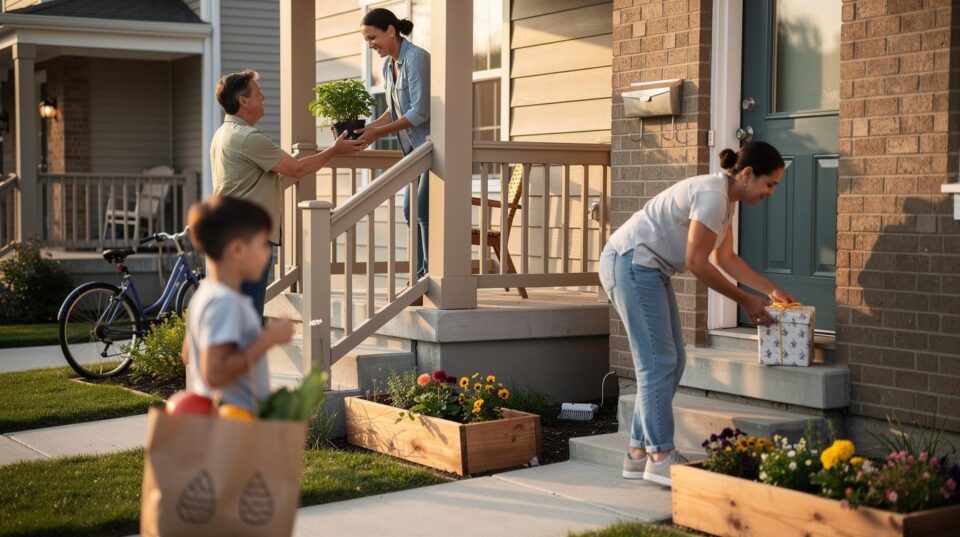
Neighborly acts don’t require grand gestures. A borrowed tool, a shared meal, or simply checking in on someone next door can spark real change in your community.
At Global Positive News Network, we’ve seen how these small actions ripple outward, strengthening bonds between neighbors and revitalizing entire blocks. This blog post shows you exactly how it works and where to start.
How Kindness Creates Networks That Actually Work
Neighbor-to-neighbor support networks form through repeated, practical exchanges rather than sentiment alone. When someone lends tools, shares produce from a garden, or watches a neighbor’s home while they’re away, trust accumulates. Research from Cohen and colleagues in 2000 found that communities form around shared values and engagement acts as social integration that shapes wellbeing. This means every small interaction counts toward something larger.
The most effective support networks activate when one person takes the first step. You check on an elderly neighbor. That neighbor mentions a leaky faucet. You know a plumber. Suddenly, practical help flows both ways.
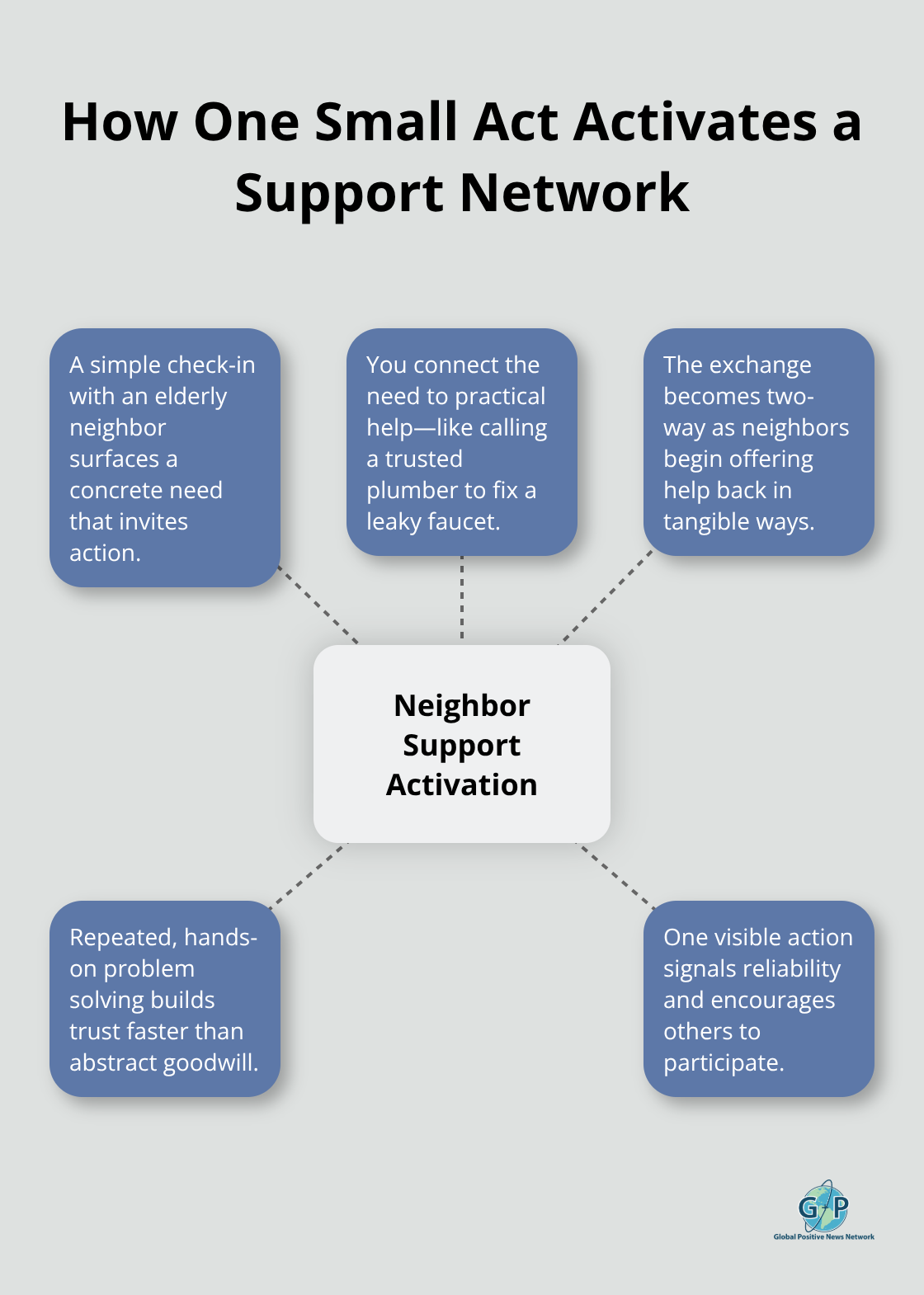
Networks activate through specific, tangible exchanges rather than vague goodwill.
Visibility and Usefulness Drive Participation
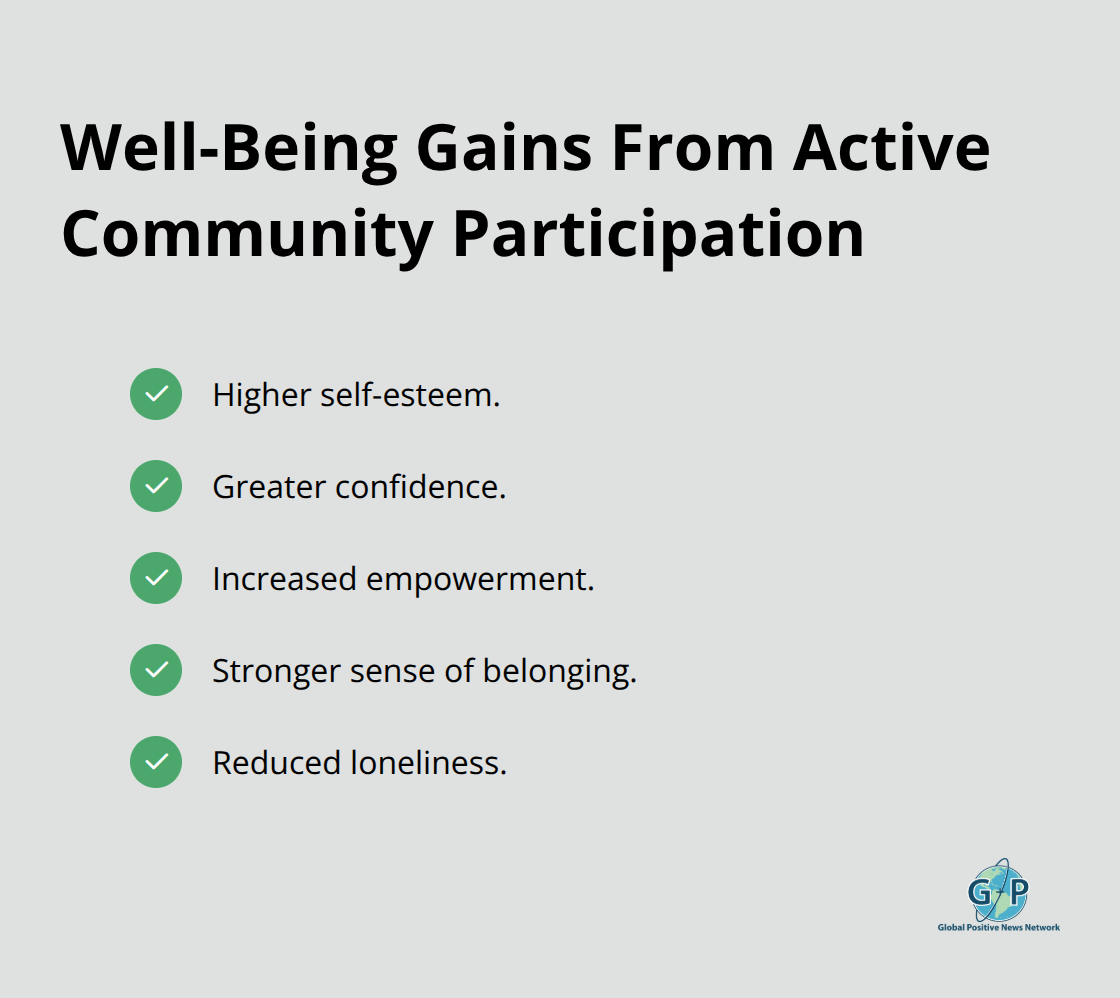
When you involve yourself in daily neighborhood interactions, neighbors see you as visible and useful. Studies show that active community participation correlates with higher self-esteem, confidence, empowerment, and belonging while reducing loneliness. Consistency matters significantly here. Showing up to the same community space weekly or monthly creates measurable psychological benefits for everyone involved.
The person who attends the neighborhood clean-up every Saturday becomes the person neighbors trust and approach with problems.
Trust Emerges From Solving Real Problems
Trust emerges when people see you solving real problems, not when you talk about community values. If your neighborhood has a food desert, starting a community garden or a local food-sharing group demonstrates commitment immediately. The EPA’s Local Foods Local Places program has assisted over 125 communities to develop local food enterprises like farmers markets and co-ops. In Corbin, Kentucky, a local foods-driven downtown revitalization reduced vacant storefronts from 40 percent to just 5 percent. This happened because people took action around something everyone needed-access to food.
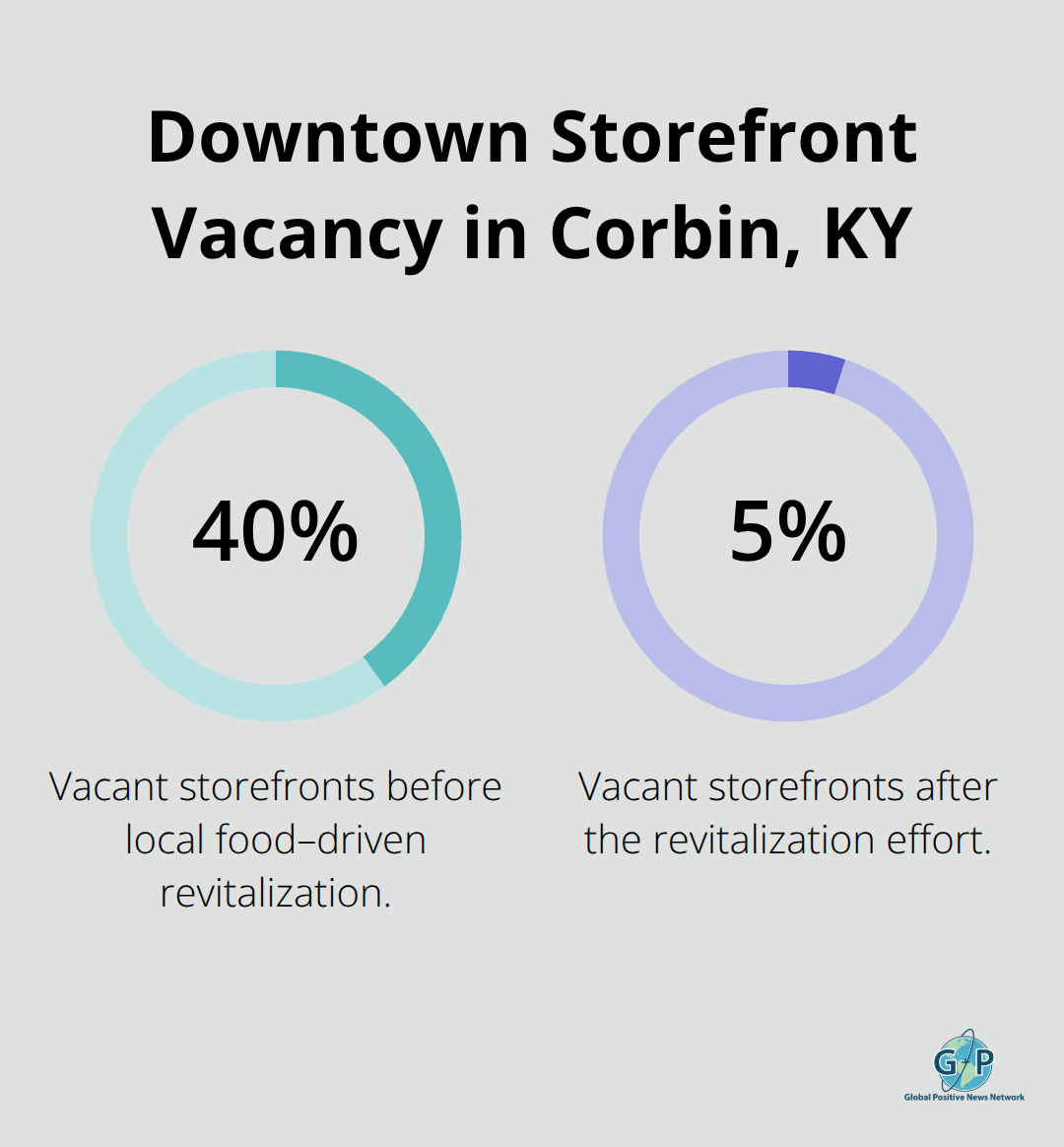
When neighbors see that result, they trust the network and participate.
Social bonds strengthen fastest when people work toward a shared goal. Group cooperation drives progress because collaboration amplifies individual effort. You cannot revitalize a neighborhood alone, but five committed neighbors can inspire twenty more. The cascading effect occurs when people see others taking action and feel motivated to contribute themselves.
Specificity Determines Success
Vague community improvement projects fail. Specific ones work. Instead of saying you want to strengthen your neighborhood, identify one concrete problem: food insecurity, poor street lighting, isolation among seniors, or lack of safe play spaces for children. Choose something you can address with five to ten neighbors and basic resources. Then recruit people who care about that specific issue.
Social media effectively raises awareness for local causes and recruits volunteers. The network grows because people join around something tangible, not a general idea. Volunteer Match offers a searchable database where you can find opportunities by cause, skills, and format (virtual or in-person involvement). This tool helps neighbors discover ways to participate that match their availability and interests.
Once your network is active around one issue, it naturally expands into other areas. A neighborhood clean-up day leads to friendships, which lead to a book club, which lead to a tool-sharing system. Small actions scale into mentorship programs, educational workshops, and community resource centers over time. These networks demonstrate that scalable models emerge from neighborhoods that started small and stayed focused on practical results.
These networks don’t remain isolated to single neighborhoods. As your support system strengthens, practical examples of what works spread to adjacent blocks and inspire similar initiatives elsewhere. The next section shows exactly which neighborhood initiatives produce the fastest, most visible results.
What Neighborhood Initiatives Actually Produce Results
Community Gardens Address Food Insecurity and Build Relationships
Community gardens work because they solve two problems simultaneously: they address food insecurity and create a reason for neighbors to show up regularly. In major cities, urban agriculture contributes 15 to 20 percent of the global food supply. Urban gardens in food-insecure neighborhoods provide fresh produce while reducing transportation emissions and building neighborhood connections. Start with a single raised bed in an available lot or organize a container garden on apartment building rooftops. The physical act of planting, weeding, and harvesting together builds relationships faster than any community meeting.
One neighbor brings seeds. Another contributes compost. A third handles watering during summer heat. Within weeks, the garden becomes the neighborhood’s informal gathering point. Food sharing networks extend this model further (connecting households that grow surplus vegetables, preserve jams, or raise eggs). These systems require a simple communication tool-a neighborhood Facebook group, a physical bulletin board, or a shared spreadsheet-where people post what they have and what they need.
Mutual Aid Groups Formalize Food Exchange
Mutual aid groups formalize this exchange through regular swaps or coordinated bulk purchases that reduce costs for everyone. Yard work, food, and childcare create the foundation for stronger neighborhoods. These groups operate on trust and reciprocity rather than charity, which means participants feel agency rather than dependence.
Neighborhood Safety Programs Shift From Surveillance to Presence
Neighborhood safety programs succeed when they shift from surveillance to presence. A neighborhood watch that simply reports crime creates fear and division. One that organizes visible foot traffic and casual social connection actually deters crime because criminals avoid areas where people know each other. Neighborhoods with active volunteer cultures show measurably higher resident satisfaction and better outcomes for vulnerable populations.
Start with scheduled neighborhood walks where residents move through streets together, making the area visibly occupied. Progress to organized evening activities-outdoor movie nights, sidewalk chalk art sessions, or porch sitting hours-that normalize people being outside and aware. These gatherings feel social rather than security-focused, which means participation stays high.
Consistency Deepens Trust and Information Sharing
The consistency matters significantly here: regular involvement in meetings and events deepens trust and connection. When neighbors see the same faces weekly, trust deepens and actual information sharing happens naturally. Someone mentions a suspicious package. Another shares that their car was broken into. A third suggests better lighting near the park. Solutions emerge from conversation, not bureaucracy.
Formal safety training helps if your group wants structured education, but the foundation of effective neighborhood safety is simply people being present and knowing each other well enough to notice when something feels wrong. This presence-based approach transforms how neighbors perceive their streets and each other. As these initiatives take root and neighbors experience tangible results, the question shifts from whether small gestures work to how you measure their impact across your community.
Measuring the Real Impact of Your Neighborhood Initiative
Participation consistency separates neighborhood initiatives that fade from those that sustain momentum. The most effective metric is who shows up regularly, not total attendance at single events. Neighborhood clean-up days that attract fifty people once prove nothing. A weekly community garden that keeps eight to twelve people engaged every Saturday proves everything. Track who participates regularly over three months. If the same faces appear consistently, your initiative creates real connection. If attendance drops after week two, you need to adjust what you’re offering or how you’re communicating the value. Consistent engagement builds healthier relationships and fosters ongoing collective action within communities. Measure this directly: count regular participants, ask them specifically what keeps them coming back, and adjust based on their answers rather than assumptions about what community members want.
Mental Health Improvements Matter More Than Attendance Numbers
Active community participation correlates with higher self-esteem, confidence, empowerment, and belonging while reducing loneliness. Ask participants directly: Do you feel more connected to neighbors than six months ago? Do you experience less anxiety about neighborhood safety? Do you have at least three neighbors you’d call in an emergency? These questions reveal whether your initiative actually improves mental health. Survey five regular participants monthly and track their responses. When numbers shift from isolated to connected, you’ve created real impact. Declining mental health metrics signal that your initiative isn’t meeting emotional needs, even if attendance stays high.
Economic Activity Accelerates When Neighbors Spend Locally
Neighborhood initiatives generate measurable economic benefits when they shift spending toward local businesses and reduce external costs. Community gardens reduce household food expenses while eliminating transportation costs for fresh produce. Food-sharing networks lower individual grocery bills through bulk purchasing and seed sharing. Track local spending: survey participants about how much they now purchase from neighborhood businesses compared to six months prior. Count new local businesses that opened near your initiative. Calculate food costs saved through community gardens or sharing networks. These concrete numbers demonstrate economic revival that extends beyond your immediate group to benefit the entire neighborhood through property value increases and new job creation.
Final Thoughts
The evidence proves that small actions create measurable neighborhood change. When neighbors consistently show up for each other through practical support, community gardens, safety initiatives, and mutual aid, entire blocks transform. Corbin, Kentucky reduced storefront vacancy from 40 percent to 5 percent through local food initiatives, and regular participants in community activities report higher self-esteem, stronger belonging, and reduced loneliness.
Starting your own neighborhood project requires one decision: identify a specific problem your neighbors actually face. Food insecurity, isolation among seniors, poor street lighting, or lack of safe gathering spaces all respond to neighborly acts that begin small. A single raised garden bed works better than planning a massive community garden that never launches, and a weekly porch-sitting hour works better than organizing a formal neighborhood association. Use tools that already exist-Volunteer Match connects you with opportunities, social media groups reach neighbors instantly, and a shared spreadsheet tracks food swaps or tool lending without complicated systems.
Your neighborhood garden becomes a gathering point, that gathering point becomes friendships, and those friendships expand into mentorship programs, skill-sharing workshops, and resource centers. Neighborhoods that started with one person checking on an elderly neighbor now have active networks supporting dozens of families. Neighborhood revival happens through action, not waiting, and your neighborhood needs you to start now.
Having a hard day?
The 2 Minute Hope Reset is a short free guide with three small practices for the days that feel heavy. Two minutes each, nothing to keep up with.
Get the free guideExplore more positive news:
Enjoying stories like this?
Global Positive News Network is reader-supported. If you’d like to support the mission, you can visit the Official GPNN store.