

Bravery isn’t reserved for heroes in movies or history books. At Global Positive News Network, we believe courage moments happen in your daily life-when you speak up in a meeting, change careers, or support someone at personal cost.
These everyday acts of bravery shape who you become and influence those around you. This post shows you what brave choices actually look like and how to start making them.
What Makes a Brave Choice Real
A brave choice isn’t about feeling fearless or having all the answers before you act. It’s about moving forward despite legitimate fear and uncertainty. The distinction matters because it means bravery is accessible to you right now, not something you need to wait to develop. When you speak up in a meeting where your opinion differs from your boss’s view, you’re being brave even if your hands shake. When you leave a stable job for one that aligns with your values, you’re brave even though the income might dip initially. The courage lies in the action despite the discomfort, not in the absence of discomfort.
Fear and Action Coexist
Real brave choices involve what psychologists call approach behavior: you move toward something difficult rather than away from it. This means anxiety doesn’t disqualify you from being brave. In fact, research shows that people who experience anxiety and act anyway demonstrate more resilience than those without anxiety. Your nervous system will likely activate when you make a brave choice. That activation is your body preparing you for something important, not a sign you should stop. The practical implication is straightforward: don’t wait until you feel confident or calm. Confident people make brave choices, but so do nervous people who decide their values matter more than their comfort level.
Identify Your Specific Belief
Start with one specific belief you hold that you’ve been reluctant to voice. Write down exactly what you’d say and to whom. The clarity matters because vague intentions rarely translate to action. This written exercise forces you to move from abstract worry to concrete words. You’ll notice which beliefs feel most urgent when you see them on paper. That urgency signals where your courage needs to show up first.
Conviction Requires Knowing What Matters
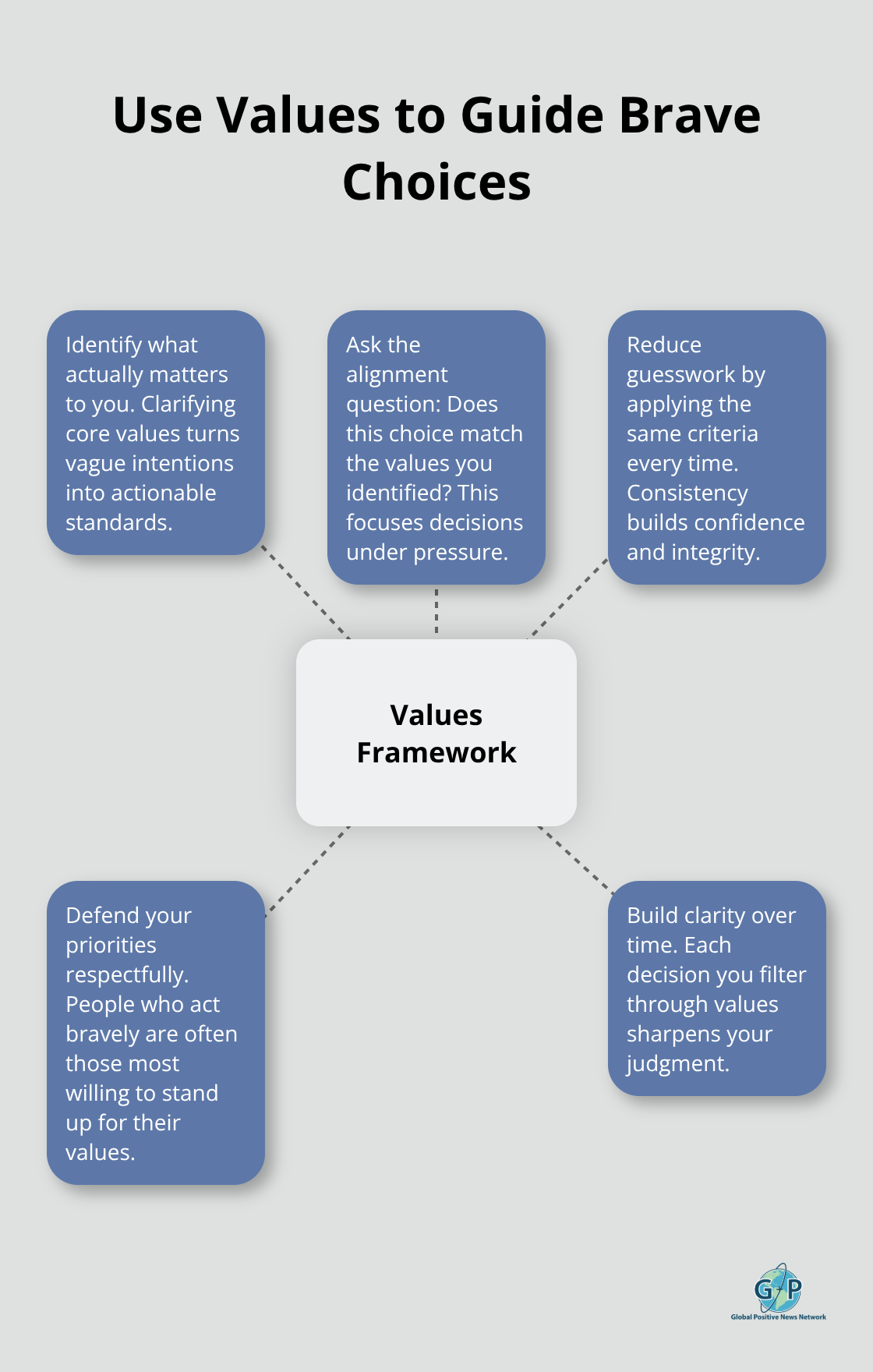
You can’t act on conviction if you haven’t identified what actually matters to you. This isn’t abstract soul-searching. Sit down and list three situations from the past month where you felt frustrated or resentful. What value was being violated in each situation? If you felt frustrated when someone took credit for your work, fairness and recognition matter to you. If you felt resentful when a friend canceled plans repeatedly, reliability and respect matter to you. These patterns reveal your operating values (the ones that actually drive your decisions, not the ones you think you should have).
Use Values as Your Decision Framework
Once you know your values, brave choices become clearer because you have a decision-making framework. When opportunity or conflict arises, you ask: does this align with what I’ve identified as important? This removes the guesswork. People who make consistent brave choices aren’t more naturally courageous; they’re clearer about their values and willing to defend them.
That clarity is something you can build starting today. The next section shows you how to recognize when a brave choice is actually calling for your attention.
Where Brave Choices Show Up
The gap between knowing your values and acting on them is where most people get stuck. Speaking truth in a difficult conversation feels terrifying because the relationship might shift. You could lose respect, create tension, or damage trust. Yet staying silent corrects nothing and breeds resentment that compounds over time.
Speaking Up When It Matters
A manager at a tech company noticed her team was burning out from unrealistic deadlines, but she stayed quiet for months because she worried challenging leadership would mark her as difficult. When she finally documented the impact on productivity and presented it to her director, the conversation was uncomfortable. Her director initially became defensive. But within weeks, the company adjusted timelines and implemented better planning processes. The brave choice wasn’t the conversation itself; it was the decision to speak despite the real possibility of rejection.
Changing Careers for Alignment
Career changes follow similar logic. According to Pew Research Center data from 2024, 35 percent of workers have changed jobs specifically to improve their mental health and align work with personal values. These people didn’t have certainty about their next role. Many took pay cuts. Some faced months of job searching.
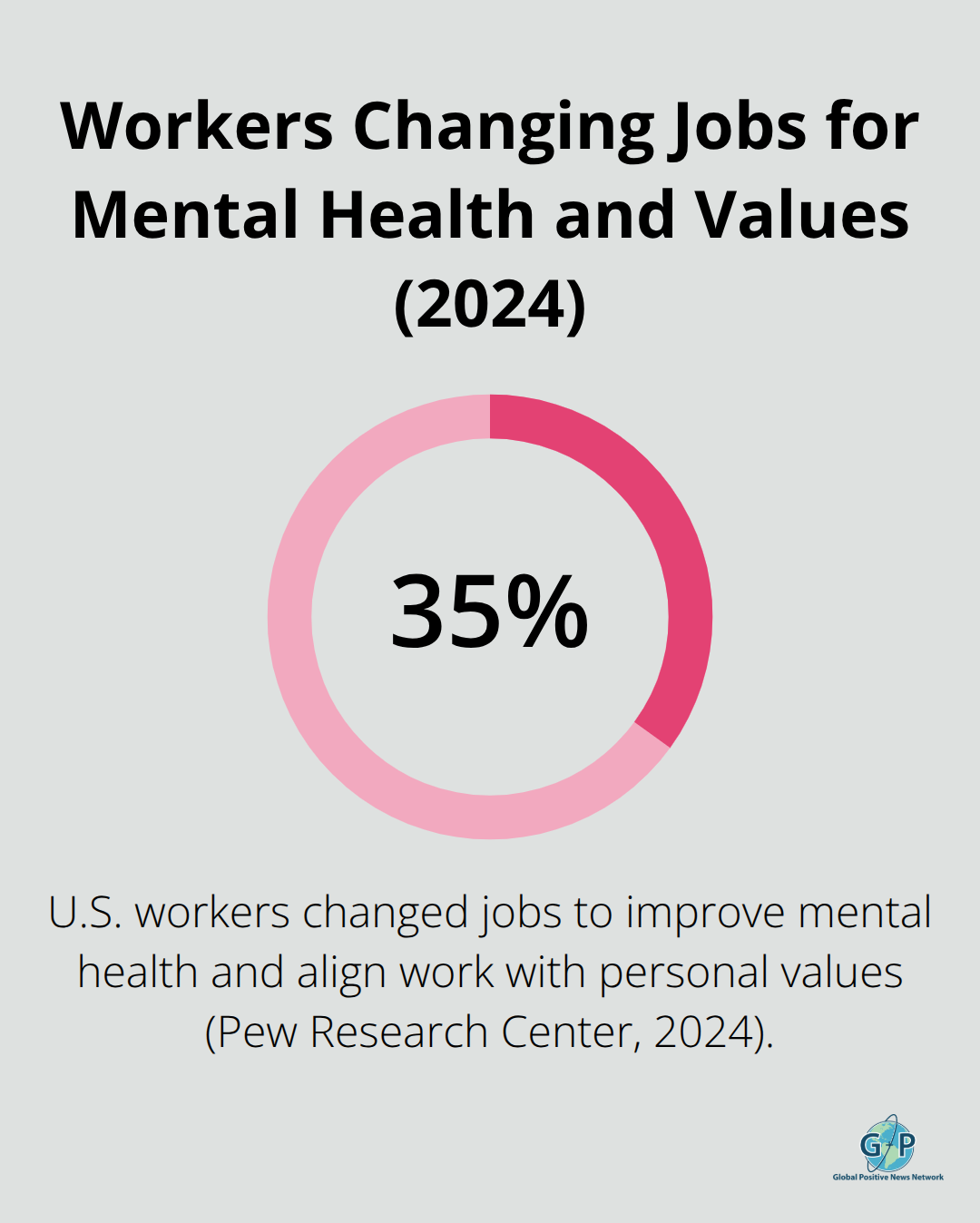
They made the brave choice anyway because staying in misaligned work was slowly eroding who they were.
The practical step here is naming the specific cost you’re willing to pay. If you’re considering a career shift, write down what outcome would make the risk worth it. Is it fewer hours, work that matches your values, better relationships with colleagues, or creative fulfillment? Knowing your threshold for acceptable cost removes decision paralysis.
Supporting Others at Personal Cost
Supporting others when it costs you something reveals bravery in its most concrete form. This might mean standing up for a coworker in a meeting when doing so could paint you as difficult, or spending time with a struggling friend when your own schedule is packed, or speaking against a family narrative that harms someone you care about. These acts cost attention, social capital, or emotional energy.
According to research from the Greater Good Science Center at UC Berkeley, people who engage in acts of compassion and support experience measurable improvements in their own mental health and sense of purpose, despite the personal cost. The brave choice isn’t about martyrdom; it’s about accepting that helping someone matters more than protecting your comfort or reputation in that moment.
Take Action This Week
Identify one person in your life whose situation you could improve with direct action or honest words. Not someday. This week. Notice what resistance comes up. That resistance usually signals where your brave choice is waiting. The next section shows you how to build these moments into a consistent pattern rather than isolated incidents.
Building Brave Choices Into Your Life
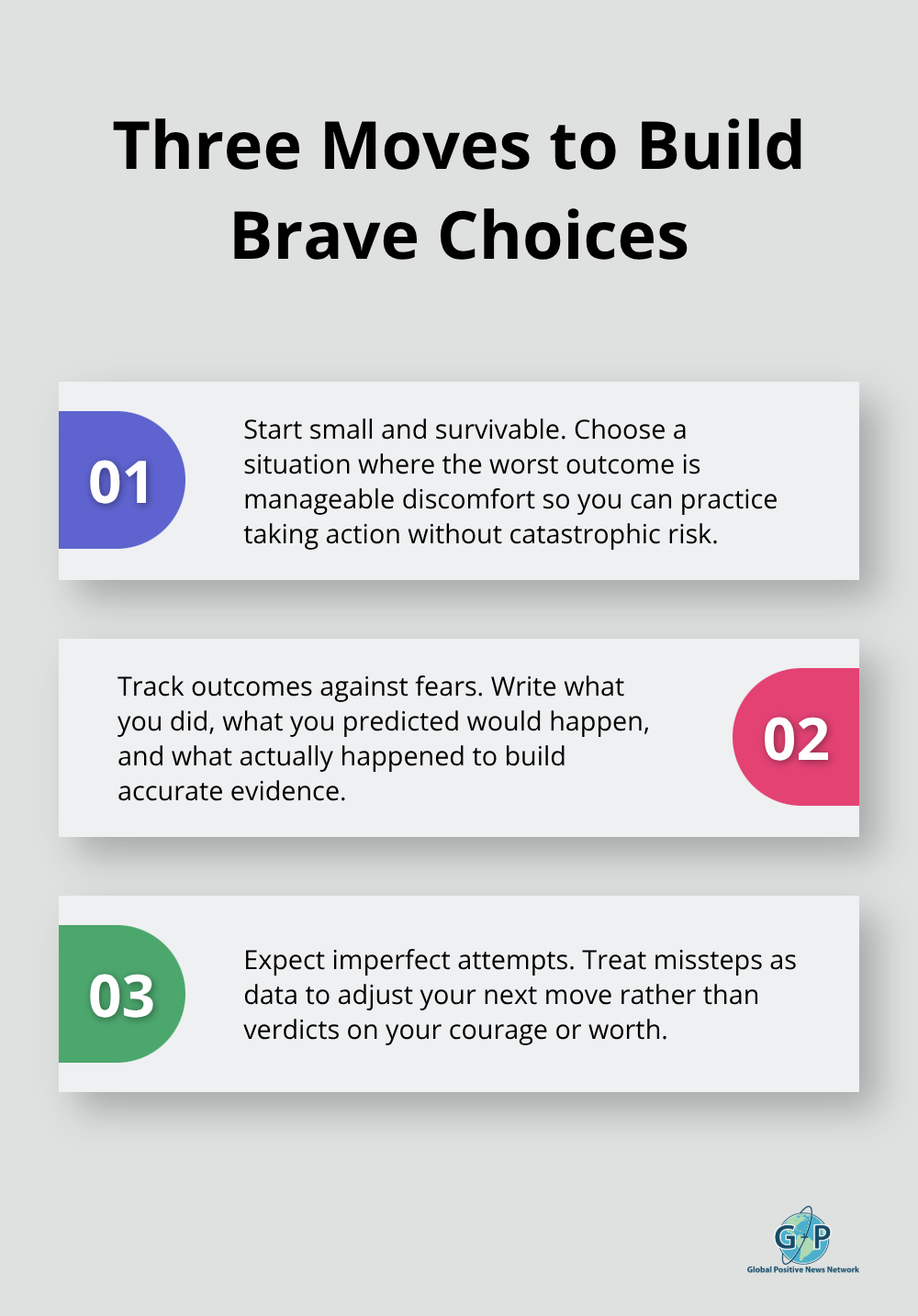
Your values are now clear, but clarity alone doesn’t create change. The gap between knowing what matters and acting on it widens every day you don’t bridge it. The practical path forward involves three concrete moves: start with situations small enough that failure won’t devastate you, track what happens when you act, and expect that some attempts will go badly. None of this requires waiting for the right moment or perfect conditions.
A software engineer at a mid-size company spent two years frustrated by meetings that wasted her time but stayed silent because speaking up felt risky. When she finally voiced a suggestion to consolidate weekly check-ins, the response was neutral-neither the breakthrough she hoped for nor the disaster she feared. That neutrality mattered because it proved her catastrophic prediction wrong. Her next suggestion came faster. Within three months, she’d reshaped how her team communicated. She didn’t become more naturally confident; she accumulated evidence that her fears were overblown. This is how brave choices build momentum.
Start with low-stakes situations
Start with situations where the worst outcome is manageable discomfort rather than job loss or relationship rupture. Choose a situation where you’ve felt frustrated or resentful multiple times, where speaking or acting aligns with your identified values, and where the stakes feel real but not catastrophic. If you value fairness and a colleague regularly takes credit for team ideas, that’s your target. If you value honesty and someone close to you consistently cancels plans without explanation, that’s worth addressing.
Write down exactly what you’ll say or do, then set a deadline within the next two weeks. Vague intentions like “I’ll speak up eventually” dissolve under pressure. Specific plans with dates get executed. Track what actually happens versus what you feared would happen.
Evidence builds confidence
Your nervous system believes the evidence you gather through repeated small actions far more than it believes reassurance. Each time you act despite fear and survive the outcome, your brain files that away. The second brave choice feels slightly less terrifying because you’ve proven you can handle discomfort. The third feels easier still. This pattern repeats because you’re not fighting your biology; you’re working with it. Fear doesn’t disappear, but your track record of surviving discomfort makes the fear less persuasive.
Failure Teaches What Success Cannot
The instinct to avoid failure paralyzes most people considering brave choices. But failure at a brave choice teaches you something success cannot: that you’re resilient enough to handle rejection, disappointment, or awkwardness and still move forward. A manager who finally told her boss she needed flexibility for caregiving responsibilities faced an immediate no. She felt devastated. But she didn’t quit; she adjusted her approach and found a different arrangement three months later.
The rejection didn’t break her because she’d already survived the scariest part-speaking the need aloud. The follow-up conversation felt easier because the worst had already happened and she was still standing. This is what separates people who make consistent brave choices from those who make them once and never again. They expect some attempts to fail and they build their strategy around learning from failure rather than being derailed by it.
Interpret Outcomes as Data, Not Verdicts
When your first brave choice produces a disappointing outcome, you face two options: interpret it as proof that brave choices don’t work and retreat to silence, or interpret it as data that tells you something about that particular situation and adjust for the next one. The second interpretation builds momentum. The first locks you back into autopilot. Each failed attempt contains information about what didn’t work in that specific context-not information about your capacity for bravery or your worth as a person.
Final Thoughts
Bravery doesn’t announce itself with fanfare or require you to quit your job, end relationships, or make dramatic public statements. Courage moments that actually reshape your life happen quietly, in conversations you almost didn’t have and decisions you almost postponed. You speak up in a meeting despite your voice wavering, tell someone the truth they need to hear, or support a friend when helping costs you sleep or energy.
Your everyday choices ripple outward in ways you won’t immediately see. When you speak your truth, you give others permission to do the same. When you support someone at personal cost, you show them what loyalty actually looks like. When you act on your values despite fear, you prove to yourself that you’re capable of more than you believed.
You’ve identified what matters to you, seen how brave choices show up in real situations, and learned that momentum builds through small, repeated actions. Pick the situation that’s been nagging at you-the one where your values are being violated and silence has become unbearable. Write down what you’ll say or do, set a deadline within the next two weeks, and act despite the fear. Visit Global Positive News Network to find more stories of personal triumphs and acts of kindness that inspire brave choices in everyday life.
Having a hard day?
The 2 Minute Hope Reset is a short free guide with three small practices for the days that feel heavy. Two minutes each, nothing to keep up with.
Get the free guideExplore more positive news:
Enjoying stories like this?
Global Positive News Network is reader-supported. If you’d like to support the mission, you can visit the Official GPNN store.