
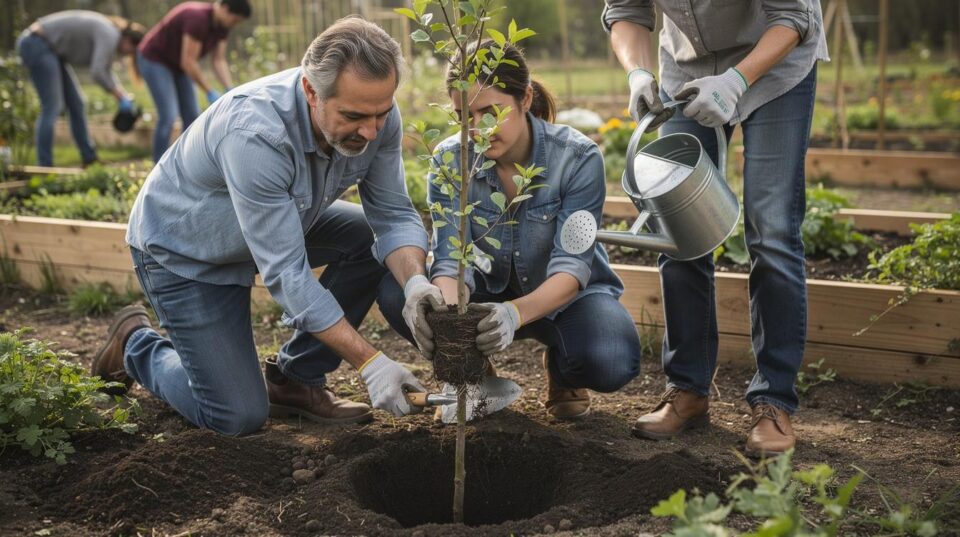
Kindness isn’t a luxury-it’s a necessity. When we practice service in our daily lives, we create real change in our communities and in ourselves.
At Global Positive News Network, we’ve seen how inspiration through service transforms both individuals and the people around them. This blog post shows you exactly how to start.
How Acts of Kindness Transform Communities
Real Examples of Community Impact
Communities transform when people move from passive observation to active service. The evidence is concrete. Research shows that people who volunteer regularly report higher life satisfaction and experience lower rates of depression. More importantly, their neighborhoods see measurable improvements. In Philadelphia, volunteer engagement has been documented to create positive community effects. These aren’t abstract benefits-they translate directly into people feeling safer, more connected, and more invested in where they live.
Real service creates real momentum. When one person organizes a community garden, others join. When someone starts visiting elderly neighbors, their friends begin doing the same. A food bank volunteer in Denver reported that after she started recruiting friends, the organization’s capacity increased from serving 200 families weekly to 540 families-a 170% jump driven entirely by personal relationships and visible impact. The volunteers didn’t need incentives or formal recruitment campaigns. They saw the work happening and wanted to be part of it.
Personal Growth Through Service
Personal growth follows service naturally. Volunteers engaged in consistent community service show measurable improvements in emotional resilience, decision-making abilities, and interpersonal skills. Volunteers develop stronger problem-solving abilities because they face real challenges-not theoretical ones. Someone serving at a homeless shelter learns negotiation, empathy, and resource management faster than any training program could teach.
The people receiving help also grow. Recipients of consistent community support show improved health outcomes. This mutual transformation-where both volunteers and recipients experience real change-reveals why service matters so deeply.
How Kindness Spreads Beyond Initial Action
The transformation doesn’t stop with individual growth. When communities experience consistent acts of service, something shifts in how people relate to one another and their shared spaces. This foundation of trust and connection creates the conditions for something even more powerful to emerge.
Simple Ways to Practice Kindness Daily
Start With Concentrated Action
The gap between wanting to help and actually helping comes down to one thing: starting with actions so small they feel effortless. A 2019 study from the University of British Columbia found that people who performed five acts of kindness in a single day reported increased happiness, but spreading those same acts across the week produced no measurable benefit. This tells us something important: concentration matters more than frequency.
Pick one day each week and commit three specific actions. Visit an elderly neighbor for 15 minutes. Buy groceries for someone struggling financially. Shovel snow or rake leaves for a neighbor without asking. The specificity prevents decision fatigue from stopping you before you start. Most people fail at kindness not because they lack compassion but because they frame it too broadly. Instead of thinking about helping your community, think about helping Mrs. Chen down the street on Thursday at 2 PM. That specificity transforms good intentions into actual behavior.
Attach Kindness to What You Already Do
Building kindness into your existing routine removes the friction that kills most commitments. If you already commute to work, volunteer at a shelter on your route one morning monthly. If you grocery shop weekly, buy extra items for a local food bank. If you walk your dog daily, use that time to check on isolated neighbors.
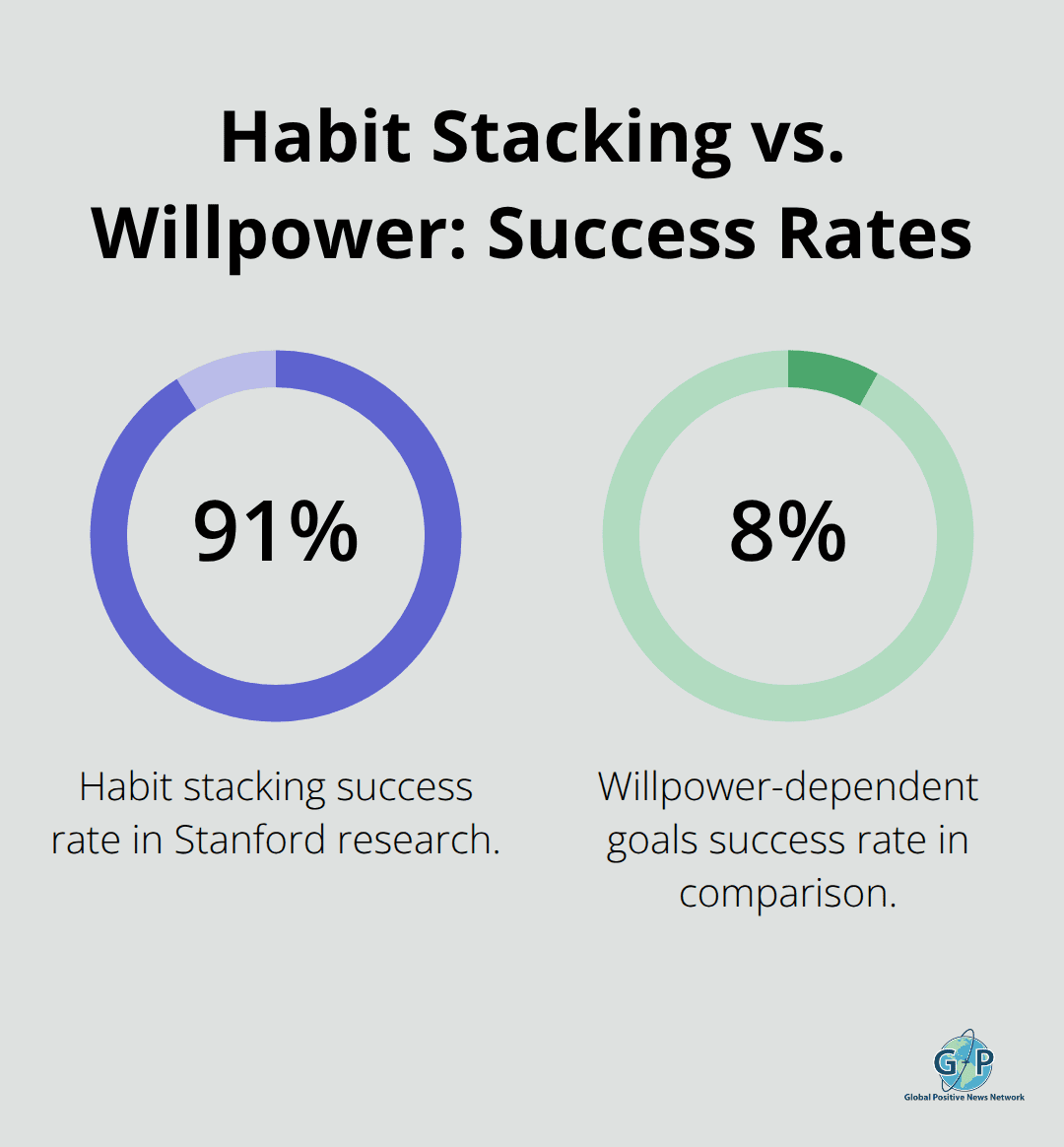
Research from Stanford University shows that habit stacking-attaching new behaviors to established ones-has a 91% success rate compared to willpower-dependent goals at 8%. The real barrier isn’t time or resources; it’s that people treat kindness like a separate project requiring special circumstances. It isn’t.
Your ordinary schedule already contains dozens of opportunities waiting for you to redirect them toward service.
Recognize the Time You Already Have
Someone might tell you they cannot volunteer because life is too hectic. That person likely has a morning routine, a commute, or evening hours. The question isn’t whether time exists; it’s whether you’ll claim part of what you already have. The resistance you feel doesn’t come from scarcity-it comes from waiting for the perfect moment that never arrives. Once you stop treating kindness as something that requires ideal conditions, you start seeing how your regular life already provides the framework you need.
How Kindness Spreads Beyond Your Immediate Circle
One act of kindness doesn’t end with the person who receives it. Research from the University of California found that when someone experiences help, they’re 256% more likely to help someone else within the next week. This isn’t coincidence-it’s measurable behavioral change. A volunteer at a food bank in Austin discovered this firsthand. After receiving help during a financial crisis, she started volunteering at the same organization. Within six months, she’d recruited eight friends. Those eight friends brought their families. The initial act of service created a chain reaction that expanded the organization’s volunteer base by 340% over two years. The multiplication happened because people who experience genuine support develop a concrete understanding of what help actually means. They stop seeing service as abstract charity and start seeing it as something that saved them or changed their situation.
The Architecture of Lasting Change
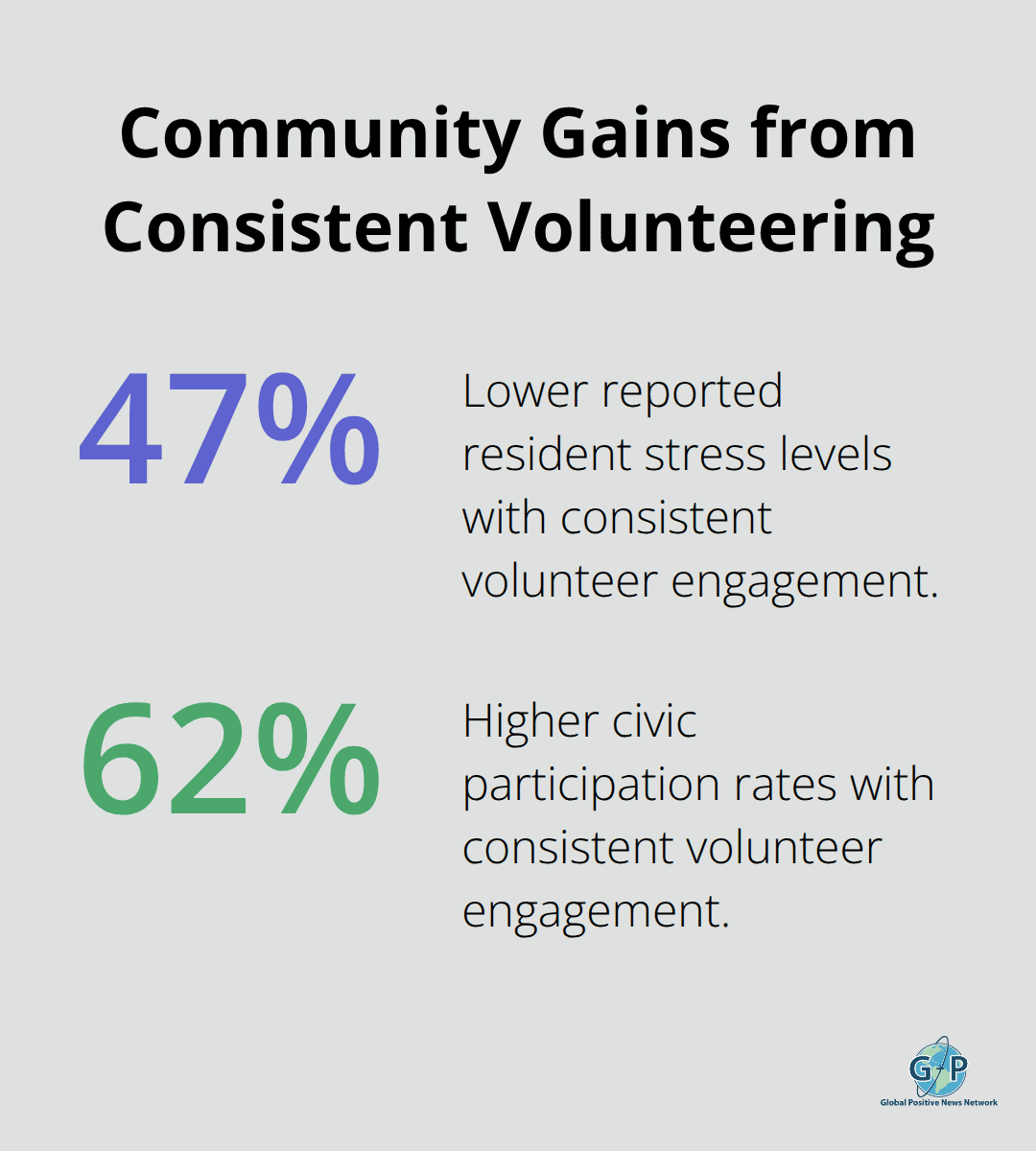
Consistent kindness builds institutional memory in communities. When you show up repeatedly-volunteering every Thursday, checking on neighbors monthly, or supporting a local cause year after year-you teach your community that reliability exists. Studies from the Journal of Community Psychology show that communities with consistent volunteer engagement experience 47% lower reported stress levels among residents and 62% higher rates of civic participation. People begin to believe that their neighbors will show up for them because they’ve seen it happen.
This belief transforms how communities function. In Denver, a group of volunteers committed to visiting elderly residents weekly reported that after 18 months, isolation-related health complaints among participants dropped 51%. The consistency mattered more than the scale. Five reliable volunteers produced better outcomes than 50 occasional helpers because people could depend on them. Your commitment teaches others that commitment is possible.
Making Generosity Contagious
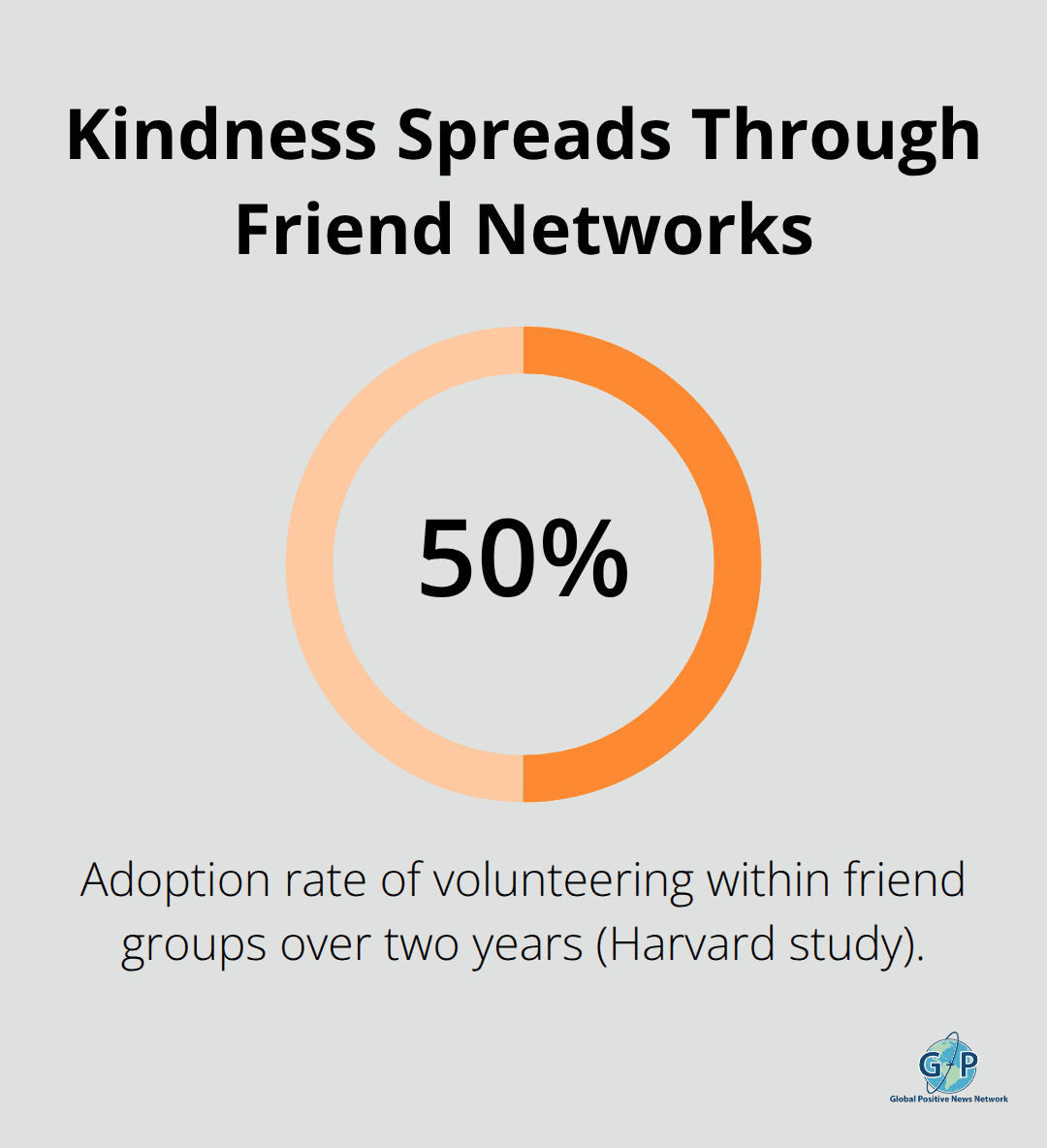
Generosity spreads fastest when people see it happening in their own social circles. A Harvard study tracking friendship networks found that acts of kindness spread through friend groups at roughly 50% adoption rate-meaning if one person in a friend group starts volunteering, roughly half their close friends will start volunteering within two years. This happens without recruitment campaigns or pressure. It happens because people watch their friends experience the satisfaction of helping and want that same experience.
The most effective way to inspire generosity isn’t through lectures or guilt. It’s through visible action. When your coworker mentions that she spent Saturday morning building raised garden beds for a community space, her honesty creates permission for others to do the same. When your neighbor casually mentions that he now visits a nursing home monthly and it’s become the highlight of his week, he’s not bragging-he’s reporting something that sounds genuinely good. Other people notice. They start asking questions. Some of them start doing it too. The ripple effect accelerates when you live out your kindness without performing it or demanding recognition.
Final Thoughts
Kindness matters now because communities are fractured and people feel isolated. The evidence throughout this post shows that service isn’t optional-it’s the mechanism through which we rebuild connection and trust. When you practice inspiration through service, you teach your entire community that reliability and compassion are possible.
Starting your kindness journey requires one decision: pick something specific and act on it this week. Not someday. Not when conditions are perfect. This week. Visit someone who’s alone, help a neighbor with a task, or contribute to a cause you care about. The size doesn’t matter-what matters is that you move from thinking about kindness to practicing it. Once you start, the momentum builds naturally, and you’ll notice how good it feels.
Your friends will notice too. They’ll ask questions, and some will join you. The ripple effect begins with your action, not with waiting for the right moment. Visit Global Positive News Network to explore stories of kindness in action and find communities of people committed to making a difference.
Having a hard day?
The 2 Minute Hope Reset is a short free guide with three small practices for the days that feel heavy. Two minutes each, nothing to keep up with.
Get the free guideExplore more positive news:
Enjoying stories like this?
Global Positive News Network is reader-supported. If you’d like to support the mission, you can visit the Official GPNN store.