
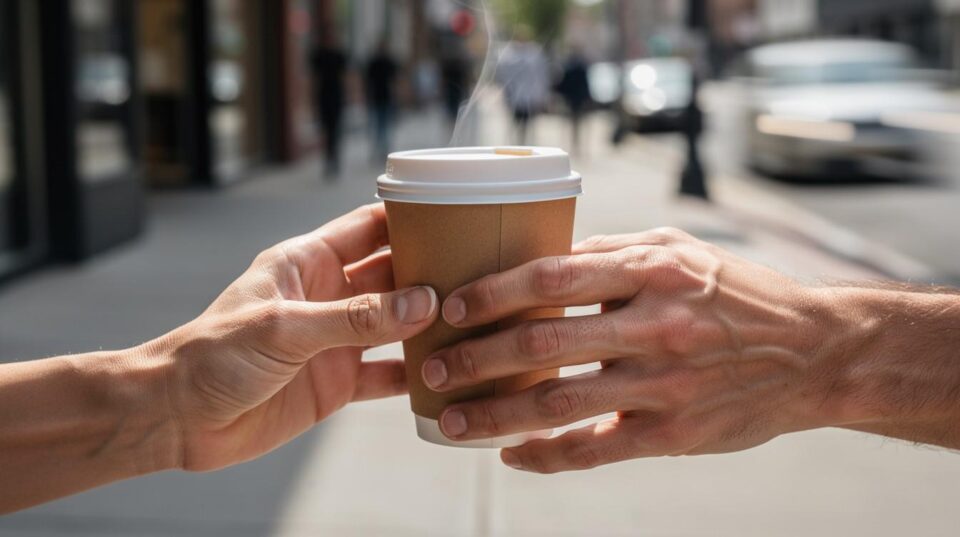
You probably think kindness is something only saints practice. But daily acts of kindness are actually one of the most practical tools you have for improving your own life and the lives around you.
At Global Positive News Network, we’ve seen how small gestures create measurable shifts in mental health, community strength, and social connection. This post shows you exactly how to start.
How Kindness Rewires Your Brain for Better Mental Health
The Neuroscience Behind Kindness
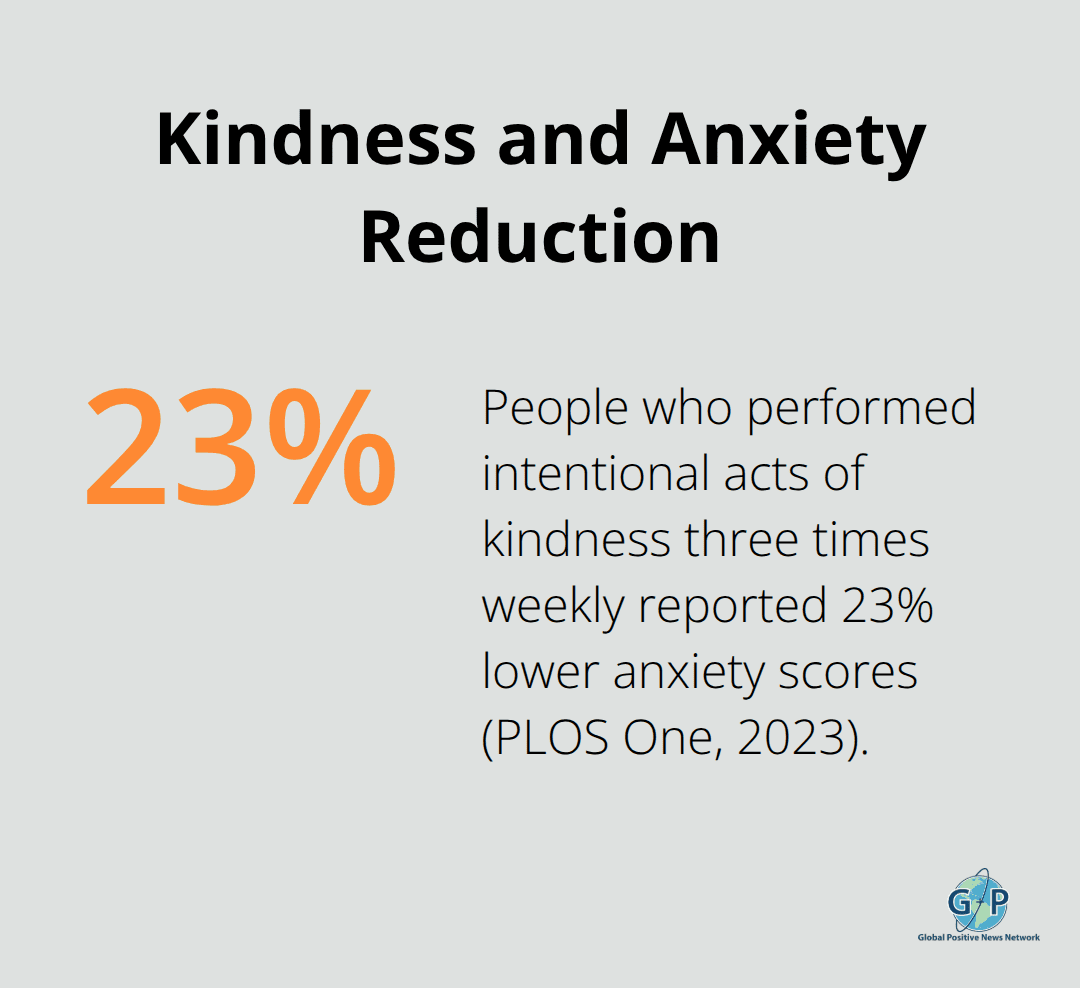
Kindness isn’t just feel-good philosophy. When you practice acts of kindness, your brain releases dopamine and oxytocin-the chemicals directly responsible for reducing stress and anxiety. Research from Emory University found that people who regularly help others show measurably lower cortisol levels, the stress hormone that damages your body over time. A 2023 study published in PLOS One found that those who performed intentional acts of kindness three times weekly reported 23% lower anxiety scores compared to the control group.
Each act of kindness you perform trains your nervous system to default toward calmness rather than panic. Your brain literally rewires itself through repetition. Start with something simple: send a thoughtful message to someone you haven’t spoken to in months, help a colleague solve a problem without being asked, or spend ten minutes listening to someone’s concerns without planning your response.
Building Happiness Through Deliberate Action
These actions trigger the same neural pathways associated with happiness and life satisfaction. Research from UC Riverside showed that people who performed five acts of kindness in a single day experienced a measurable increase in happiness that lasted for days afterward. The happiness boost comes from the satisfaction of making a tangible difference, not from vague good intentions.
This is why random acts feel empty compared to deliberate, thoughtful kindness. Generic compliments fade quickly. But when you remember that your colleague struggles with public speaking and you specifically offer to practice with them, or you know your neighbor is recovering from surgery and you bring a meal, you create genuine connection. These targeted acts register as meaningful both for the recipient and for your own mental health.
Creating Connection and Belonging
The mental health benefits extend beyond individual mood improvement. People who practice kindness regularly report stronger feelings of belonging and purpose, which psychologists consider foundational to overall wellbeing. A Harvard study tracking adults over 80 years found that those with strong social connections and regular positive interactions lived longer and experienced fewer mental health crises.
Kindness creates those connections naturally. When you help someone or listen deeply to their struggles, you create a reciprocal bond that strengthens both parties. Your nervous system recognizes this connection as safety, which is the antidote to modern anxiety and isolation.
Finding Your Kindness Style
Start tracking what specific kindness actions generate the strongest wellbeing response in your own life. Some people find that physical help energizes them most. Others feel most fulfilled through emotional support or mentoring. Your brain responds differently based on what aligns with your values. This self-awareness matters because consistency matters-and you’ll maintain consistency only with actions that genuinely energize you rather than drain you.
The most powerful kindness isn’t forced or performative. It flows from understanding both what you have to offer and what your community actually needs. This alignment between your strengths and others’ needs creates the conditions for genuine connection to flourish, which sets the stage for how these individual transformations ripple outward.
How to Actually Practice Kindness Without Burning Out
Turn Vague Intentions Into Specific Actions
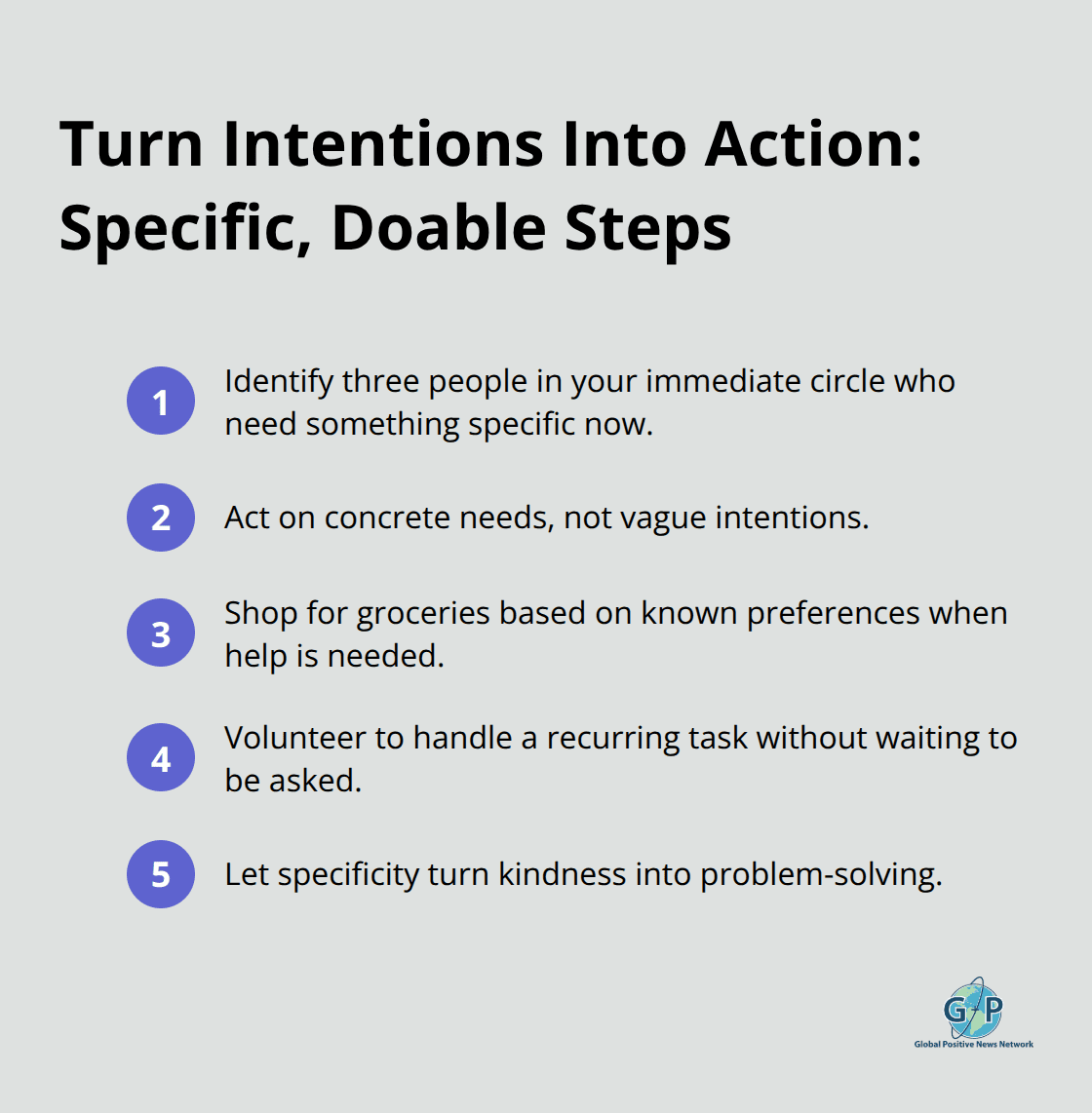
The gap between wanting to be kind and actually doing it consistently comes down to specificity. Vague intentions like “I’ll be nicer” collapse within days. Concrete actions with clear triggers stick. Start by identifying three people in your immediate circle who need something specific right now-not someday, but now. Your neighbor mentioned struggling with yard work after an injury. Your colleague just lost a parent. Your friend’s child needs help with math homework.
These aren’t abstract kindness opportunities. They’re actionable gaps you can fill.
The most effective approach removes friction from the act itself. If you know someone needs groceries, shop for them based on what you already know about their preferences instead of asking. If a colleague struggles with a recurring task, volunteer to handle it without waiting for them to ask. Specificity transforms kindness from something that feels like additional work into something that feels like problem-solving.
Master the Art of Focused Attention
Emotional support operates differently than practical help, and most people underestimate how much their workplace and community crave it. Active listening means closing your laptop, putting your phone away, and asking follow-up questions without planning your response. This takes fifteen to twenty minutes per conversation, not hours. A study found that people who received focused, undivided attention from someone reported significantly higher feelings of being valued than those who received material help alone.
The barrier isn’t time. It’s attention. You likely have pockets of time throughout your week where you’re physically present but mentally elsewhere. Redirect one of those moments toward someone who matters. This single shift creates measurable impact without requiring you to add anything to your schedule.
Choose Depth Over Breadth in Your Giving
Contributing time or resources to causes works best when you commit to something local and specific rather than spreading yourself thin across multiple organizations. Depth over breadth in giving allows even the smallest tasks to make a real difference to the lives of people, animals, and organizations in need. Donating to a specific scholarship fund you can track creates more satisfaction than giving to a generic charity fund.
The most powerful community stories involve people who chose depth over breadth, who built relationships within their communities rather than performing isolated acts. That consistency matters more than the size of any single gesture. When you establish yourself as someone reliable within a specific cause, your impact compounds. Others notice. Others follow. This is where individual kindness transforms into something far larger.
How Kindness Spreads Beyond the Person You Help
The Immediate Ripple Effect
When you help someone, you’re not just changing their day. You’re creating a visible example that rewires how others think about their own capacity to help. Research shows that witnessing acts of kindness increases the likelihood that observers will perform their own acts of kindness. When a coworker watches you spend time helping another colleague solve a problem without being asked, that coworker becomes more likely to do the same for someone else. The effect compounds. One person’s action triggers another person’s action, which triggers a third person’s action. Within weeks, the culture of an entire team or neighborhood shifts from transactional to relational.
The person who received help doesn’t just feel grateful. They internalize the message that people can be relied upon, that community members show up for each other, and that their struggle mattered enough for someone to interrupt their own priorities. This psychological shift makes them far more likely to extend the same courtesy to others. Humans are pattern-matching creatures. We observe what’s possible and what’s normal, then we replicate it.
How Strong Communities Build Resilience
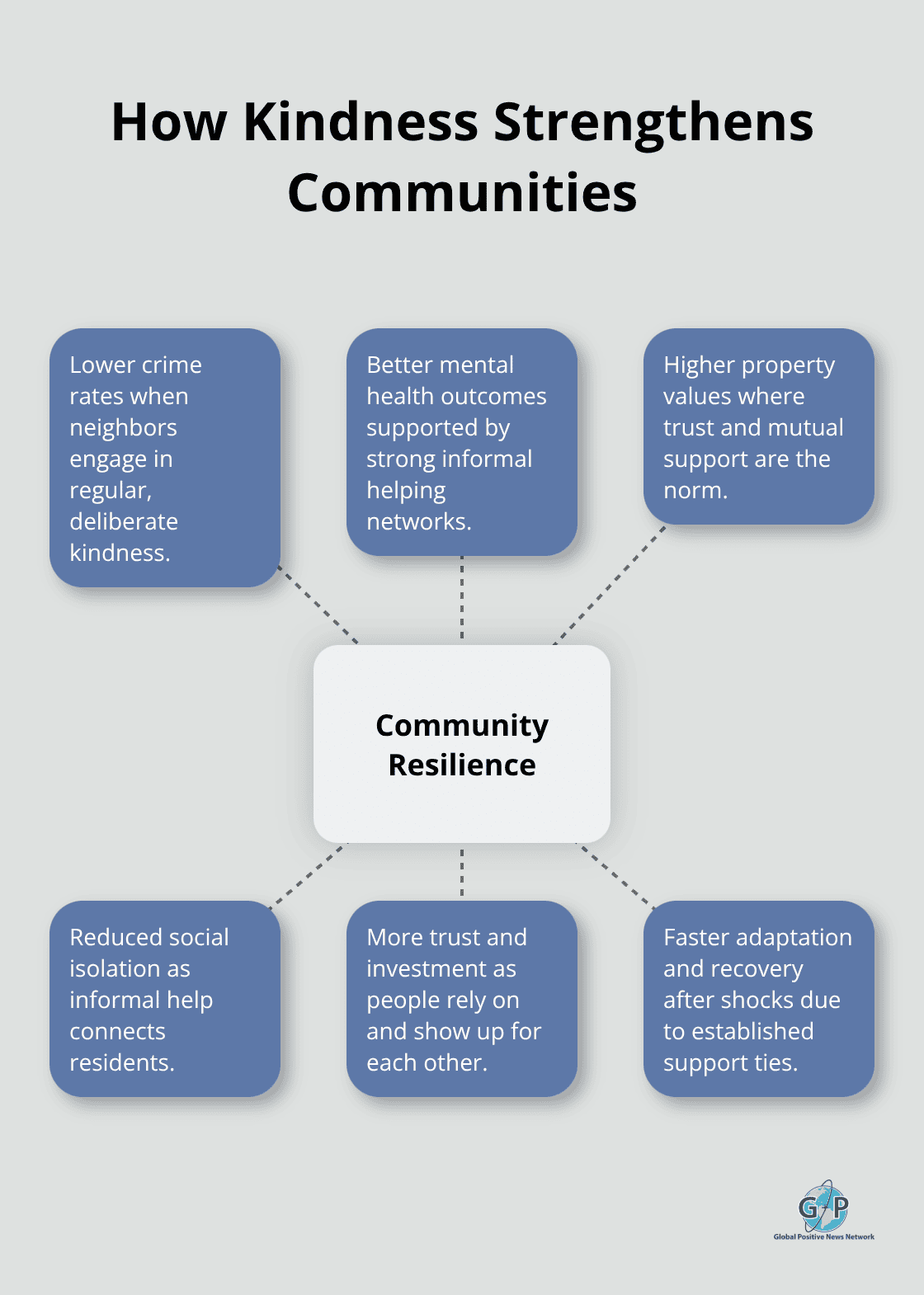
Neighborhoods where residents regularly perform deliberate kindness for each other report lower crime rates, better mental health outcomes, and higher property values. Research indicates that communities with strong informal helping networks experience improved mental health outcomes and lower rates of social isolation among residents. These aren’t separate benefits-they’re interconnected. When people feel supported, they’re less likely to engage in destructive behavior. When isolation decreases, so does depression. When people trust their neighbors, they invest in their community’s future.
The infrastructure of kindness creates resilience against the shocks that destabilize communities. Economic downturns hit less hard when people have established relationships of mutual support. Health crises feel less catastrophic when neighbors check on each other. These communities don’t just survive difficult periods. They adapt and recover faster. Building this strength requires consistency, not occasional gestures.
The neighborhoods that transformed most dramatically were those where multiple people committed to specific, ongoing acts of kindness rather than sporadic bursts of charity.
Sustained Commitment Transforms Communities
The most destructive myth about community kindness is that one dramatic gesture creates lasting change. It doesn’t. A single donation or volunteer day generates temporary relief but rarely addresses root causes or builds lasting infrastructure. Real community transformation requires people who commit to showing up repeatedly, often without recognition or reward.
A local organization that receives consistent weekly volunteers from the same five people accomplishes exponentially more than an organization that receives 50 volunteers for a single Saturday event. The committed volunteers understand the work deeply. They anticipate problems. They build relationships with the people they serve. They create systems that function smoothly. When you commit to helping with a specific organization or cause for six months or a year, you move from being a helper to becoming part of the solution. You see what actually works. You identify bottlenecks. You propose improvements. Other people notice your consistency and follow your lead.
How Ordinary People Create Measurable Change
Communities that have reduced homelessness, improved public health outcomes, or transformed failing schools didn’t accomplish this through one-time efforts. They did it through networks of people who committed to sustained engagement, who showed up when it wasn’t convenient, who learned from failures and adjusted their approach. The work is unglamorous. It requires showing up on days when you’re tired. It demands accountability and follow-through. But the results speak clearly. Kindness practiced consistently and deliberately rewires not just individual brains but entire communities.
Final Thoughts
The evidence proves that daily acts of kindness reshape your brain chemistry, strengthen your relationships, and build communities that actually function. Individual actions trigger collective transformation-one person’s decision to help creates a visible example that others follow, and within weeks, entire neighborhoods shift from isolated to connected. Within months, communities develop the resilience to weather genuine crises.
The barrier to starting isn’t complexity. Fifteen minutes of focused attention on someone who matters, one specific task you handle without being asked, or a consistent weekly commitment to a cause you believe in-these ordinary actions compound into extraordinary results. You don’t need grand gestures or massive time commitments to create measurable change.
Start with what stands immediately in front of you: your neighbor, your colleague, your community. Identify one specific need you can address this week, then commit to showing up again next week (this consistency matters far more than the size of any single act). We at Global Positive News Network celebrate these stories constantly, sharing accounts of ordinary people creating measurable change through sustained kindness and highlighting communities transformed by networks of committed individuals.
Having a hard day?
The 2 Minute Hope Reset is a short free guide with three small practices for the days that feel heavy. Two minutes each, nothing to keep up with.
Get the free guideExplore more positive news:
Enjoying stories like this?
Global Positive News Network is reader-supported. If you’d like to support the mission, you can visit the Official GPNN store.