
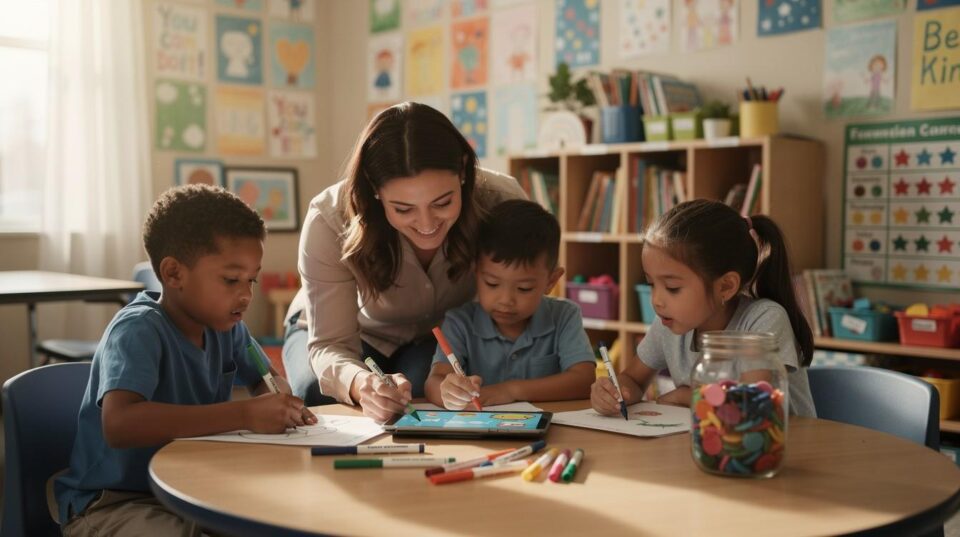
Teachers spend roughly 1,000 hours per year in the classroom, yet many struggle to create environments where students actually thrive. We at Global Positive News Network believe that positive classroom ideas aren’t luxuries-they’re necessities for real learning to happen.
This guide covers proven strategies that shift classrooms from places of compliance into spaces where students feel valued, engaged, and motivated to learn.
How to Build a Classroom Where Students Actually Want to Be
Use Language That Signals Competence
The language teachers use shapes whether students see themselves as capable or inadequate. Research consistently shows that shifting from corrective language to affirming language changes outcomes. Ask “what questions do you have?” instead of “do you have any questions?” This small change signals that questions are expected and welcome, reducing hesitation and encouraging participation. When a student struggles with a math problem, ask “share your thinking” rather than saying “that’s wrong.” This approach reveals their reasoning process and lowers the pressure around getting the right answer. Teachers who implement consistent positive reinforcement see measurable gains in student engagement and motivation.
Establish Predictable Routines and Transitions
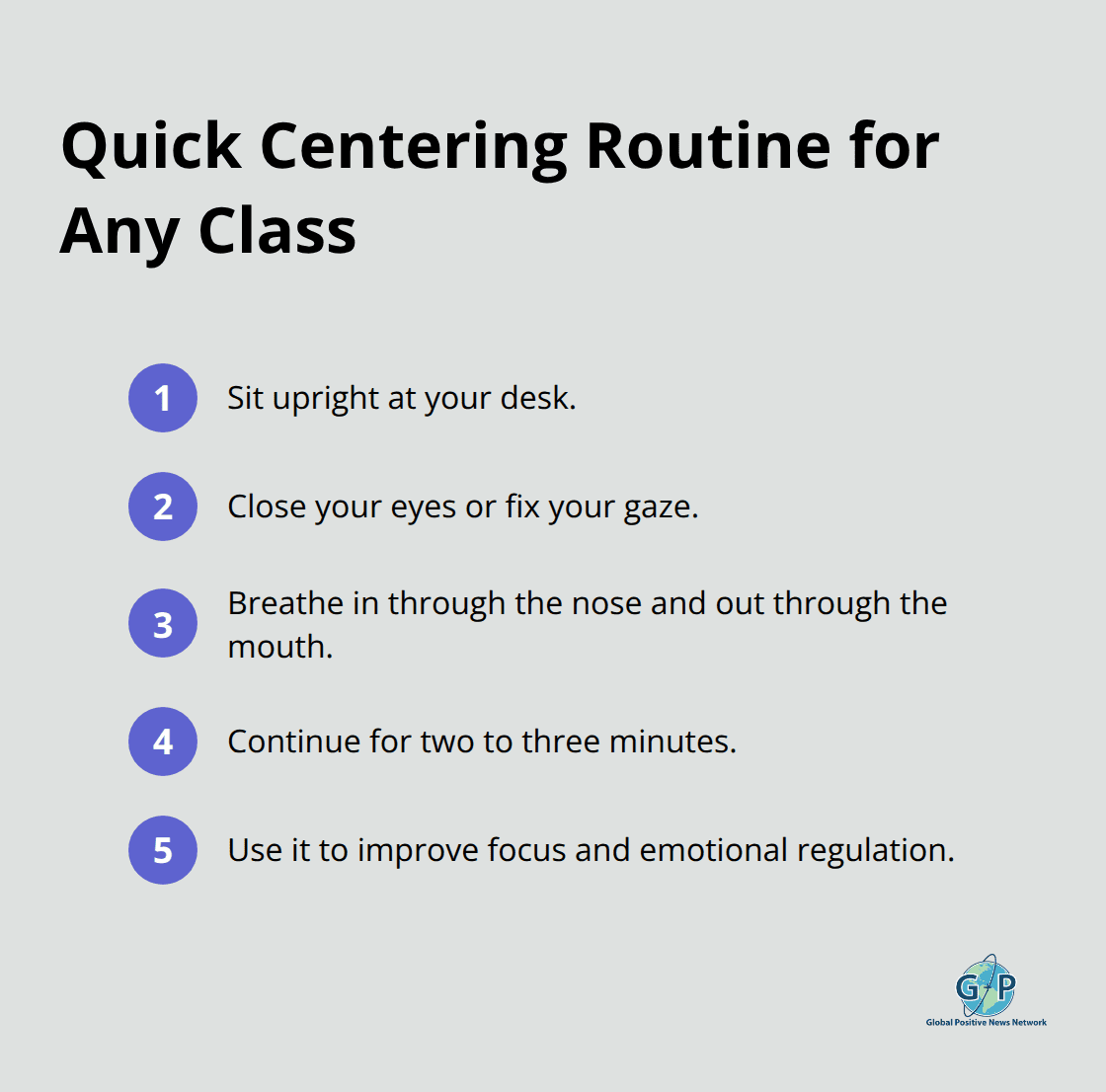
Clear routines eliminate the friction that drains classroom energy and steals instructional time. Establish a predictable structure for how students enter the classroom, transition between activities, and prepare to leave. A centering routine at the start of each class works particularly well: have students sit upright, close their eyes or fix their gaze, and breathe slowly through the nose and out through the mouth for two to three minutes. This narrow focus to the present moment improves emotional regulation and attention span without requiring elaborate preparation.
Create Moments for Genuine Connection
Build strong relationships by learning what matters to each student beyond academics and showing genuine interest in their progress. A weekly check-in where students share a highlight, a low point, and something they’re looking forward to creates predictable moments for connection while revealing early warning signs of disengagement or stress. Teachers who prioritize these relationships report lower behavior disruptions and higher intrinsic motivation among students. The shift from compliance-based classrooms to relationship-based ones directly correlates with academic achievement and long-term student success-making it far more than a soft or optional practice.
What Actually Engages Students in Learning
The Data Behind Classroom Engagement
Engagement isn’t abstract-it’s measurable, and the data is stark. According to EdWeek Research Center findings, this report examines strategies that might bolster student engagement and motivation based on survey results from students and educators. A Gallup study including 128 schools and more than 110,000 students found that student engagement and hope were significantly correlated with academic outcomes. This means the difference between an engaged classroom and a disengaged one translates directly to academic performance.
Active Participation Over Passive Observation
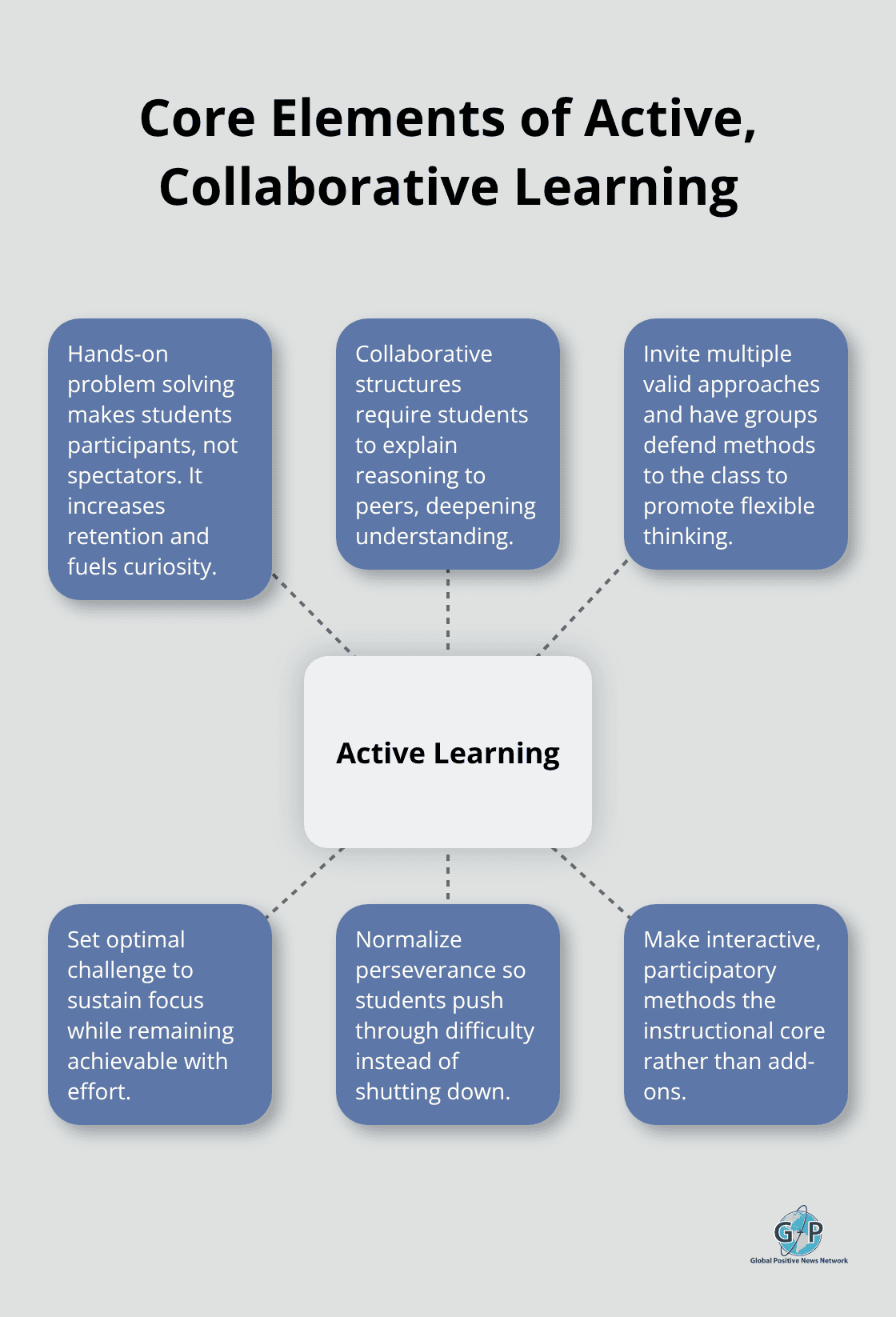
Interactive teaching methods work because they shift students from passive recipients to active participants. When students work through problems themselves rather than watching demonstrations, they retain information at far higher rates and develop genuine curiosity about the subject matter. The most effective approach combines hands-on problem-solving with collaborative structures where students must explain their reasoning to peers. Instead of showing students how to solve an equation, present the problem and have small groups develop multiple valid approaches, then defend their methods to the class.
This strategy, grounded in flow theory research by Csikszentmihalyi, creates optimal challenge-high enough to maintain focus but achievable with effort. Teachers implementing collaborative active learning see students persevere through difficulty rather than shut down when frustrated. Research from Brookings and the Economic Policy Institute emphasizes that post-pandemic recovery requires interactive, participatory methods as the instructional core, not supplemental extras.
Technology That Facilitates Dialogue
Technology and multimedia should amplify peer interaction, not replace it. Digital tools work best when they facilitate student-to-student dialogue rather than student-to-screen consumption. For example, digital polling tools during lessons reveal student thinking in real time, allowing you to adjust instruction immediately based on actual understanding rather than assumptions. Multimedia-videos, interactive simulations, digital whiteboards for collaborative problem-solving-keeps attention high, especially for students who process information differently.
The trap many teachers fall into is treating technology as engagement itself. Passive video watching or individual computer tasks produce minimal learning gains. Many classrooms still rely too heavily on passive formats when interactive methods would better support learning.
Gamification and Real Roles
Gamification elements-points, levels, progress tracking-work when they reward effort and learning, not just correct answers. A math game where students earn points for attempting challenging problems and showing their work builds persistence. One that only rewards speed or right answers encourages guessing and undermines deeper thinking.
The most powerful interactive classrooms give students real roles and responsibilities within group work. Assign rotating facilitators, recorders, and presenters so every student practices leadership and communication skills. Practice these roles with low-stakes tasks first before tackling rigorous content. This scaffolding prevents groups from defaulting to one dominant voice while others disengage. When students hold genuine responsibility for their group’s success, they invest differently in the work and hold peers accountable to higher standards.
How to Build Resilience While Supporting Every Student
Address the Focus Crisis Head-On
Student wellbeing directly impacts academic performance, yet about one-quarter of public schools reported that student inattention or poor focus had a severe negative effect on learning, according to the National Center for Education Statistics. The root cause isn’t laziness-it’s often unmanaged stress, anxiety, and feeling unseen in the classroom. A two-minute centering routine at the start of class transforms this dynamic without requiring extra resources. Have students sit upright, close their eyes, and breathe slowly through the nose and out through the mouth. This practice narrows attention to the present moment and improves emotional regulation immediately. Schools that implement daily centering routines show reductions in behavioral problems and improvements in students’ ability to manage stress and emotions. The American Psychological Association confirms that mindfulness supports learning by improving both focus and emotional regulation, making it far more than a wellness add-on.
Make Recognition Specific and Visible
Recognition of individual progress matters more than most teachers realize. A Friday update email to parents summarizing class progress, including grade screenshots and reflection prompts, keeps families informed while signaling to students that their effort gets noticed. This practice works at all grade levels, including high school, and takes roughly ten minutes to implement weekly. The shift from generic praise to specific feedback changes outcomes significantly-instead of saying a student did well, describe exactly what they did: “You showed persistence by trying three different approaches before finding the solution.” This specificity builds intrinsic motivation and helps students understand what effort actually produces results.
Create Ownership Through Voice and Choice
Inclusivity requires going beyond diversity statements. Give students genuine voice in how projects unfold or how the classroom is organized, which increases ownership and belonging. Research shows that when students influence decisions about their learning environment, they invest differently in the work and hold themselves to higher standards. Celebrate achievements across multiple dimensions-academic progress, improved collaboration, risk-taking on difficult problems (these varied recognition points ensure every student finds something meaningful to celebrate). When students see their preferences shape the classroom, they develop stronger connections to both the space and their peers.
Final Thoughts
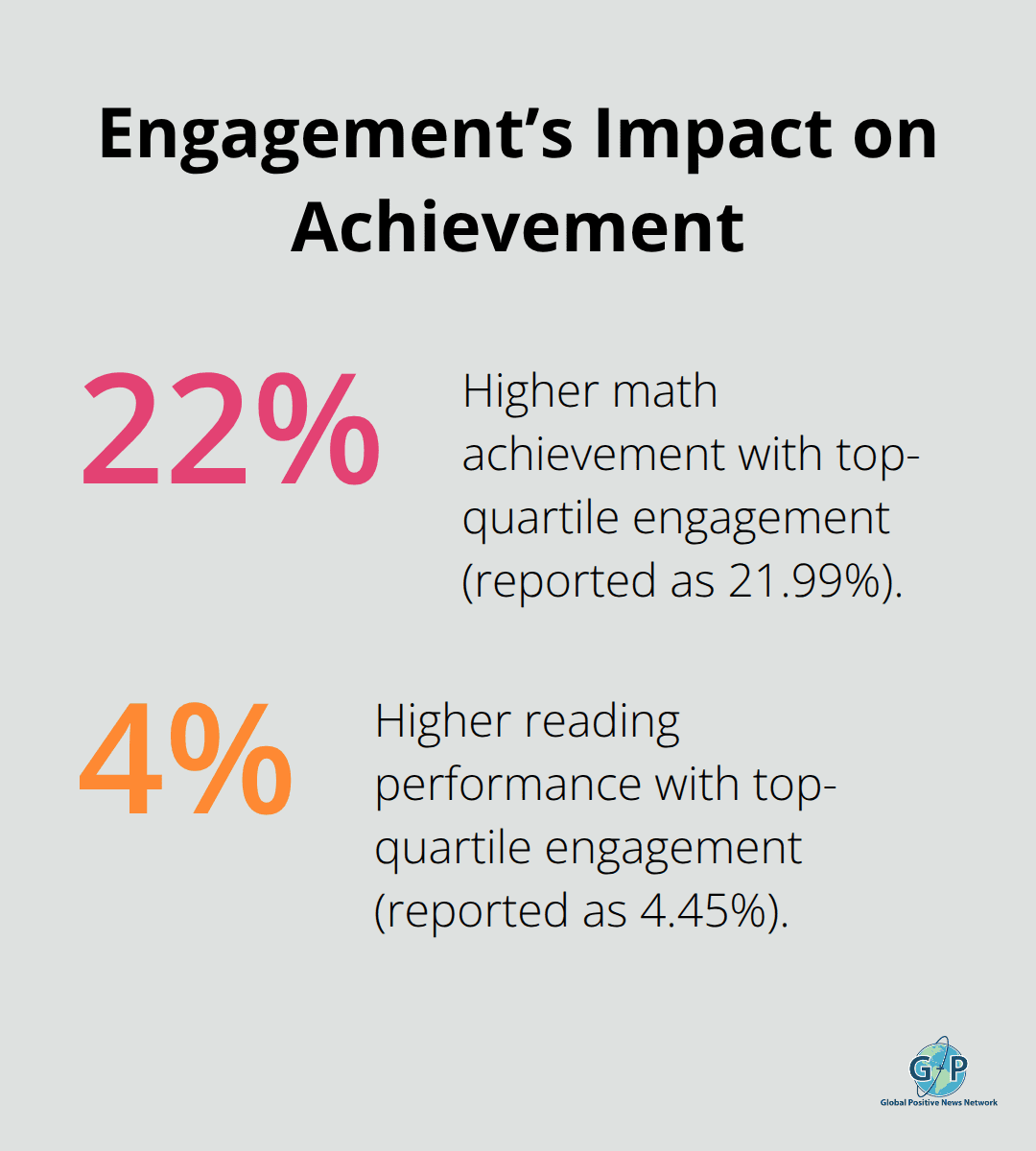
Positive classroom ideas work because they treat students as capable, valued members of a learning community rather than passive recipients of information. Shifting language, establishing routines, building genuine relationships, and creating interactive learning experiences reinforce each other and compound over time. Schools implementing these strategies see measurable improvements in academic achievement, reduced behavioral disruptions, and stronger student motivation-with top-quartile engagement correlating to 21.99% higher math achievement and 4.45% higher reading performance.
The transformation doesn’t require overhauling your entire approach overnight. Start with one practice-perhaps a centering routine or shifting your questioning language-and watch how it ripples through your classroom. Teachers who implement these strategies report that as students experience genuine recognition, feel heard in classroom decisions, and engage in meaningful problem-solving, their investment in learning deepens.
Your classroom culture shapes whether students see themselves as capable learners or as outsiders to academic success. Visit Global Positive News Network for stories of real transformation and community impact that inspire positive change in education. Start this week with one small shift.
Having a hard day?
The 2 Minute Hope Reset is a short free guide with three small practices for the days that feel heavy. Two minutes each, nothing to keep up with.
Get the free guideExplore more positive news:
Enjoying stories like this?
Global Positive News Network is reader-supported. If you’d like to support the mission, you can visit the Official GPNN store.