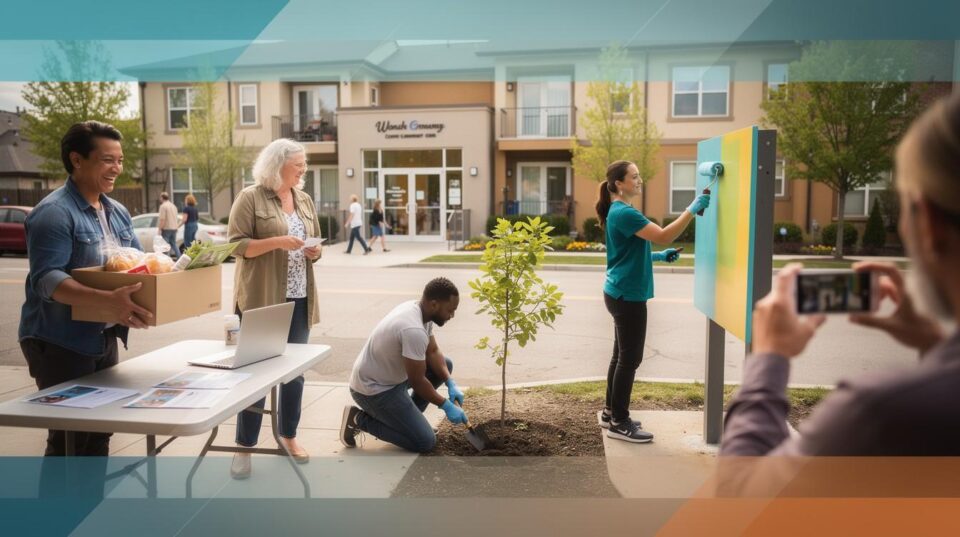
Community impact stories reveal something powerful: ordinary people creating extraordinary change in their neighborhoods. At Global Positive News Network, we’ve witnessed how grassroots initiatives, individual acts of kindness, and organized nonprofits transform lives and strengthen entire communities.
This collection showcases real moments where resilience, compassion, and commitment made measurable differences. These stories prove that positive change doesn’t require massive resources-it requires people willing to act.
How Grassroots Action Transforms Neighborhoods Into Change-Making Centers
What Makes Neighborhood Programs Succeed
Grassroots initiatives work because they start with what communities actually need, not what distant organizations think they should want. Neighborhood programs create measurable social change by focusing on immediate, concrete problems. Food banks run by volunteers and donors feed thousands of families each month, demonstrating that consistent, localized effort produces real results. Volunteer networks address food insecurity year-round, with participants rotating shifts to maintain momentum rather than relying on one-time donation drives. Homelessness programs that work combine immediate shelter with pathways to recovery-outreach teams provide both beds and job training simultaneously.

Building Skills That Open Doors
Youth programs have shifted away from vague mentorship toward specific competencies. Tutoring and mentoring programs provide academic support paired with secure learning environments, which is why disadvantaged youth in these programs show measurable academic gains. Digital literacy training, CPR certification, and driving safety courses equip young people with tangible skills employers actually hire for, not theoretical knowledge. These concrete offerings attract more participants and create real employment opportunities.
Starting Your Own Neighborhood Effort
The most effective neighborhood transformation happens when communities track what’s working. Stakeholders in public sector work now demand proof of impact, not good intentions, with evidence of how much difference is being made considered essential (Harvard Business Review). Start small with concrete actions: organize a donation drive for non-perishable food and school supplies, repair items in your neighborhood through community workshops, or host a weekly study group at a local library.
Partnering for Greater Reach
Partner with existing organizations like food pantries, shelters, and community centers because they already understand local needs and can direct your effort where it matters most. The difference between neighborhood programs that fade and those that last comes down to consistency and measurement. Track how many families your food effort feeds each month, how many young people complete your tutoring program, how many volunteer hours your network contributes. These numbers create accountability, attract additional volunteers, and prove to local government and funders that your work deserves support.
Moving From One-Off Projects to Lasting Change
Neighborhoods transforming through grassroots initiatives treat community change as ongoing work, not a project with an end date. This sustained commitment opens doors to deeper partnerships with schools, nonprofits, and local government-relationships that amplify what individual volunteers can accomplish alone.
Personal Resilience Becomes Community Strength
Experience Transforms Into Action
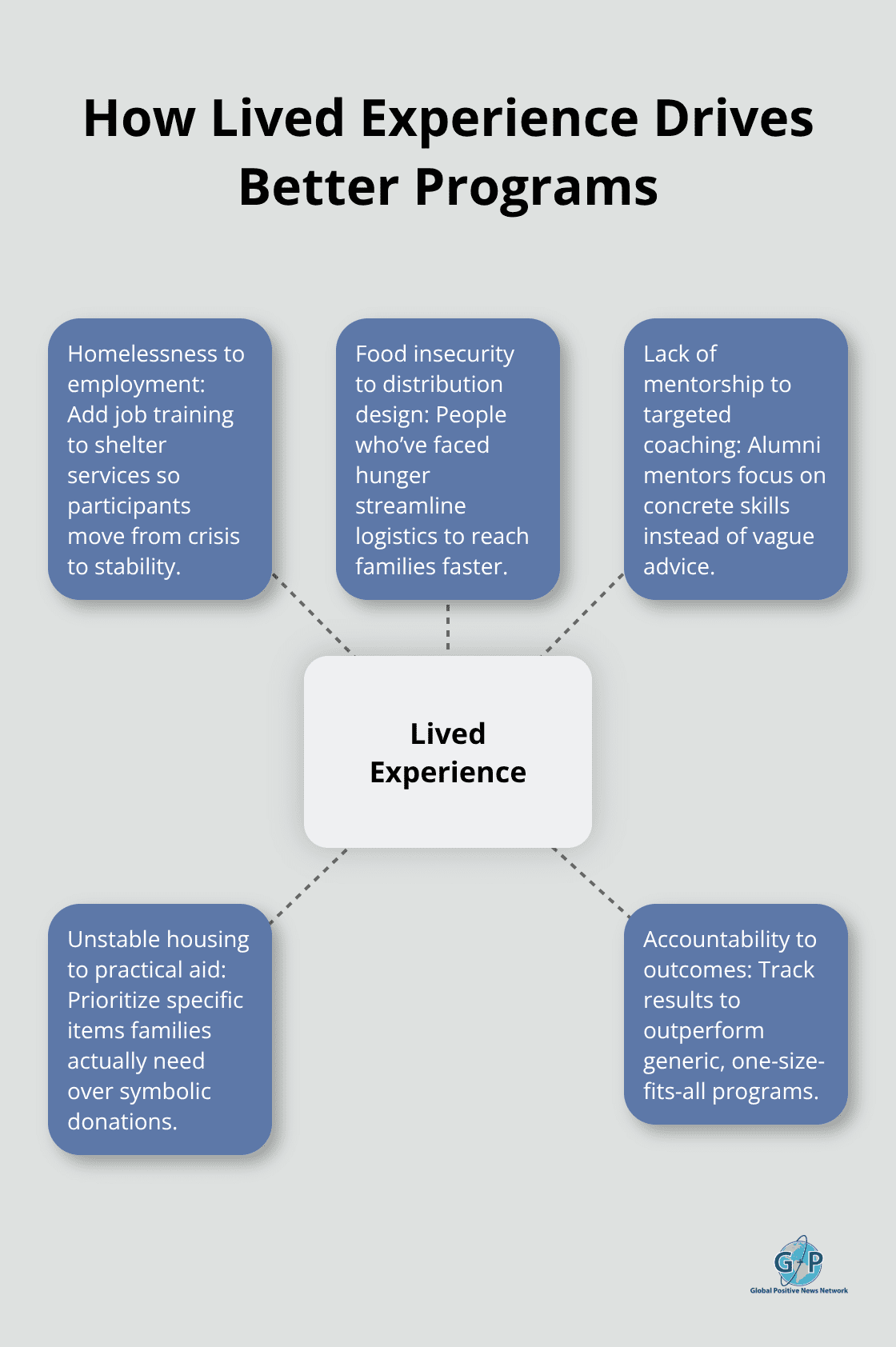
People who overcome adversity redirect their experience toward helping others facing similar struggles. This pattern appears consistently across communities where individuals who’ve battled homelessness now run outreach programs, people who survived food insecurity now coordinate food distribution networks, and those who lacked mentorship as youth now mentor others. The power lies in specificity: someone who experienced homelessness understands the exact barriers to employment that shelters alone cannot solve, so they build job training components into their programs. Someone who grew up without stable housing knows which practical items-not symbolic donations-actually matter for families in crisis. These aren’t theoretical insights; they’re hard-won knowledge that translates into programs with measurably better outcomes than generic approaches.
Matching Skills to Real Needs
Mentorship networks that changed lives share one characteristic: they match people with specific skills to people with specific needs. A software engineer teaching digital literacy produces different results than a general volunteer offering vague life advice. Someone teaching CPR certification provides a credential that employers recognize; someone sharing driving safety knowledge prevents accidents that could derail young people’s futures. The most effective support networks track outcomes because accountability forces programs to stay honest about what’s actually working.
Making Compassion Visible and Replicable
Acts of compassion ripple outward when they’re visible and replicable. When one neighbor helps another shovel a driveway during winter, nearby neighbors notice and start doing the same. When someone organizes a clothing swap, the model spreads because others see the concrete benefit. Communities that sustain momentum around kindness document and share what they’re doing-posting photos of cleanup events, announcing food drive results, celebrating volunteer milestones. This visibility matters because potential volunteers want evidence that their effort produces tangible results, not vague good feelings.
Quantifying Impact to Build Momentum
Harvard Business Review research confirms that stakeholders now demand proof of impact, not good intentions. Your community’s resilience stories have the same requirement: quantify them. Track how many young people completed your mentorship program, how many families received support, how many volunteer hours contributed to neighborhood transformation. When you share that your mentorship network helped fifteen young people secure jobs, or that your volunteer team served three hundred families last month, you attract more people willing to contribute their own resilience and compassion. The individuals driving this change aren’t waiting for permission or resources-they’re starting with what they have and measuring what they accomplish. These measurable results create the foundation for scaling impact across neighborhoods, which is where organizations enter the picture with resources and infrastructure to amplify what grassroots leaders have already proven works.
How Organizations Scale What Grassroots Leaders Prove Works
Amplifying Proven Community Models
Nonprofits don’t create social change from scratch-they amplify what communities have already demonstrated is possible. The organizations making measurable waves identify neighborhoods where grassroots volunteers have built momentum, then provide infrastructure, funding, and expertise to expand those efforts. Food banks that started as neighborhood initiatives now feed thousands monthly because they hired staff, secured warehouse space, and implemented inventory systems that volunteers alone couldn’t maintain. Tutoring programs that began with one mentor now reach hundreds of young people because organizations hired coordinators, trained additional mentors, and tracked academic outcomes systematically. The critical insight: organizations succeed when they treat grassroots leaders as partners with proven models, not as people who need instruction on how to help their communities.
Measuring Impact to Drive Accountability
Nonprofits working at scale measure impact because funders, board members, and the public demand evidence that donated dollars produce results. A food security nonprofit tracks not just meals distributed but also employment outcomes for families served, because temporary food assistance without a pathway to self-sufficiency solves nothing permanently. Youth development organizations measure graduation rates, job placement percentages, and wage gains for participants, not vague metrics about confidence or potential. These numbers aren’t bureaucratic overhead-they function as accountability mechanisms that keep organizations focused on actual impact rather than activity. Stakeholders now demand proof of impact, not good intentions, with evidence of how much difference organizations make considered essential.
Corporate Resources Meeting Real Community Needs
Corporate partnerships amplify community reach when businesses contribute specific resources their communities lack rather than generic donations that feel disconnected from real problems. Tech companies teaching digital literacy to adults facing employment barriers provide something concrete: job-ready skills that employers actually hire for. Manufacturing companies donating tools and materials for neighborhood repair initiatives address actual community needs rather than sending surplus inventory that nobody wants.
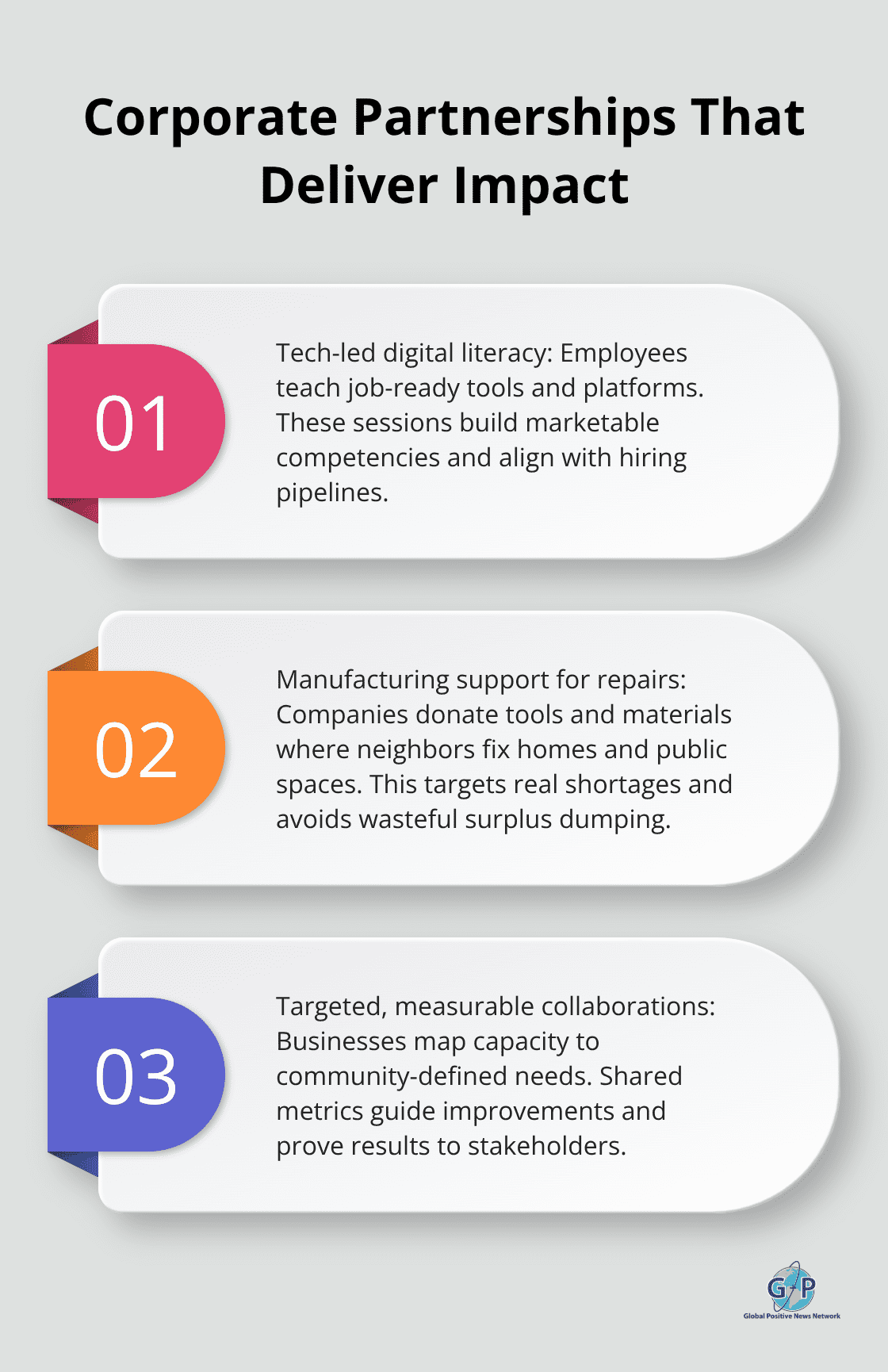
These targeted partnerships work because they connect corporate capacity directly to community problems that visionary leaders have already identified and begun addressing.
Sustaining Programs for Long-Term Impact
The organizations creating long-term sustainable change refuse the one-time project mentality that plagues charity work. They commit to five-year, ten-year, or ongoing programs because homelessness, food insecurity, and educational gaps don’t disappear through temporary efforts. These sustained programs develop institutional knowledge, build relationships with government agencies and schools, and create career paths for the community leaders running them. The most effective charitable initiatives treat impact measurement as a tool for improvement, not punishment-when data shows a program isn’t reaching families who need it most, these organizations adjust strategy rather than defend what isn’t working.
Building Continuous Improvement Into Operations
This commitment to continuous improvement, combined with willingness to partner with grassroots leaders and provide sustained resources, separates organizations genuinely moving the curve on community wellbeing from those merely appearing to address social problems. Organizations that succeed invest in systems that track what works and what doesn’t, then act on that information. They hire staff from the communities they serve, understanding that lived experience matters more than credentials alone. They share data with partner organizations rather than hoarding it, recognizing that population-level impact requires cross-sector collaboration where schools, nonprofits, government agencies, and community groups all work toward shared outcomes.
Final Thoughts
Community impact stories reveal what happens when ordinary people act on problems they witness in their neighborhoods. One person feeds families, and nearby neighbors start contributing. One mentor teaches digital literacy, and others volunteer to teach as well. One cleanup event transforms a space, and residents take pride in maintaining it-this multiplier effect isn’t theoretical; it’s documented across every community transformation we’ve covered.
Your community impact journey starts with what you observe around you: families needing food assistance, young people lacking mentorship, spaces needing repair, neighbors struggling in isolation. Match your specific skills to those specific needs, track what you accomplish (because numbers create accountability and attract others), and partner with existing organizations that understand local needs rather than building from scratch. Sustained work matters far more than one-time projects when you want lasting change.
We at Global Positive News Network believe your story-whether you’re starting a tutoring program, organizing a donation drive, or helping neighbors with practical tasks-demonstrates that change is possible. The multiplier effect begins with you.
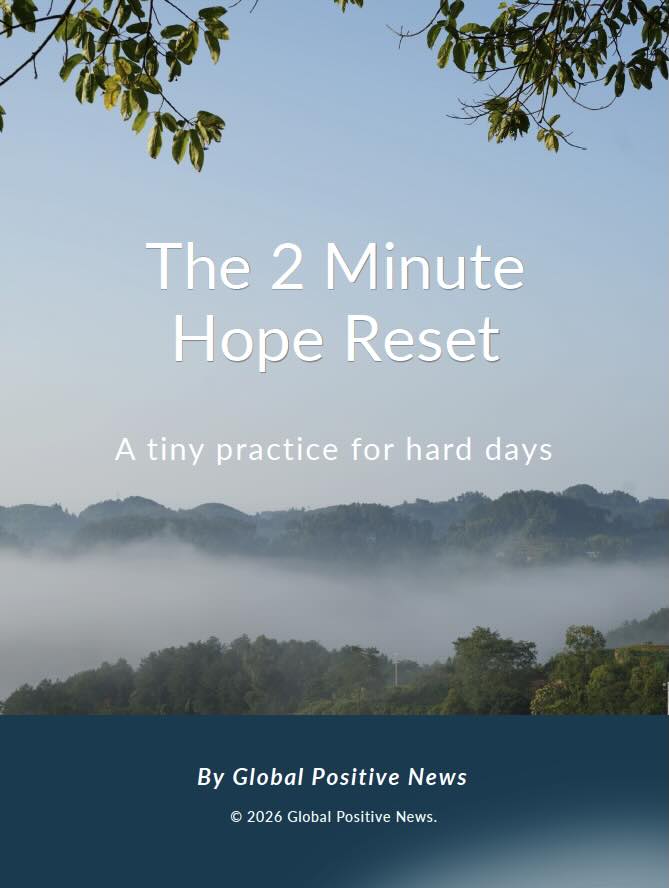
Having a hard day?
The 2 Minute Hope Reset is a short free guide with three small practices for the days that feel heavy. Two minutes each, nothing to keep up with.
Get the free guideExplore more positive news:
Enjoying stories like this?
Global Positive News Network is reader-supported. If you’d like to support the mission, you can visit the Official GPNN store.