

Women in tech positivity isn’t just about celebrating wins-it’s about understanding the real obstacles women face and the concrete systems that help them overcome them.
At Global Positive News Network, we’re examining how women are breaking through barriers, building communities, and reshaping the industry. This post shows you the challenges, the success stories, and the actionable support systems that matter.
What’s Really Holding Women Back in Tech
The Hiring Gap and Systemic Bias
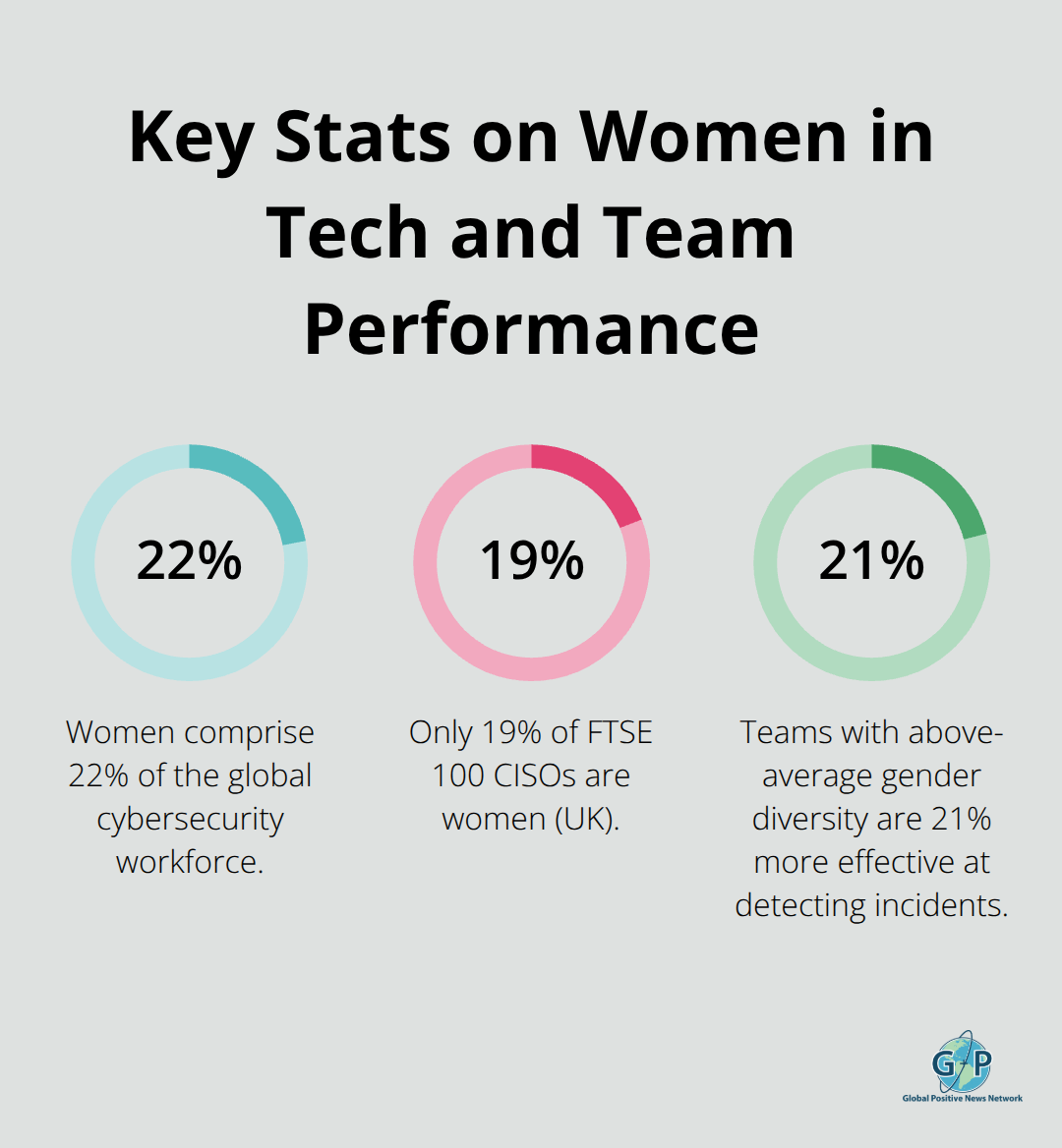
The numbers tell a stark story about hiring in tech. Globally, women account for 22% of the cybersecurity workforce, and in the UK, only 19% of FTSE 100 CISOs are women. These gaps did not form by accident. During hiring, women face measurable discrimination that starts before the interview. Research shows that identical resumes with male names receive more callbacks than those with female names, and women in tech report facing questions about childcare plans during interviews-a question rarely posed to men. The bias does not stop at entry level either. Women leaders in tech describe being passed over for promotions because they lack the right sponsor, not because of performance gaps.
Sponsorship vs. Mentorship: The Advancement Gap
One practical reality separates career stagnation from advancement: sponsorship differs fundamentally from mentorship. Sponsors actively advocate for you when you are not in the room and open doors to opportunities; mentors provide guidance but rarely accelerate advancement the same way. Without sponsors, women stay invisible to decision-makers, even when their work is exceptional. This visibility gap explains why many talented women plateau in mid-level roles despite strong performance records.
Retention and the Cost of Exclusion
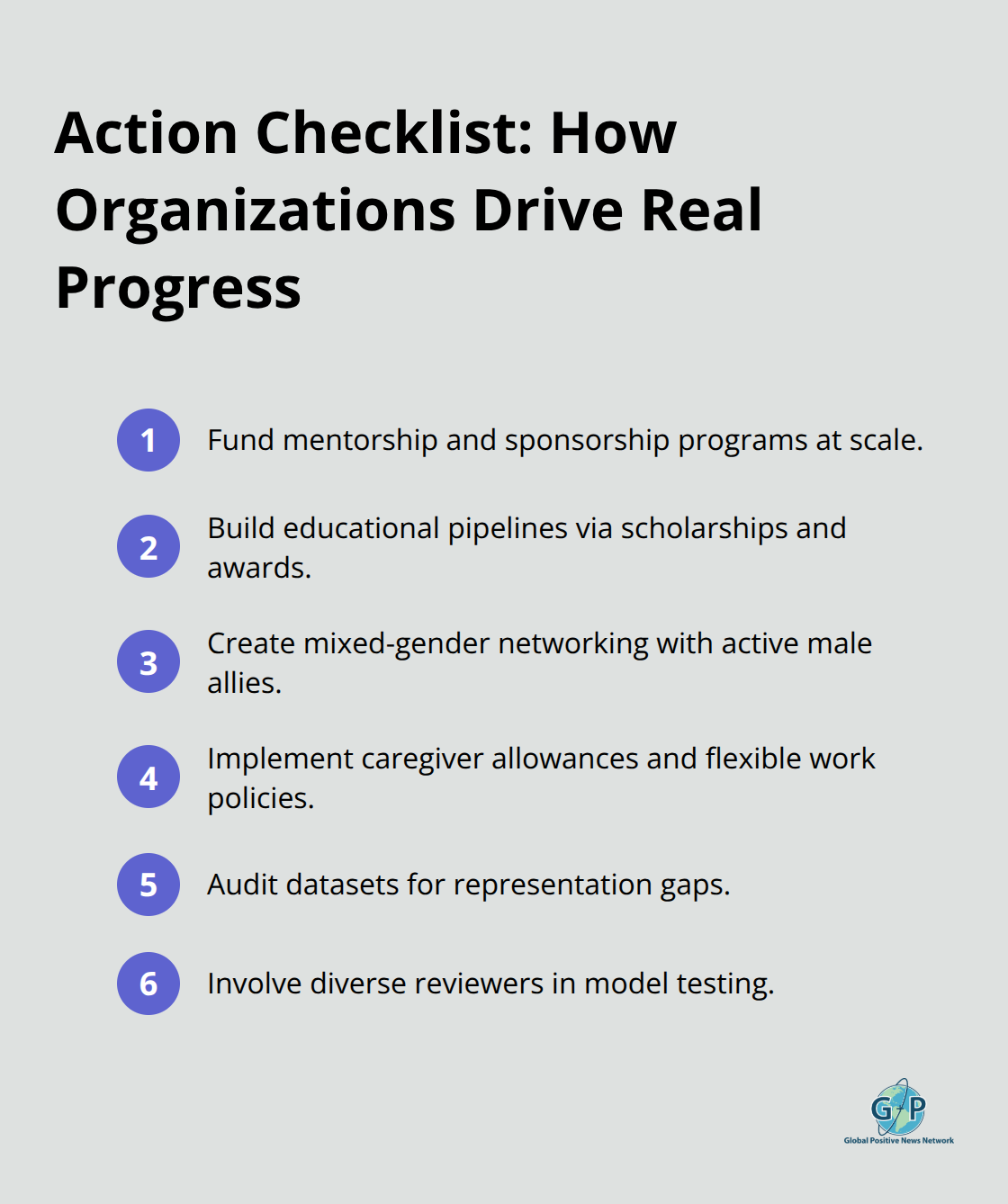
The retention crisis compounds this problem. Inclusive policies like caregiver allowances, flexible working arrangements, and benefits that support all employees-not just parents-directly improve whether women stay in tech roles. Companies that ignore these policies lose talent at higher rates. Women in cybersecurity and other tech fields also face the burden of proving their competence repeatedly. A woman with 11 years of experience moved from personal assistant to Threat Intelligence Knowledge Manager, yet she had to overcome assumptions about her background constantly. Her actual skills and willingness to learn mattered far more than traditional STEM credentials.
Why Diverse Teams Perform Better
The business case for fixing these barriers is concrete. Teams with above-average gender diversity are more likely to identify novel attack vectors in cybersecurity and 21% more effective at detecting incidents. Diverse teams challenge assumptions, reduce groupthink, and counter AI bias in security tools. Yet many organizations treat diversity as a checkbox rather than a performance lever.
Male allyship accelerates progress significantly. Mixed-gender events and networks that actively include male allies expand opportunities and shift culture faster than women-only initiatives alone. Inclusive communities and safe spaces where women genuinely feel they belong drive retention and advancement in ways that surface-level programs cannot match.
These barriers-hiring discrimination, sponsorship gaps, retention challenges, and cultural exclusion-explain why women remain underrepresented in tech leadership. The next section shows how women and organizations are dismantling these obstacles through concrete success stories and proven strategies.
How Women Are Reshaping Tech Through Action and Real Results
Leaders Transforming Tech at Scale
Women founders and leaders across tech move past inspiration into measurable impact. Alexandra Shtetinska at The Coca-Cola Company earned recognition as an HR and Program Manager, driving programs that reshape how tech talent develops. Asha Keddy at Intel received a Global Technology Leader Award, while Carol Kim at IBM was recognized as an AI and Data Science Leader of the Year. These aren’t ceremonial titles-they reflect women leading digital transformation at scale. Carol Kim’s work in AI and data science directly influences how IBM deploys intelligent systems across enterprise clients. Asha Keddy’s leadership at Intel shapes how the company approaches connected systems and hardware innovation. Shannon Nash at Wing demonstrates this shift even more directly-she moved into a CFO role, proving that women excel in strategic financial and operational leadership, not just technical execution.
Cross-Functional Strategy Over Technical Isolation
What separates these leaders from others is their willingness to move beyond coding into cross-functional strategy. They audited datasets for representation gaps, involved diverse reviewers in AI model testing, and led governance structures that translated AI investment into measurable business outcomes. Women who break into leadership roles combine technical depth with business acumen and actively build inclusive teams around them. This approach produces results that isolated technical expertise cannot match. Organizations that empower women to lead across functions-not just within engineering silos-accelerate innovation and reduce costly mistakes in AI deployment and digital transformation.
Structured Programs That Accelerate Careers
Mentorship and sponsorship programs that function at scale produce concrete career acceleration. Women in Tech, based in Falls Church, Virginia, operates across the DC metropolitan area with over 1,000 members and demonstrates how structured programs move women from entry-level roles to executive positions. Their Mentor-Protégé Program pairs mentors with protégés through orientation and multiple sessions, creating accountability beyond a single coffee meeting. The Leadership Foundry Program specifically targets women advancing into management roles, addressing the exact sponsorship gap that stalls careers. Educational initiatives like their Girls in Technology program provide scholarships and awards to young women, building the pipeline before bias takes hold.
Why Systematic Support Works
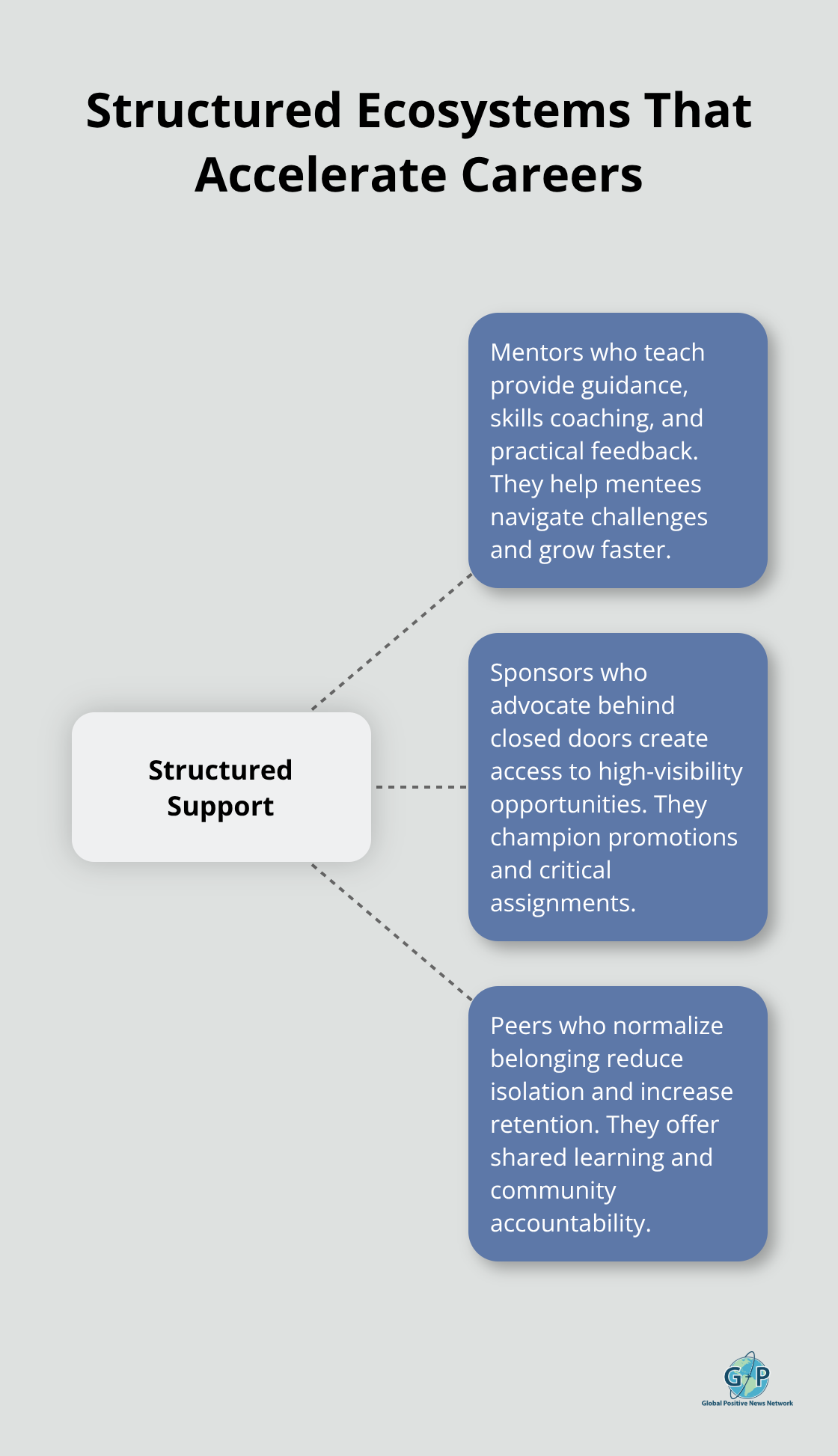
These programs work because they address barriers systematically. They provide mentors who offer guidance, sponsors who advocate behind closed doors, and peer networks that combat isolation. Corporate sponsorships fund these programs, meaning participating companies gain direct access to talent pipelines while contributing to solutions. Organizations with inclusive cultures and formal mentorship programs retain women at significantly higher rates than those without them. When women feel they belong in their communities, advancement accelerates and organizational performance improves. This foundation of belonging and structured support creates the conditions for the next critical shift: building broader ecosystems where women don’t just advance individually but reshape entire industries and organizational cultures.
Where Real Support Systems Actually Get Built
Structured Mentorship and Sponsorship at Scale
The infrastructure that advances women in tech isn’t aspirational-it’s transactional. Women in Tech, operating across the DC metropolitan area with over 1,000 active members, demonstrates exactly how structured ecosystems accelerate careers at scale. Their model works because it combines three specific components: mentors who teach, sponsors who advocate behind closed doors, and peers who normalize belonging. The organization pairs mentors with protégés through formal orientation and multiple structured sessions, eliminating the randomness of casual advice. Their Leadership Foundry Program targets women advancing into management roles specifically, addressing the exact sponsorship gap where talented women stall.
This program produces measurable movement from mid-level positions into executive roles.
Corporate sponsors fund these initiatives, which means participating companies gain direct access to vetted talent pipelines while contributing to solutions. The British Computing Society in the UK operates similarly, supporting tech professionals through continuous professional development and the Chartered IT Professional certification. This certification provides independent standards of competence that accelerate hiring and promotion conversations. These organizations succeed because they remove the burden of women figuring everything out alone.
Building Skills Before Bias Takes Hold
Educational programs that build skills before bias takes hold represent the second critical layer. Women in Tech’s Girls in Technology initiative provides scholarships and awards to young women, creating pathways into tech when stereotypes haven’t yet solidified. Early exposure and diverse role models directly challenge assumptions about who belongs in tech. Research shows that non-traditional backgrounds-moving from career counseling or finance into tech leadership-become viable when communities actively recruit beyond traditional STEM pipelines.
Professional certifications help women break stereotypes and access leadership roles and higher salaries. These connections prevent the skill gaps that organizations use to justify promotion denials. Women who maintain current certifications and credentials strengthen their position in advancement conversations.
Mixed-Gender Networking That Shifts Culture
Networking events specifically designed to include male allies expand opportunities faster than women-only initiatives alone. Mixed-gender spaces that actively welcome men committed to progress shift organizational culture more effectively than segregated programming. The Women in Tech Global Conference 2026 showcases this approach with dedicated tracks on AI and key tech topics, startup innovation, and career growth. These spaces allow women to encounter peers, sponsors, and role models simultaneously rather than sequentially.
Communities that function this way-combining formal mentorship, sponsor advocacy, skill development, and diverse networking-produce retention rates significantly higher than organizations relying on informal relationships or surface-level diversity programs. The practical reality is that women advance through systems designed specifically to accelerate them, not through osmosis or goodwill.
Final Thoughts
Women in tech positivity stems from measurable progress, not optimism alone. Women leaders at Intel, IBM, and Coca-Cola drive digital transformation at scale, while teams with above-average gender diversity detect security incidents 21% more effectively and identify novel attack vectors more frequently. Organizations that implement structured mentorship programs, formal sponsorship pathways, and inclusive policies retain women at significantly higher rates and make better decisions because diverse teams challenge assumptions and reduce groupthink.
Progress requires concrete action from organizations. Companies must fund mentorship and sponsorship programs at scale, build educational pipelines before bias takes hold through scholarships and awards, create mixed-gender networking spaces where male allies actively participate, and implement caregiver allowances and flexible working arrangements that support all employees. Women leaders audit datasets for representation gaps and involve diverse reviewers in model testing, which means organizations that treat gender diversity as a performance lever outperform competitors who treat it as a checkbox.
We at Global Positive News Network amplify these stories of progress and action because women reshaping tech deserve recognition and organizations building inclusive systems deserve visibility. The path forward remains clear: structured support, measurable outcomes, and sustained commitment to women’s advancement in tech produce results that transform industries.

Having a hard day?
The 2 Minute Hope Reset is a short free guide with three small practices for the days that feel heavy. Two minutes each, nothing to keep up with.
Get the free guideExplore more positive news:
Enjoying stories like this?
Global Positive News Network is reader-supported. If you’d like to support the mission, you can visit the Official GPNN store.