Digital technology is reshaping who gets access to opportunity. Billions of people now use smartphones to learn, earn, and build businesses from places that were once left behind.
At Global Positive News Network, we’ve seen how tech for accessibility transforms lives across continents. This post shows the concrete ways digital innovation is leveling the playing field.
How Digital Innovation Removes Geographic and Financial Barriers
Mobile Money Transforms Banking for the Unbanked
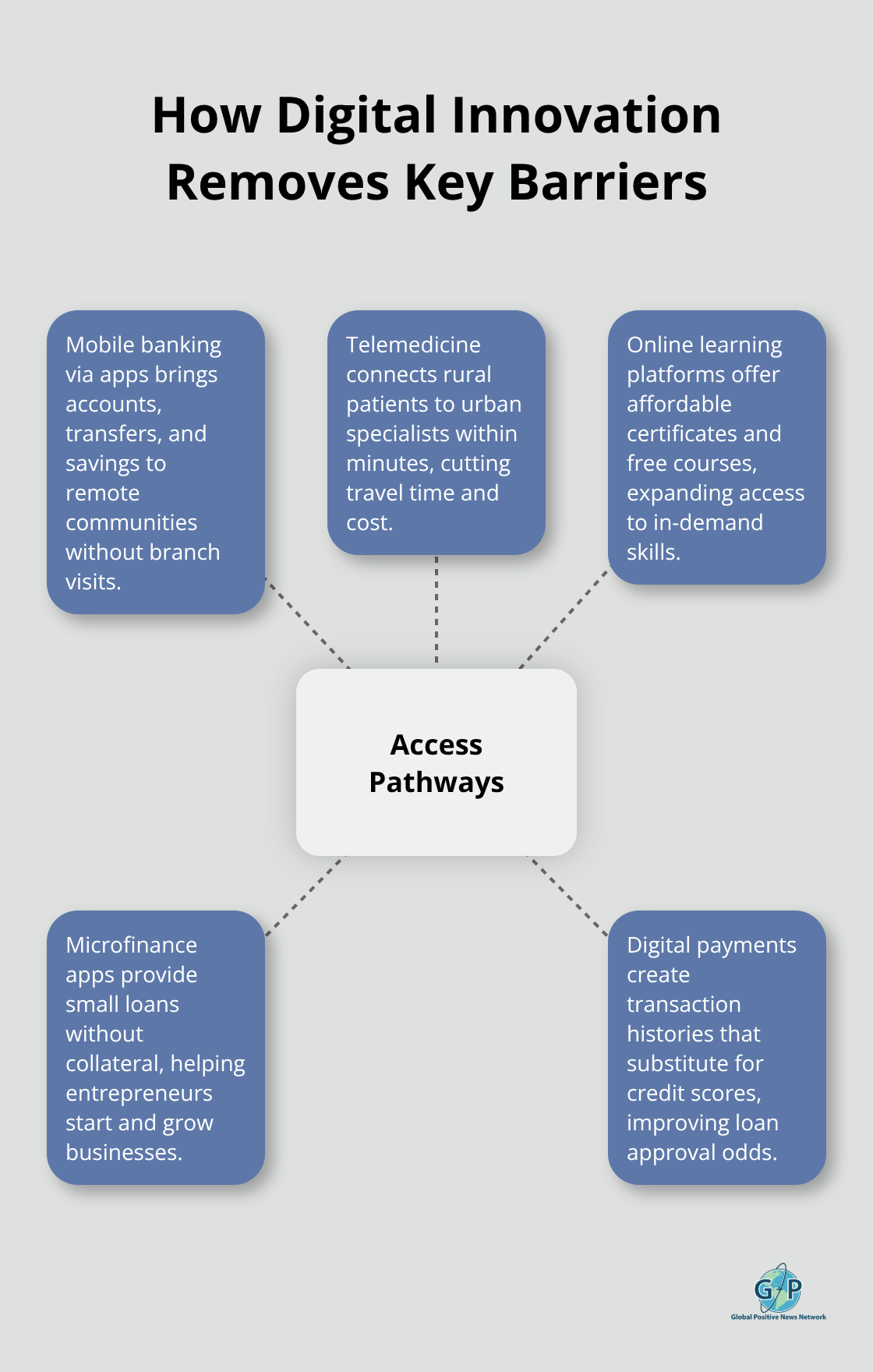
Digital innovation dismantles the gatekeepers that once controlled access to financial services, education, and healthcare. Remote communities now access banking through mobile apps instead of traveling hours to physical branches. Low-income households participate in the global economy without expensive infrastructure. Mobile-first solutions reach populations that skipped desktop internet entirely, moving straight to smartphones as their primary connection.
This shift happens right now across Africa, Southeast Asia, and Latin America. Mobile money services like M-Pesa in Kenya processed more than US$20bn in transactions, demonstrating how digital payment systems fundamentally change economic participation for people without traditional bank accounts. 40% of adults in developing economies saved in a financial account in 2024-a 16-percentage-point increase since 2021 and the fastest rise in more than a decade, showing how mobile financial services close the gap faster than any previous intervention.
Healthcare and Education Reach Remote Populations
Telemedicine platforms connect rural patients to specialists in major cities within minutes, eliminating travel costs and time away from work. Online learning platforms charge a fraction of traditional education costs-some offer free certificates in coding, digital marketing, and data analysis-making skill development accessible to anyone with internet access. Microfinance apps connect small entrepreneurs to capital without requiring collateral or credit history, enabling someone to launch a business from their phone with just a few hundred dollars.
Real Economic Transformation at the Individual Level
The practical impact matters more than the technology itself. A farmer in rural India accesses real-time crop prices through a mobile app, negotiates directly with buyers, and eliminates middlemen who previously captured 30–40% of profits. A woman in Uganda starts a clothing business using digital payment systems to collect customer payments and manages inventory through simple spreadsheet apps. A teenager in a remote village learns web development through free online platforms and freelances for international clients, earning income that transforms their family’s economic prospects.
This accessibility creates a multiplier effect: each person who gains digital access doesn’t just participate in the economy-they become a node in expanding networks that pull others forward. The infrastructure costs that once excluded billions have collapsed. A smartphone and internet connection cost less than a month’s wages in many developing regions, making participation financially realistic for populations previously locked out entirely.
These individual transformations reveal why digital tools matter so profoundly. When people gain access to capital, knowledge, and markets, they don’t simply improve their own circumstances-they reshape entire communities and economies.
How Digital Skills Transform Economic Prospects
Affordable Online Learning Creates Career Pathways
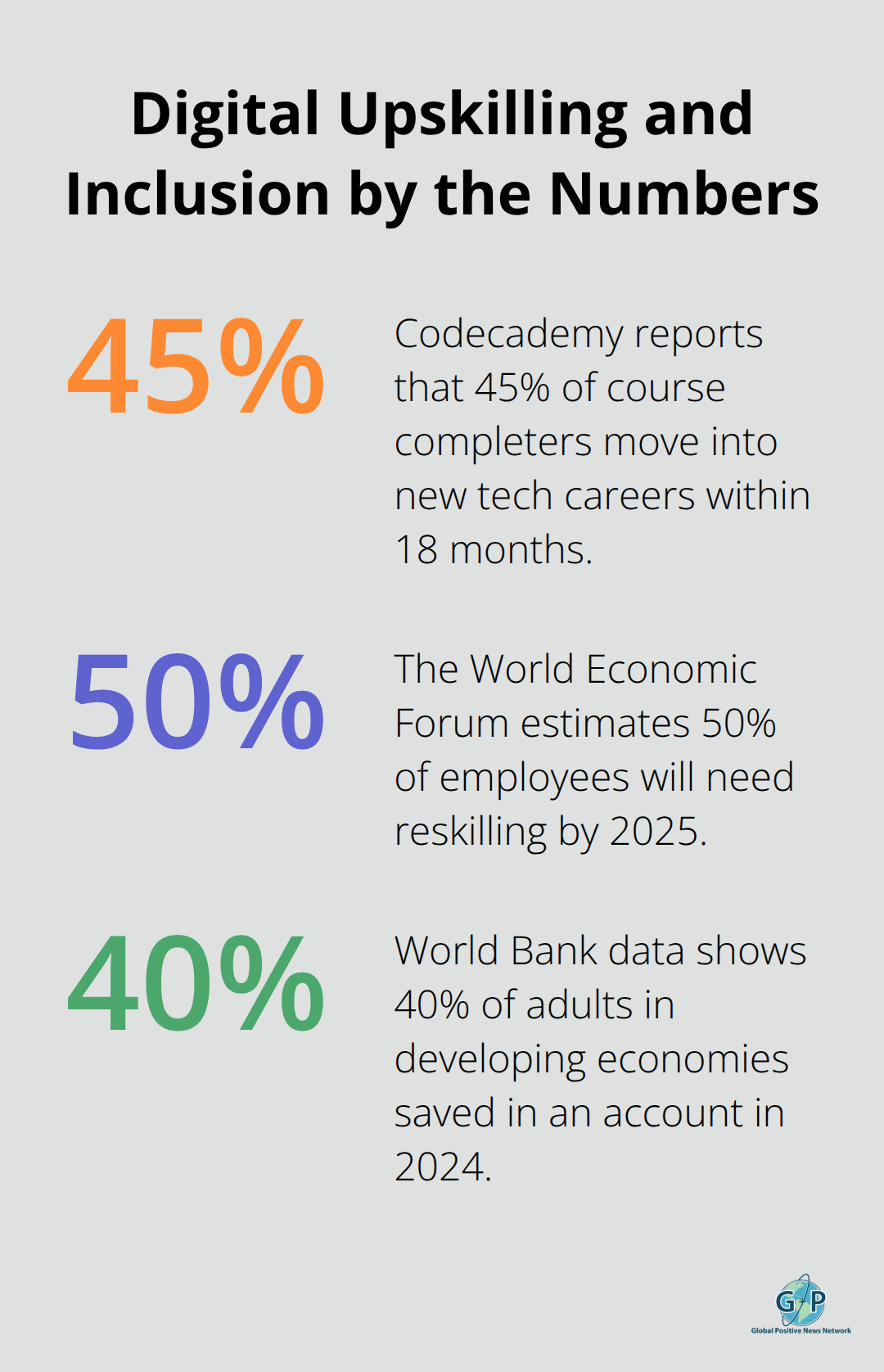
Free and low-cost online learning platforms have fundamentally changed who can access professional training. Coursera, edX, and Udacity offer certificates in data analytics, cloud computing, and web development that cost between $30–$200, compared to $10,000–$50,000 for traditional degree programs. A person in rural Philippines completes Google’s IT Support Professional Certificate for under $40 and qualifies for entry-level tech roles paying $35,000–$50,000 annually. Codecademy reports that 45% of learners who complete their courses transition into new tech careers within 18 months, proving that structured digital education directly converts to employment. The World Economic Forum found that 50% of all employees will need reskilling by 2025, and digital platforms now supply this training at scale without geographic or financial gatekeeping.
Digital Tools Eliminate Entrepreneurship Barriers
Entrepreneurship tools have demolished the barriers that once required significant capital, business registration fees, and access to banking networks. Shopify enables anyone to launch an e-commerce store for $29–$299 monthly without coding knowledge or warehouse space. Square and Stripe process payments for freelancers and small business owners in countries where traditional merchant accounts were impossible to obtain. A person in Nigeria registers a business, accepts international payments, and reaches global customers entirely through mobile apps and cloud services. Businesses launched through digital platforms in Africa accessed customers across borders immediately.
Design and Marketing Become Accessible to Everyone
Canva democratized graphic design by letting non-designers create professional marketing materials in minutes instead of hiring expensive agencies. These tools compress timelines from months to days. Someone validates a business idea, builds a minimum viable product, and launches to customers within weeks rather than securing loans and navigating bureaucratic registration processes that once took half a year. The practical result: digital entrepreneurship platforms have created millions of new business owners from populations that traditional finance systems rejected entirely.
These skill-building and entrepreneurship tools set the stage for something larger-they create networks of economically empowered individuals who then mentor others, invest in their communities, and accelerate opportunity for the next generation.
How Digital Innovation Delivers Real Opportunity
Microfinance Apps Replace Traditional Credit Systems
Microfinance apps shattered the myth that entrepreneurs need collateral or credit history to access capital. Kiva has funded over $2 billion in loans to small business owners across multiple countries, with a 96.4% repayment rate on average. A woman in Kenya borrowed $500 through a mobile app to expand her vegetable trading business without visiting a bank or proving creditworthiness through traditional means. She repaid the loan within months and accessed larger amounts for subsequent ventures.
M-Pesa in Kenya and similar mobile money services processed transactions that created verifiable financial histories for people previously invisible to formal banking systems. Digital payment records now substitute for credit scores, enabling lenders to assess risk accurately and approve loans that traditional banks rejected outright. The World Bank reports that access to formal financial accounts increased fastest in regions where mobile money adoption accelerated, proving that digital infrastructure directly converts to economic participation.
Telemedicine Eliminates Geographic Barriers to Healthcare
Telemedicine platforms eliminated the geographic penalty that rural populations faced for decades. A patient in rural India consulted a cardiologist in Mumbai through a video call for $15 instead of spending $200 on transportation, accommodation, and lost work days. Apollo Telemedicine Networking Foundation operates across 600 centers in India, handling over 100,000 consultations annually.
Rural clinics stocked basic diagnostic equipment and connected to specialists instantly, compressing decision-making from weeks to hours. Digital payment systems completed this transformation by allowing unbanked populations to pay for services without cash or bank transfers. Square and Stripe now operate in 135 countries, enabling merchants in regions where traditional payment infrastructure never existed to accept digital payments from customers worldwide.
Digital Payments Unlock Market Access for Vendors
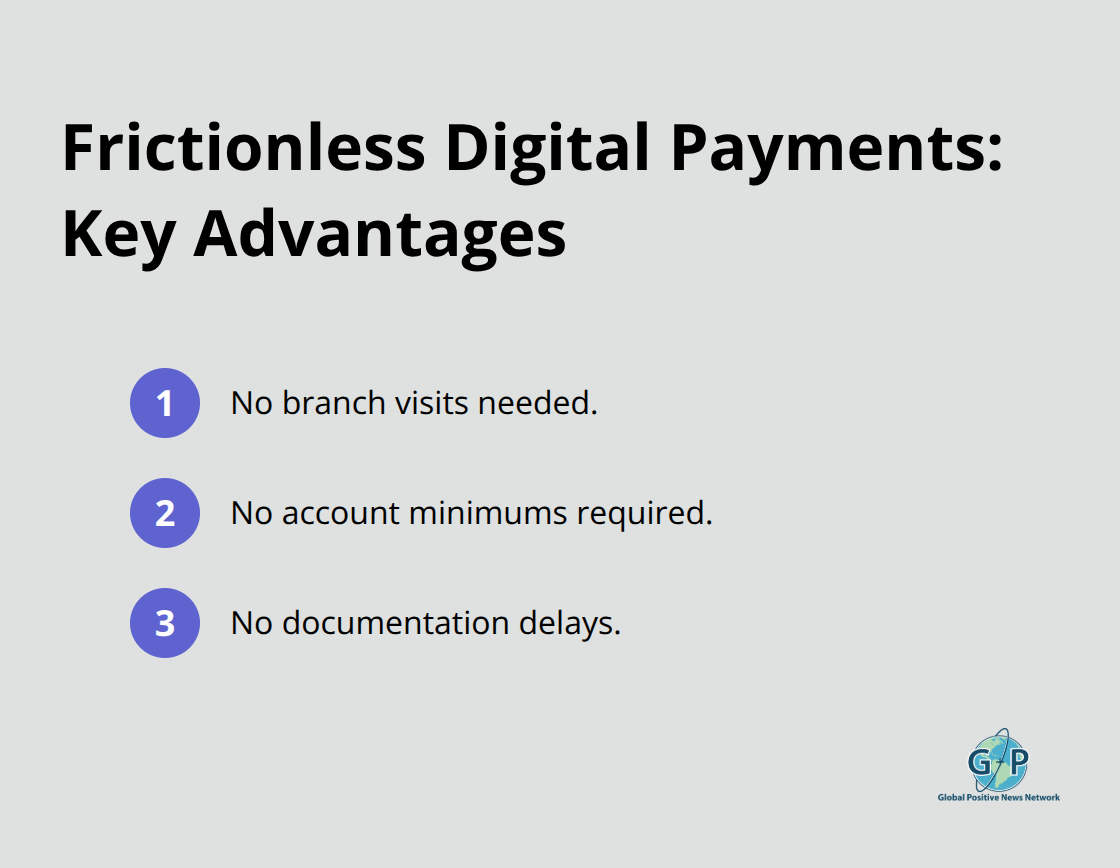
A vendor in Nigeria accepted payments from international buyers through mobile money, eliminating intermediaries who previously captured 25 percent of transaction value. These systems work because they reduce friction at every step: no branch visits, no account minimums, no documentation delays.
The practical outcome is economic inclusion at scale, where billions of people participate in markets that formal finance systems abandoned.
Final Thoughts
Digital innovation has fundamentally shifted who participates in the global economy. Mobile money services process billions in transactions for people without bank accounts, online learning platforms train millions for careers that pay competitive wages, and microfinance apps fund entrepreneurs rejected by traditional lenders. Tech for accessibility transforms lives across Africa, Asia, Latin America, and beyond-this shift is no longer theoretical but measurable and real.
What makes this transformation powerful is that it compounds across generations. A farmer who gains access to real-time market prices earns more and invests in their community, while a teenager who learns coding through free platforms and freelances internationally pulls their family forward and inspires peers to follow. Each person who gains digital access becomes a multiplier, expanding opportunity networks that reach further with each generation. The infrastructure costs that once excluded entire populations have collapsed, making participation financially realistic for billions previously locked out entirely.
We at Global Positive News Network document these stories of transformation because they reveal what happens when technology removes barriers instead of creating them. Sustained investment in digital infrastructure, affordable connectivity, and skills training programs must reach underserved communities if this momentum continues. Explore how positive impact startups are driving this change and discover the stories that show digital innovation opening doors for everyone willing to walk through them.
Having a hard day?
The 2 Minute Hope Reset is a short free guide with three small practices for the days that feel heavy. Two minutes each, nothing to keep up with.
Get the free guideExplore more positive news:
Enjoying stories like this?
Global Positive News Network is reader-supported. If you’d like to support the mission, you can visit the Official GPNN store.