
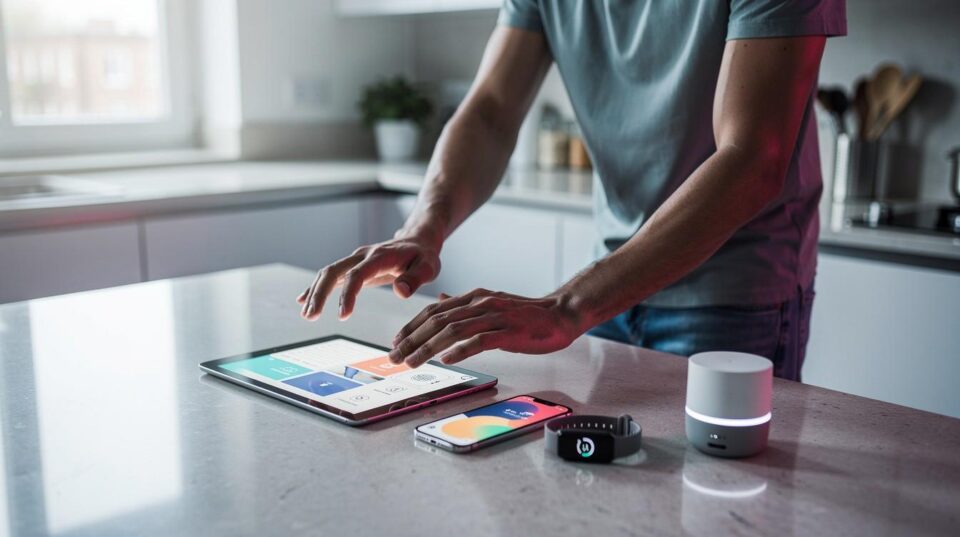
Technology is reshaping how we live, work, and connect with each other. At Global Positive News Network, we focus on positive technology news that shows real innovation improving everyday life.
From wearable devices tracking your health to apps bringing communities together, these advances are making a tangible difference. This post explores the technologies that matter most to you and your community.
How Everyday Tech Solves Real Problems Right Now
Wearable Health Devices Catch Problems Early
Wearable health devices have moved far beyond step counting. Smartwatches and fitness trackers now monitor heart rate variability, blood oxygen levels, and sleep quality with accuracy that rivals clinical equipment. Wearable health devices can detect irregular heartbeats weeks before traditional checkups would catch them. The Oura Ring tracks over 20 physiological signals and costs around $300 upfront with a $6 monthly subscription. Users report catching early signs of illness when resting heart rate patterns spike 2-3 days before symptoms appear. This approach shifts healthcare from reactive to preventive, letting people take action before problems escalate.
Smart Home Systems Cut Energy Bills Measurably
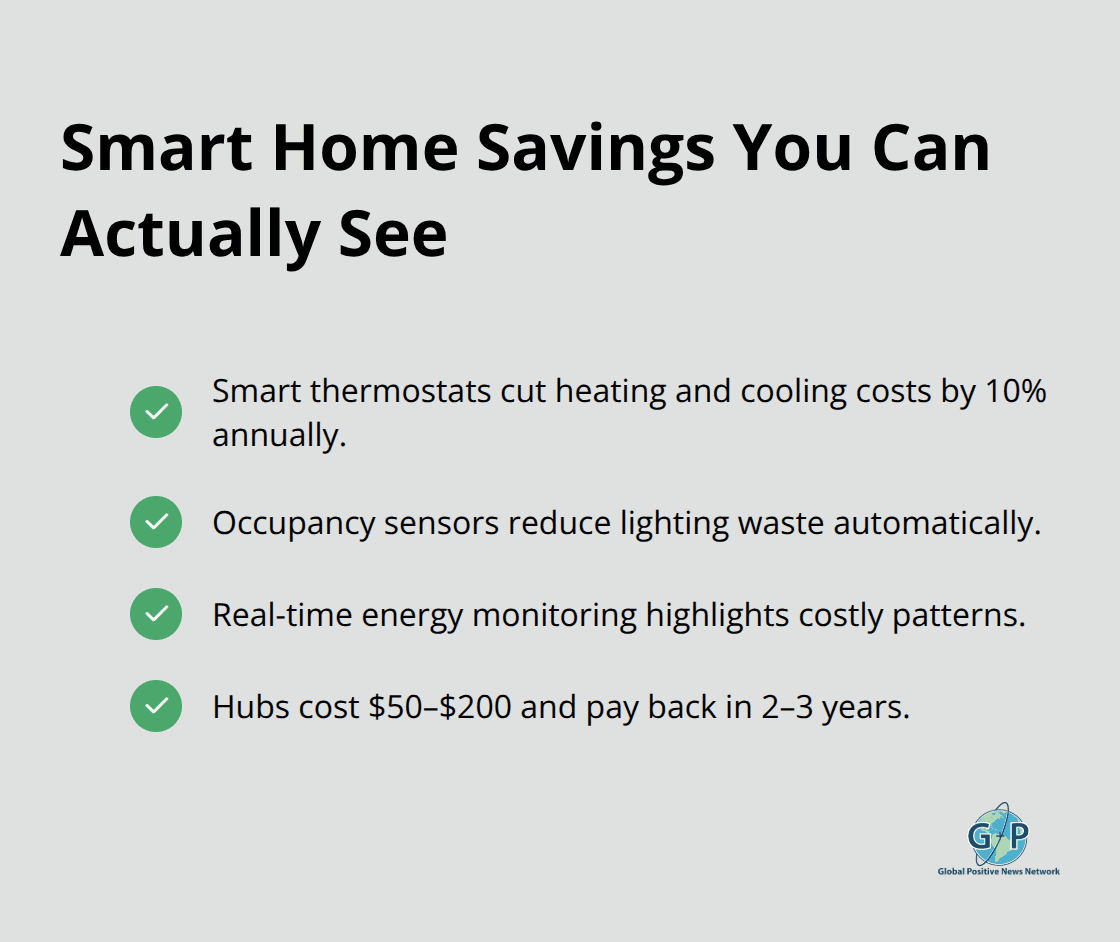
Smart home technology delivers concrete energy savings that show up on monthly bills. Installing a smart thermostat like the Nest or Ecobee typically reduces heating and cooling costs by 10% annually. A household spending $1,500 per year on heating and cooling would save $150 just from temperature automation. Smart lighting systems cut electricity use by another 10-20 percent when occupancy sensors turn off lights in empty rooms. The real advantage emerges when these systems work together-a smart home that combines automated heating, cooling, and lighting with real-time energy monitoring gives homeowners complete visibility into consumption patterns and immediate feedback on waste. Most smart home hubs cost between $50-200 and pay for themselves within 2-3 years through energy reduction alone.
Mobile Apps Connect Neighbors and Enable Action
Mobile apps focused on community connection change how neighbors actually help each other. Nextdoor operates in 300,000 neighborhoods across North America and has facilitated over $100 million in community giving since 2011. The platform lets residents post requests for help, share recommendations, and organize local initiatives. Hyper-local Facebook groups operate similarly, with some groups exceeding 50,000 active members in single neighborhoods. Apps like GiveDirectly and Charity: Water let users contribute to specific causes with transparent tracking that shows exactly where donations go. Bloodhound, a neighborhood app in the UK, connects people to donate surplus groceries to families facing food insecurity. These tools eliminate barriers between good intentions and actual action (making it frictionless to help within your immediate community).
These innovations represent just the beginning of how technology transforms daily life. The next section explores how telemedicine, AI accessibility tools, and social networks amplify this positive impact on a larger scale.
How Technology Expands Access to Healthcare and Support
Telemedicine Platforms Bring Medical Care to Your Home
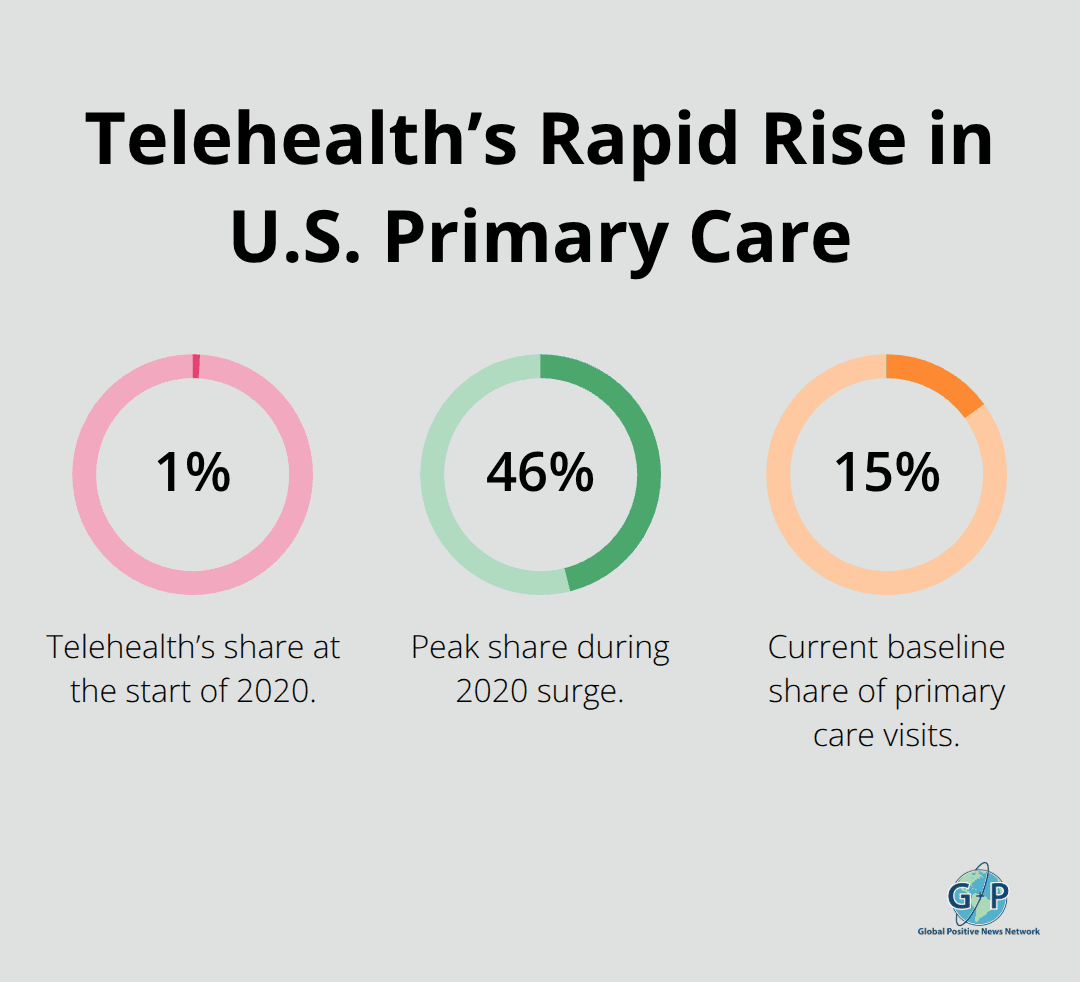
Telemedicine platforms bring medical care to your home have fundamentally changed who can access medical care and when. During 2020, telehealth visits in the United States jumped from 1% of all primary care visits to 46%, according to McKinsey research. That shift stuck-telehealth now accounts for roughly 15-20% of primary care visits even as in-person appointments resumed. Platforms like Teladoc and Doctor on Demand connect patients with licensed physicians within minutes, eliminating travel time and wait lists that previously kept people from seeking treatment.
Someone with mobility challenges, chronic illness, or limited transportation schedules a video appointment instead of missing care entirely. Rural areas benefit most dramatically-a patient in Montana accessing a cardiologist in Boston happens instantly rather than requiring a 6-hour drive. Costs matter too. Telehealth visits typically cost $40-80 compared to $150-300 for in-person appointments, making regular checkups affordable for uninsured or underinsured people. Insurance coverage has expanded accordingly, with most major plans now reimbursing virtual visits at rates matching physical appointments.
AI Tools Remove Barriers for People with Disabilities
AI-powered accessibility tools have removed barriers that previously confined people with disabilities to limited options. Voice control systems like those in Apple devices and Google Home let people with mobility limitations control their entire environment through speech alone. Text-to-speech and speech-to-text tools have become sophisticated enough that someone with hearing loss reads conversations in real time, while someone with dyslexia listens to written content. Be My Eyes pairs blind and low-vision users with sighted volunteers through video calls to help with tasks like reading labels or navigating unfamiliar spaces-the app now has nearly 500,000 blind or low-vision users. Accessibility-focused apps like Seeing AI from Microsoft describe physical surroundings, read text from images, and identify currency denominations. These tools cost nothing or charge modest monthly fees ($10-15), making independence affordable rather than reserved for wealthy individuals who could hire personal assistants.
Social Networks Transform Giving Into Action
Social networks have evolved into fundraising engines for charitable causes. Facebook Fundraisers generated over $2 billion for nonprofits since launching in 2015, with individual campaigns reaching thousands of supporters instantly. TikTok creators routinely raise six figures for specific charities through viral campaigns that mobilize millions of viewers. Reddit communities have coordinated donations to local food banks, disaster relief efforts, and medical emergencies-subreddits dedicated to charitable giving have facilitated hundreds of millions in contributions. The transparency works in donors’ favor too. GiveWell and Charity Navigator provide detailed impact metrics, showing exactly how overhead costs compare across organizations and what results each dollar produces. Someone can now verify that their $50 donation funds specific bed nets for malaria prevention or classroom supplies for students in developing regions rather than guessing whether a charity uses donations responsibly. This shift toward measurable impact and direct connection between donors and causes represents a fundamental change in how communities support each other. These healthcare and accessibility advances set the stage for understanding how technology addresses broader societal challenges-from environmental problems to community-wide social initiatives that shape entire neighborhoods and regions.
How Technology Tackles Environmental Problems and Builds Stronger Communities
Smart Systems Reduce Energy Waste at Scale
Technology now addresses environmental challenges with measurable results that extend far beyond corporate greenwashing. Smart grid systems monitor electricity distribution in real time, reducing waste and integrating renewable energy more efficiently. Apps like JouleBug gamify energy conservation by tracking household consumption and challenging users to reduce usage week over week, with participants typically cutting energy use by 5-12%. Carbon footprint calculators let people see exactly which activities generate emissions, then suggest specific changes with measurable impact. Someone using this tool finds that switching to a plant-based meal twice weekly cuts their dietary carbon emissions by roughly 20%, or that upgrading to LED bulbs eliminates approximately 75 pounds of CO2 annually.
Crowdsourced Data Transforms Conservation Efforts
Crowdsourcing platforms connect millions of users who photograph local wildlife and plants, creating datasets that scientists use to track biodiversity loss and identify conservation priorities. These platforms have generated over 180 million observations since 2008, fundamentally changing how researchers understand ecosystem health across regions. The scale of participation means that conservation efforts now rest on real-time data rather than outdated surveys. Scientists access information about species distribution, population trends, and habitat changes as they happen, allowing faster response to emerging threats.
Volunteer Platforms Match Skills to Community Needs
Digital platforms now coordinate social good initiatives with precision that traditional approaches never achieved. Volunteer management platforms match people with specific local needs rather than forcing volunteers to guess where they’re most useful. Organizations report 40% higher retention rates when volunteers work on projects aligned with their skills and interests. Funding platforms let community members vote on neighborhood improvement projects and fund winners directly, giving residents genuine control over local development.
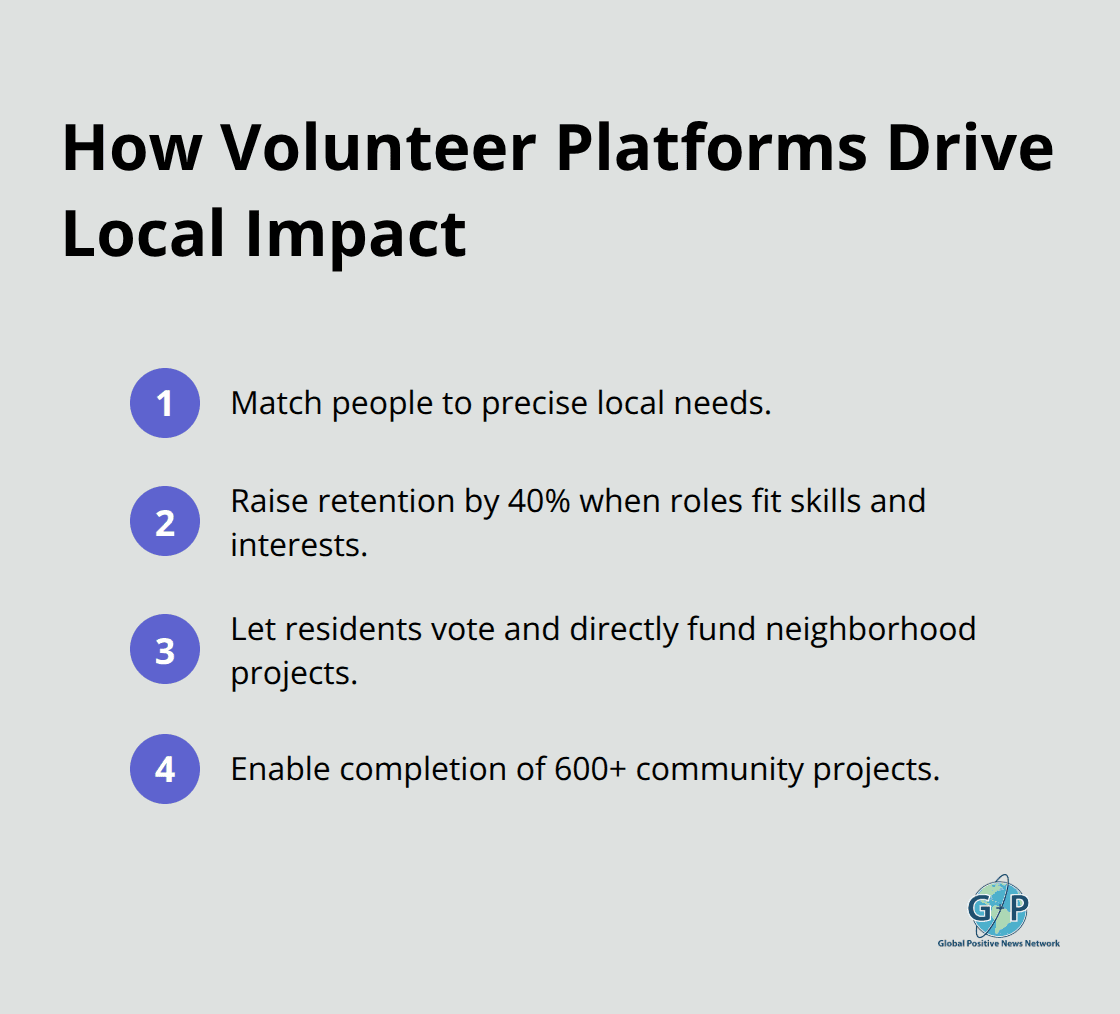
Neighborhoods using this approach have completed over 600 projects ranging from pocket parks to community gardens.
Transparency Builds Trust in Local Impact
Technology fosters human connection by removing friction from helping others and creating transparency that builds trust. Hyperlocal platforms document impact visibly, showing residents exactly how their contribution shaped their neighborhood. This combination of environmental accountability, organized giving, and visible connection creates momentum that isolated individual action never generates. When people see concrete results from their efforts (whether environmental data or community projects), they participate more consistently and recruit others to join them.
Final Thoughts
The technologies covered throughout this post solve real problems for real people right now. Wearable devices catch health issues early, smart home systems cut energy bills, mobile apps connect neighbors who want to help each other, telemedicine reaches people who couldn’t access care before, AI tools remove barriers for people with disabilities, and social networks fund causes transparently. These aren’t theoretical improvements-they represent measurable changes happening in homes and communities worldwide, and positive technology news matters because it shows what actually works instead of focusing on hype or problems.
Most of these tools cost nothing or charge modest fees, which means technology that improves life isn’t reserved for wealthy people. A smart thermostat pays for itself in 2-3 years, telemedicine visits cost $40-80 instead of $150-300, and AI accessibility apps cost $10-15 monthly or nothing at all. Start small by trying a community app like Nextdoor, scheduling a telehealth visit for your next checkup, installing smart lighting, or joining a crowdsourced conservation platform to photograph local wildlife.
Technology becomes truly powerful when it connects people to each other and to causes they care about. That’s where positive innovation creates momentum that isolated individual action never generates. Explore more stories of how communities and individuals use technology to build better lives at Global Positive News Network, where we highlight the innovations improving everyday life that are here now, waiting for you to use them.
Having a hard day?
The 2 Minute Hope Reset is a short free guide with three small practices for the days that feel heavy. Two minutes each, nothing to keep up with.
Get the free guideExplore more positive news:
Enjoying stories like this?
Global Positive News Network is reader-supported. If you’d like to support the mission, you can visit the Official GPNN store.