
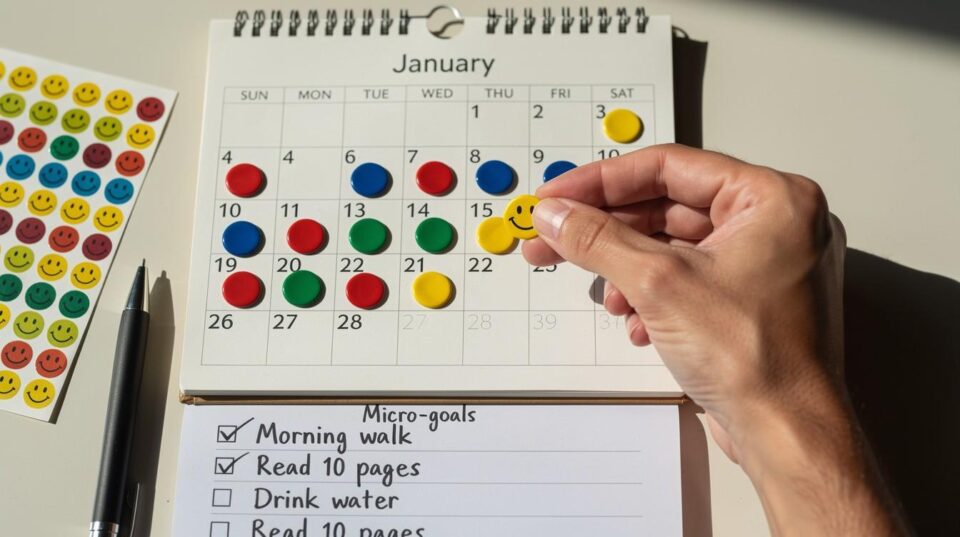
Most people wait for motivation to strike before making positive changes. At Global Positive News Network, we believe small daily practices are what actually rewire your mindset.
A daily positivity calendar transforms this approach by giving you a structured system to build momentum throughout the year. Instead of vague goals, you get concrete daily wins that compound into lasting happiness.
How Daily Positivity Calendars Actually Work
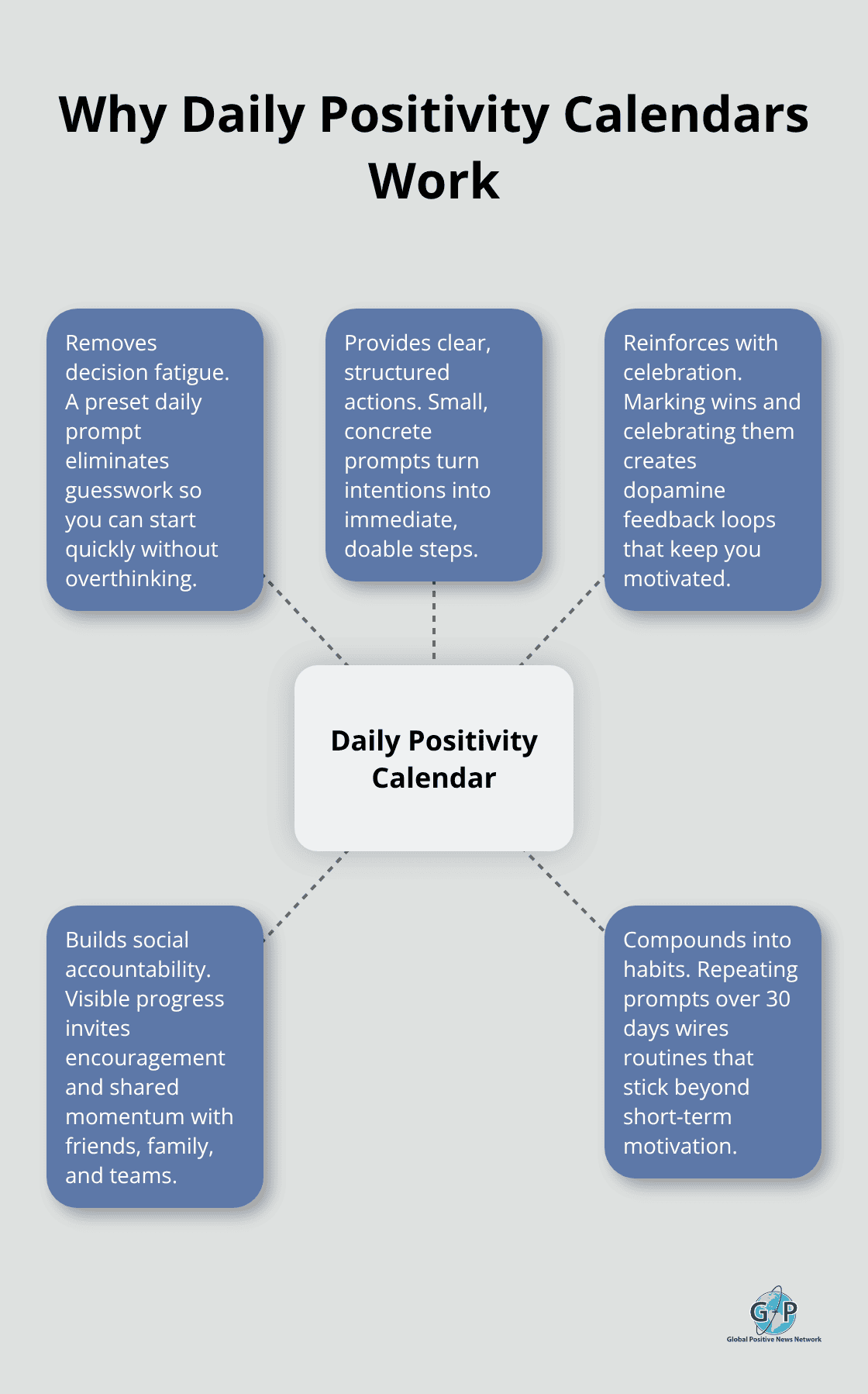
A daily positivity calendar isn’t just a pretty wall decoration. It’s a behavioral tool that combats what behavioral scientist BJ Fogg discovered: dopamine release from celebrating wins reinforces learning, boosts optimism, and strengthens social connections. The November 2026 Daily Positivity Calendar includes 30 daily prompts designed to spark small wins and big smiles-each prompt targets a specific action that creates immediate momentum. The calendar works because it removes decision fatigue from your day. Instead of wondering what positive action to take, you wake up to a concrete prompt like trying a new recipe, connecting with someone from a different generation, or taking a different route through your neighborhood. This structure transforms vague intentions into actionable steps.
Why Tracking Visible Progress Matters
Most people abandon their goals because they can’t see progress happening. A daily positivity calendar fixes this by creating a visual record of achievement. A daily ta-da list records completed tasks and milestones, providing a written record that you can actually see growing throughout the month. This matters more than theory suggests-when you physically mark off or write down a completed action, your brain registers the accomplishment differently than if you simply complete it and move on. The calendar format forces this tracking to happen automatically. You don’t need apps or complicated systems. You just check off the day or note what you did, and suddenly November has visible wins instead of feeling like a blur of unmemorable days. Meaningful celebrations paired with tracking maximize dopamine reinforcement by connecting wins to personal or team values. This is why celebrating proportionately after completing tasks reinforces the behavior you want to repeat.
Building Habits That Actually Stick
Daily prompts create what’s called habit stacking-linking small actions to form coherent routines. When a calendar tells you to practice a micro-reflection moment during your daily break to acknowledge progress with a short progress-oriented mantra, you’re not just feeling good for a moment. You’re wiring your brain to associate breaks with reflection and recognition. This consistency over 30 days rewires how your mind responds to progress. The calendar approach works because it converts routines into repeatable, measurable practices that support daily positivity. You’re not relying on motivation, which fluctuates. You’re relying on a system that makes the right action the obvious action every single day.
How Celebrations Amplify Your Results
Proportionate rewards after completing tasks reinforce the behavior you want to repeat. A nature walk, a five-minute dance party, or time with a vision board all work-the key is that you align the celebration with the win itself. Celebrations strengthen relationships with others too; when you share your progress with supportive people, you gain encouragement and accountability. This social reinforcement creates positive feedback loops that sustain momentum far longer than solo efforts. The calendar format naturally invites this sharing because visible progress prompts conversations. Your family sees the checked-off days. Your friends notice your energy shift. These moments of connection transform individual wins into collective momentum.
What Results Actually Come From Daily Positivity Practices
How Your Brain Responds to Visible Progress
Daily positivity practices produce measurable shifts in mental health and emotional resilience that extend far beyond temporary mood boosts. Research from behavioral psychology confirms that consistent recognition of small wins activates your brain’s reward system in ways that compound over time. When you track daily accomplishments through a calendar system, you rewire neural pathways that make resilience automatic rather than aspirational. The November 2026 Daily Positivity Calendar demonstrates this through its structured 30-day approach, where participants who engage with daily prompts report tangible improvements in how they handle setbacks. The key difference between people who sustain positive change and those who don’t comes down to one factor: they celebrate progress visibly and immediately. A five-minute nature walk after finishing a challenging task, a quick dance break after completing a goal, or simply writing down what you accomplished creates what neuroscientists call positive reinforcement loops. These actions aren’t luxuries-they represent the biological mechanism that keeps your brain motivated to repeat the behavior. Without this visible celebration and tracking, your accomplishments feel invisible, and your motivation evaporates within weeks.
Why Action Creates Motivation (Not the Other Way Around)
The relationship between daily positivity practices and motivation reveals something counterintuitive: motivation doesn’t create action; action creates motivation. When you complete a calendar prompt-whether that’s trying a new recipe, connecting with someone from a different generation, or exploring a new neighborhood route-you generate momentum that fuels the next day’s action. This momentum compounds when you share your progress with others. People who tell supportive friends or family members about their daily wins report higher follow-through rates because external accountability transforms private goals into social commitments. Research on workplace engagement shows that teams acknowledging small wins collectively maintain morale during difficult periods far better than teams that ignore incremental progress.
How Social Connection Sustains Long-Term Momentum
Social connection strengthens further when celebrations happen together. A daily positivity calendar naturally facilitates this sharing because your visible progress becomes a conversation starter. Your family sees the checked boxes. Your colleagues notice your energy shift. These moments of connection transform isolated wins into collective momentum that sustains motivation across months, not just days. The calendar format removes the friction from this process-you don’t manually track or send updates; the system itself creates visibility that invites participation and recognition from your circle. This social reinforcement creates positive feedback loops that sustain momentum far longer than solo efforts ever could. When others witness your progress and acknowledge it, you activate accountability mechanisms that keep you moving forward even when personal motivation dips.
Build Your Calendar Without Overthinking It
The biggest mistake people make when starting a positivity calendar is waiting for the perfect system. You don’t need an expensive app, a designer’s aesthetic, or a complicated tracking method. The November 2026 Daily Positivity Calendar comes in three formats-ICS, PDF, and JPG-specifically because different people work differently. Some print it and hang it on their refrigerator. Others download the digital version and set phone reminders for each prompt. The format matters far less than consistency.
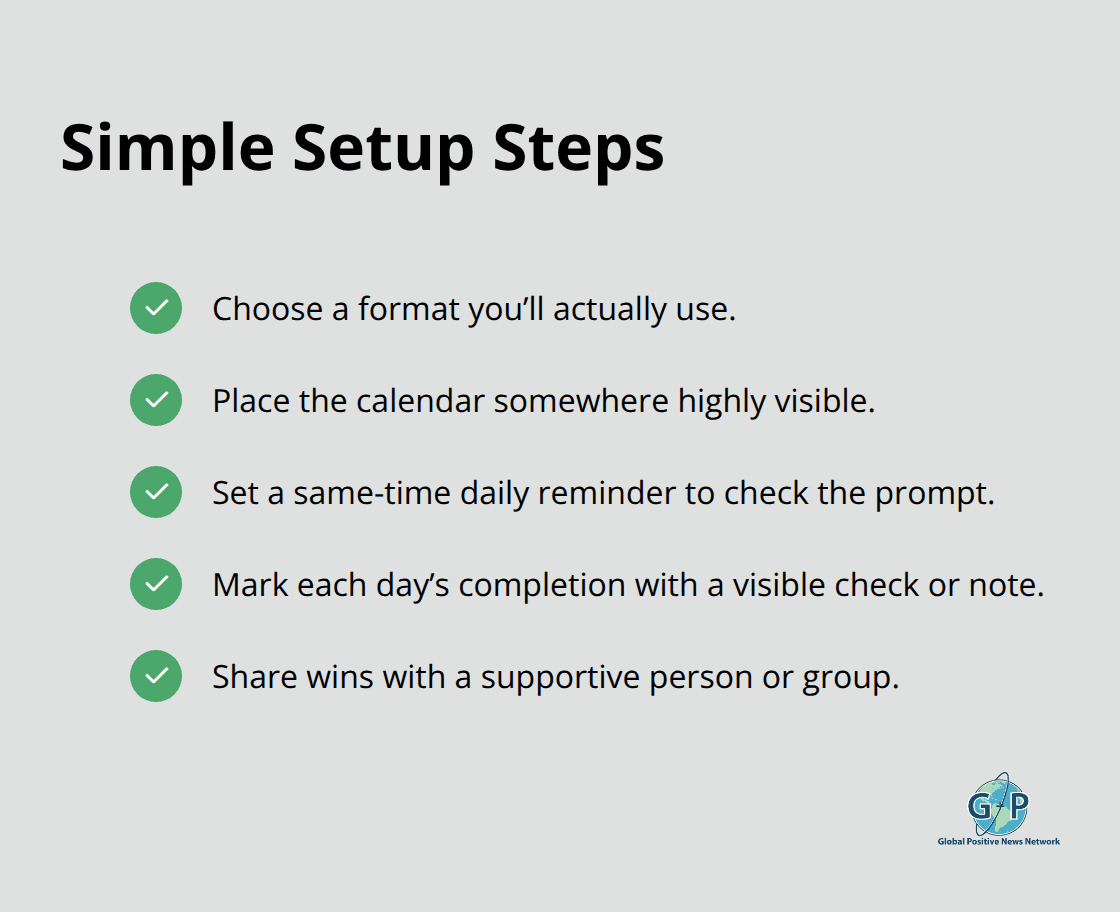
Pick whichever version you’ll actually look at every single day, then stop second-guessing the choice.
Place Your Calendar Where You’ll See It Daily
If you print it, use a pen you enjoy writing with and place it somewhere visible-your kitchen, your desk, your bathroom mirror. Visibility drives action. Research on habit formation shows that environmental cues trigger behavior more reliably than willpower alone. A calendar you see every morning becomes a prompt your brain responds to automatically. If you prefer digital, set a notification at the same time each day. The specificity matters-not just any time, but a time you’re actually awake and available to engage with the prompt for five to ten minutes. This consistency trains your nervous system to expect the practice, which reduces the mental effort required to start.
Align Prompts With What Actually Matters to You
The calendar includes prompts across seven life domains: relationships, time management, mental health, nutrition, home organizing, physical exercise, and money management. You don’t have to engage with every domain equally.
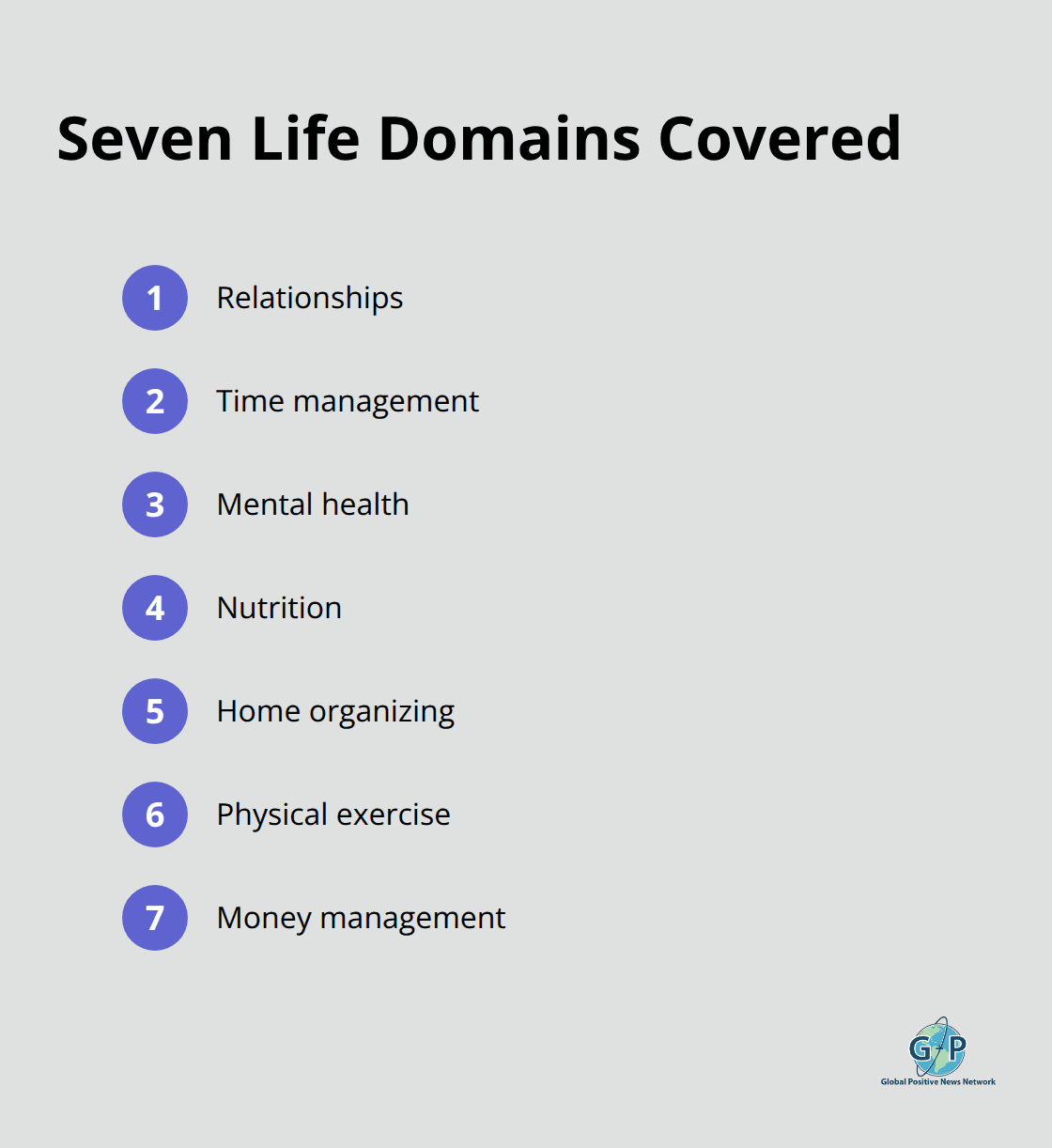
If relationships drain your energy and physical activity energizes you, weight your daily practice toward movement and exercise. If cooking feels like a chore, skip the culinary exploration prompts and focus on the ones that spark genuine curiosity. This isn’t about forcing yourself through every category-it’s about honest self-assessment.
The prompts work because they fit into existing schedules. Trying a new recipe takes 30 minutes. Connecting with someone from a different generation takes a phone call or coffee meeting. Taking a different route through your neighborhood takes no extra time. These aren’t massive life overhauls; they’re deliberate micro-actions that produce real results. When you customize the calendar to your actual interests and capacity, completion rates jump dramatically. People who force themselves through irrelevant prompts quit by day twelve. People who choose prompts aligned with their values sustain the practice for months.
Track Completion in a Way That Feels Good
Write what you did or simply check the box. That’s it. No elaborate journaling required, no detailed reflection unless you want it. The act of marking completion activates your brain’s reward system. A visual mark-a checkmark, a sticker, a line through the date-creates the dopamine response that reinforces the behavior. Some people keep a separate ta-da list where they write one sentence about what they accomplished. Others photograph their marked calendar each week. The method doesn’t matter as much as the visibility. You need to see your progress accumulating.
That visible streak of completion becomes its own motivation. When you’re tempted to skip a day, you see the unbroken chain and feel resistance to breaking it. This psychological principle requires no complex system to activate. A simple mark on paper harnesses the power of visible progress far more effectively than any app or digital tracker could.
Final Thoughts
A daily positivity calendar transforms mindset by replacing vague aspirations with concrete daily actions that compound into lasting change. The shift happens quietly at first-a checked box here, a small win there-but after 30 days, your brain has rewired itself to expect progress and recognize accomplishment. You stop waiting for motivation and start generating it through action, which is the real power of this system.
Getting started requires nothing more than choosing your format and placing it somewhere you’ll see it daily. Print the November 2026 Daily Positivity Calendar and hang it on your refrigerator, or download the digital version and set a daily reminder (the format matters far less than consistency). Pick one and commit to engaging with a single prompt each day for the next 30 days.
Long-term momentum comes from three practices: tracking your completion visibly, celebrating proportionately after each win, and sharing your progress with people who support you. These activate the reward systems that sustain behavior change across months and years, not just weeks. We at Global Positive News Network believe that small daily wins create the foundation for lasting transformation-your year of positive change starts with a single day and a single prompt.
Having a hard day?
The 2 Minute Hope Reset is a short free guide with three small practices for the days that feel heavy. Two minutes each, nothing to keep up with.
Get the free guideExplore more positive news:
Enjoying stories like this?
Global Positive News Network is reader-supported. If you’d like to support the mission, you can visit the Official GPNN store.