

Team morale directly impacts productivity and employee retention. We at Global Positive News Network believe that positivity tips for coworkers aren’t luxuries-they’re business essentials.
This guide shows you exactly how to build genuine team spirit through practical, everyday actions. You’ll find concrete strategies that work in real workplaces.
Create a Positive Work Environment
Leadership Sets the Foundation
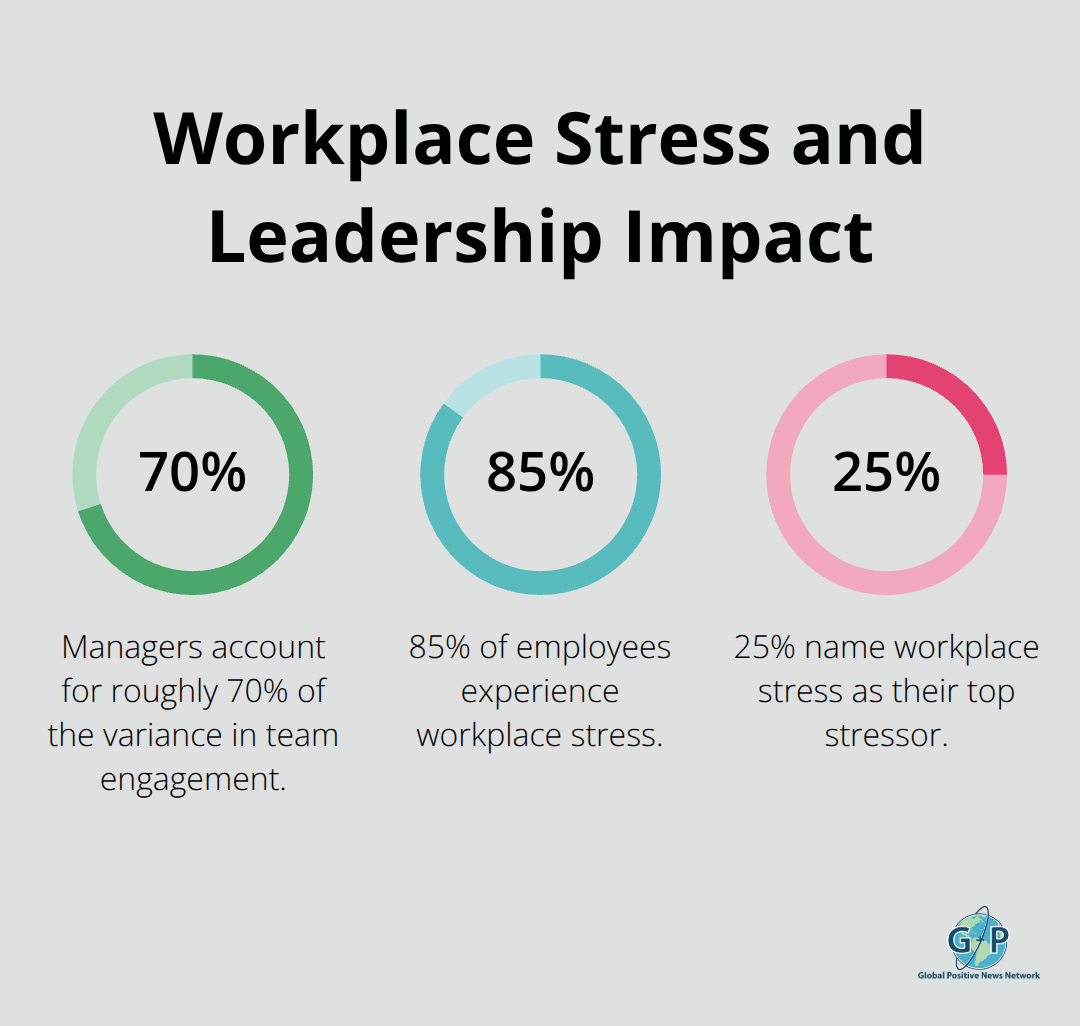
Leadership behavior shapes team culture more than any policy ever could. According to Gallup’s 30-year study of over 183,000 teams, managers account for roughly 70% of the variance in team engagement, making your personal approach to optimism the foundation of workplace positivity. When leaders visibly handle setbacks with composure and focus on solutions rather than blame, teams mirror that behavior. This doesn’t mean forced cheerfulness or ignoring problems-it means acknowledging difficulties while maintaining confidence in the team’s ability to move forward.
The American Institute of Stress reports that 85% of employees experience workplace stress, with 25% naming it as their top stressor. When managers demonstrate genuine optimism through their actions (staying calm during pressure, asking for input before deciding, admitting mistakes openly), employees feel safer being themselves and contributing fully.
Celebrate Specific Actions and Progress
Most teams wait until major milestones to celebrate, missing dozens of opportunities to build momentum. Small wins sustain motivation across long projects. A product-launch team used a structured approach to set achievable goals and weekly check-ins, which helped deadlines get back on track and morale improve within weeks. Celebrate specific actions, not vague efforts. Instead of saying the team did great work, name exactly what made a difference: how someone solved a technical problem creatively, how someone helped a struggling colleague, or how someone met a tight deadline.
Gallup’s research shows that recognizing diverse contributions in real time reinforces trust, boosts morale, and strengthens shared pride. Real recognition takes 30 seconds and costs nothing, yet it directly counters the stress culture many workplaces breed. Schedule brief moments in team meetings to highlight concrete wins from the past week, even if they’re small. This practice shifts focus from what’s broken to what’s working, which measurably improves how teams handle future challenges.
Make Recognition Authentic and Individual
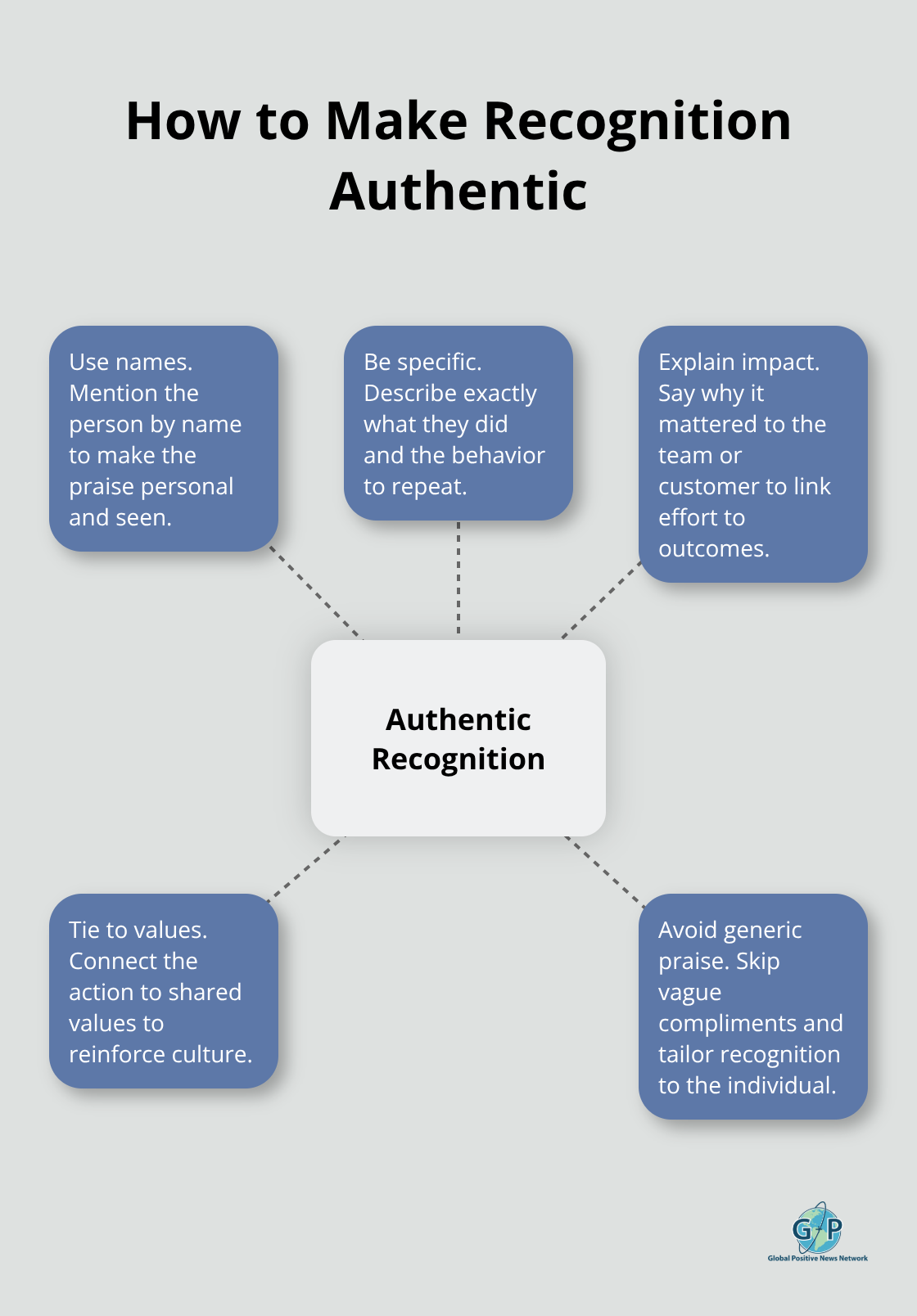
Public recognition works only when it’s authentic and specific to the individual. Gallup found that 96% of employees cite empathy as a key factor in staying with a company, and empathy starts with seeing people as individuals, not roles. When you recognize contributions, mention the person’s name, describe exactly what they did, explain why it mattered to the team or customer, and connect it to shared values.
This transforms recognition from a morale tactic into genuine acknowledgment.
Teams that receive regular, meaningful recognition show measurably higher engagement and retention. The impact extends beyond the recognized person-teammates watching this happen understand what excellence looks like and feel motivated to contribute similarly. Avoid generic praise or recognition that could apply to anyone. Instead, make each person feel specifically valued for their unique strengths and contributions. This foundation of genuine appreciation creates the trust necessary for stronger team connections to develop.
Build Real Connection at Work
Trust Emerges From Genuine Connection
Trust forms the foundation of team spirit, and trust emerges from genuine connection, not forced activities. Gallup’s 30-year study of over 183,000 teams revealed that the strongest teams emphasize meaningful coaching conversations and recognition, both of which deepen interpersonal bonds. Regular team bonding activities work best when they serve a clear purpose beyond entertainment. A product-launch team that defined roles and weekly check-ins through structured meetings saw morale improve within weeks because the activities reinforced how teammates depend on each other. The key difference between activities that build connection and those that waste time is intentionality.
Schedule Bonding With Clear Purpose
Schedule bonding at least monthly, but tie each activity directly to how people work together. Speedstorming blends rapid one-on-one conversations with rotations and ensures every pair connects while surfacing ideas that might never emerge in large group settings. Three to five minute paired sessions with compiled outputs create shared understanding of how different minds approach problems. Common Thread activities (which take about 30 minutes with 10 or more people) help teams discover non-obvious shared interests that reduce divides and boost genuine connection. These activities work because they reveal who people actually are, not just their job titles.
Listen With Full Attention
Listening with full attention transforms ordinary conversations into moments where people feel genuinely seen. Most workplace conversations involve people waiting for their turn to speak rather than truly understanding the other person’s perspective. When team members practice active listening, they hear concerns early before they become conflicts, they understand each colleague’s strengths more accurately, and they build the psychological safety necessary for honest collaboration.
Implement Peer Recognition and Vulnerability
Start peer recognition programs where colleagues specifically describe what they noticed in each other’s work and why it mattered. This practice trains people to listen for excellence and articulate value. Encourage team members to share relevant personal stories during meetings, which reveals motivation, background, and what drives different people. A manager who mentions struggling with a project deadline and how a colleague’s help made the difference invites others to be vulnerable and ask for support. These small moments of authentic sharing create the trust that transforms groups into genuine teams and sets the stage for the practical daily habits that sustain positivity.
Daily Habits That Sustain Team Positivity
Open Meetings With Gratitude
Each meeting should open with team members sharing one thing they appreciate, either work-related or personal. This takes three to five minutes and shifts mental focus away from problems before diving into agenda items. Research from Gallup shows that teams with regular meaningful conversations experience stronger engagement, and gratitude rounds create psychological safety by normalizing vulnerability from the start. When a manager mentions appreciating a colleague’s support during a difficult week, it signals that acknowledging help is valued, not weakness.
These opening moments directly counter stress culture by anchoring attention on what’s working. After two weeks of consistent gratitude rounds, team members stop needing prompts and begin offering appreciation naturally, which deepens the habit into genuine team culture rather than a forced exercise.
Implement Peer Recognition Programs
Peer recognition programs work best when structured around specific observation rather than general compliments. Create a simple system where team members write one sentence describing exactly what a colleague did well that week and why it mattered, then share these during a five-minute slot in team meetings. Peer recognition programs reinforce trust and strengthen shared pride because they come from colleagues rather than management alone.
The person offering recognition practices articulating what excellence looks like, the recognized person receives specific feedback about their impact, and observers understand concrete behaviors that drive results. This structured approach transforms vague praise into actionable insight that shapes how teams understand performance and value.
Protect Time for Wellness and Recovery
Wellness initiatives must be non-negotiable time, not optional extras. Schedule 15-minute breaks every 90 minutes where people step away from screens, and actively protect these breaks from being consumed by meetings. Regular breaks improve focus and productivity during working periods, yet most teams skip them under deadline pressure, which backfires by reducing the mental clarity needed to solve problems efficiently.
Encourage team members to use breaks for genuine rest-walking outside, stretching, eating lunch away from desks-not for checking email. When leaders take visible breaks themselves and return visibly refreshed, they normalize the practice and demonstrate that sustainable productivity requires recovery time. This commitment to rest signals that the organization values long-term performance over short-term hustle.
Final Thoughts
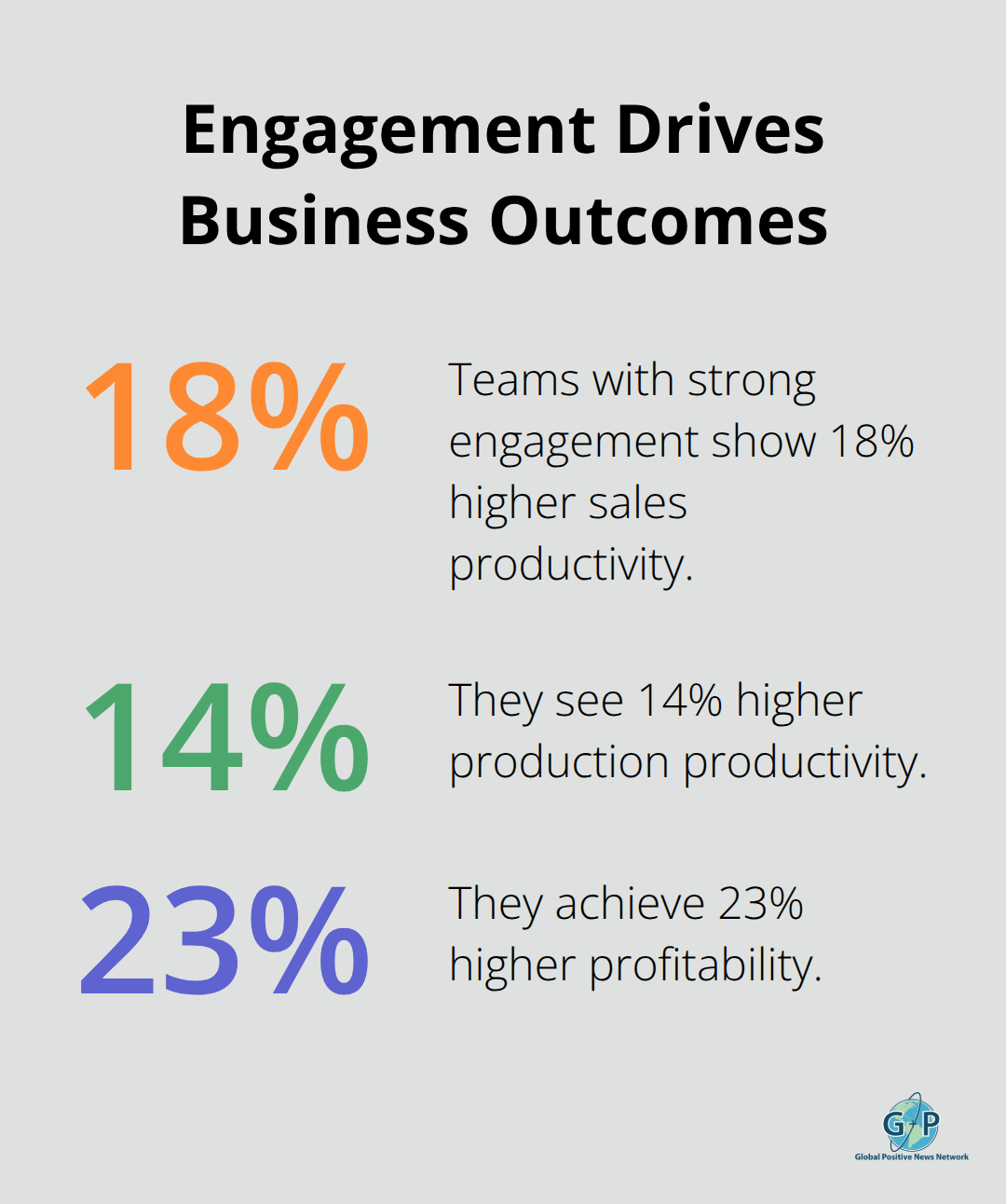
Building team spirit requires sustained commitment to how your team shows up for each other daily. The positivity tips for coworkers outlined in this guide work because they rest on real workplace dynamics, not theoretical ideals. Gallup’s research across 183,000 teams confirms what effective leaders already know: meaningful coaching conversations, specific recognition, and genuine connection drive engagement and measurably improve business outcomes-teams with strong engagement show 18% higher sales productivity, 14% higher production productivity, and 23% higher profitability.
The foundation of positive workplace culture rests on three pillars. Leaders must model optimism and authenticity, since managers account for roughly 70% of the variance in team engagement. Teams need structured moments for connection-gratitude rounds, peer recognition, and bonding activities with clear purpose-that reveal who people actually are beyond their job titles. Daily habits like protecting wellness time and celebrating specific wins sustain momentum across long projects and difficult periods, and none of these require budget or elaborate planning.
Start with one practice this week. If your team struggles with stress, open your next meeting with a three-minute gratitude round; if recognition feels hollow, shift to peer recognition where colleagues describe exactly what they noticed and why it mattered. For ongoing inspiration and stories about teams thriving through positivity, visit Global Positive News Network. The work you do to build team spirit matters far beyond your organization-it creates ripples of positivity that extend into how your teammates show up in their families and communities.
Having a hard day?
The 2 Minute Hope Reset is a short free guide with three small practices for the days that feel heavy. Two minutes each, nothing to keep up with.
Get the free guideExplore more positive news:
Enjoying stories like this?
Global Positive News Network is reader-supported. If you’d like to support the mission, you can visit the Official GPNN store.