
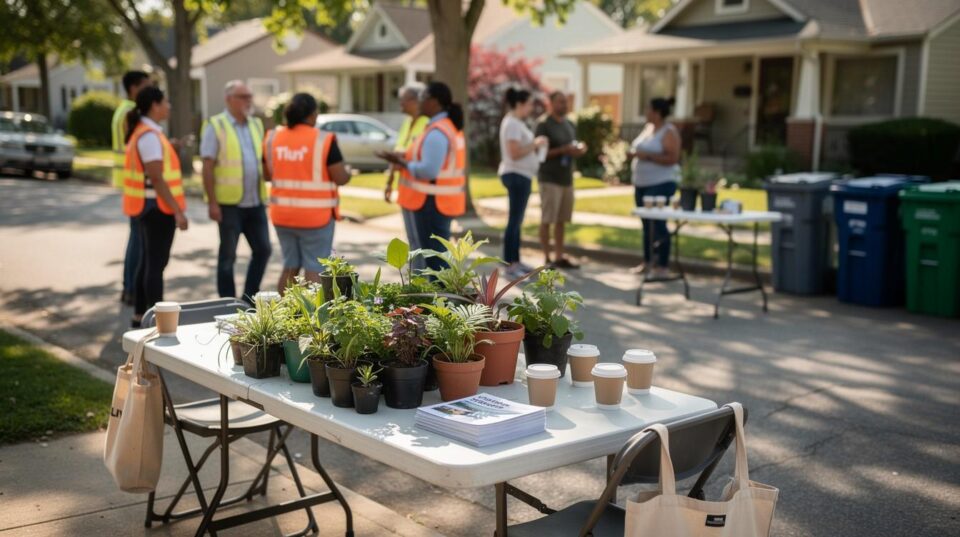
Community positivity initiatives in 2026 are reshaping how neighborhoods support each other. From volunteer networks to workplace wellness programs, local communities are proving that meaningful change starts close to home.
At Global Positive News Network, we’ve seen firsthand how these grassroots efforts create real impact. This post explores the programs, movements, and success stories driving positive change in communities everywhere.
How Communities Are Rebuilding Support Systems
Volunteer Networks Transform Local Action
Volunteer participation in the United States reached 28.3% of the population age 16 and up between September 2022 and 2023, according to the U.S. Census Bureau, and this momentum has only accelerated through 2026. Local neighborhoods no longer wait for large institutions to solve problems-they organize their own networks to address immediate needs. A person volunteering three hours weekly at a neighborhood food bank knows exactly which families need help and can respond faster than any government agency. Mental wellness circles meeting in community centers create accountability that isolated therapy sessions cannot match.
Food Banks and Resource Centers Expand Rapidly
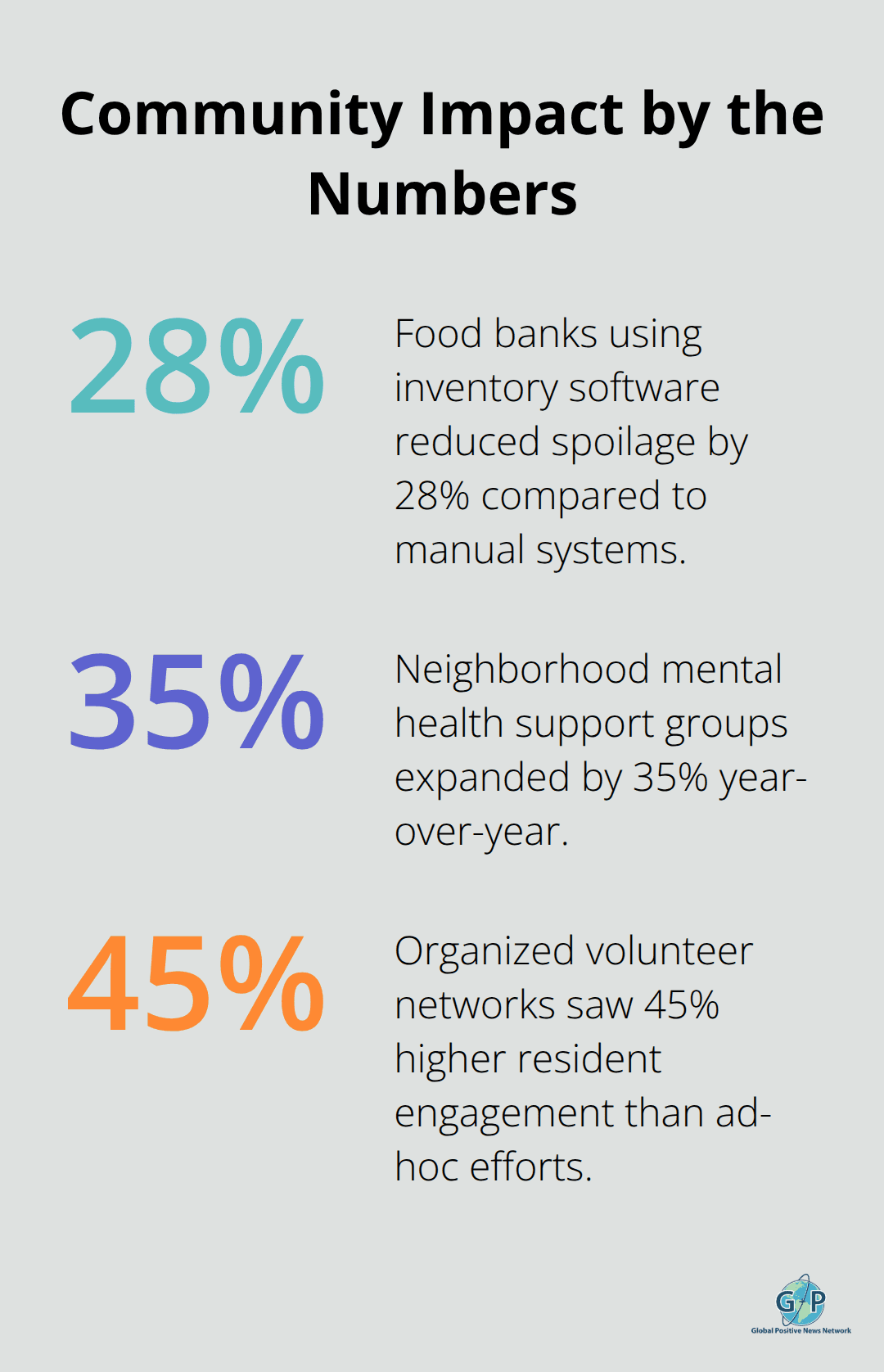
Food banks now use inventory management software to track donations and prevent waste, reducing spoilage by 28% compared to manual systems. This operational sophistication means communities distribute resources more efficiently while residents gain meaningful work and genuine connection-two things that combat the isolation epidemic affecting millions. Food assistance usage has grown, with charitable food assistance reaching 6.8% of households by May 2024.
Mental Health Support Fills Critical Gaps
Mental health support groups operating through neighborhood centers have expanded by 35% year-over-year, filling gaps that traditional healthcare systems have not addressed. Mental health initiatives partner with licensed counselors who train peer facilitators, creating sustainable support without burning out professionals. These programs work because they rest on trust and proximity rather than distant bureaucracy.
Systems Replace Good Intentions
Volunteer coordinators deploy scheduling apps that match skills to needs-someone with nursing experience gets placed at health clinics rather than sorting cans. Communities with organized volunteer networks report 45% higher resident engagement than those with ad-hoc efforts. Neighborhoods implementing structured wellness programs see measurable improvements in reported life satisfaction scores. The practical reality is that community positivity rests on systems that respect people’s time, distribute responsibility fairly, and produce tangible outcomes that residents can see and feel (not on good intentions alone).
What separates these initiatives from past community work is their operational sophistication and measurable results. Grassroots movements across the country now demonstrate that when residents take control of their own support systems, transformation happens faster and deeper than top-down approaches allow. This foundation of trust and local ownership sets the stage for the youth-led projects and neighborhood initiatives that are reshaping entire communities.
Grassroots Movements Driving Local Change
Youth Leaders Launch Environmental Projects at Scale
Youth leaders mobilizing community environmental projects aged 15–24 organize through social media, recruit peers with specific skills, and execute projects within weeks rather than waiting for permission or funding. A 17-year-old in Portland started a neighborhood native plant restoration program that now involves 60 residents and transformed three vacant lots into pollinator habitats. Young leaders communicate differently than traditional nonprofits; they use Instagram and TikTok to show real-time progress rather than annual reports, creating urgency and visibility that attracts participation from neighbors who might otherwise stay uninvolved.
Small Business Owners Shift Strategy Toward Community Investment
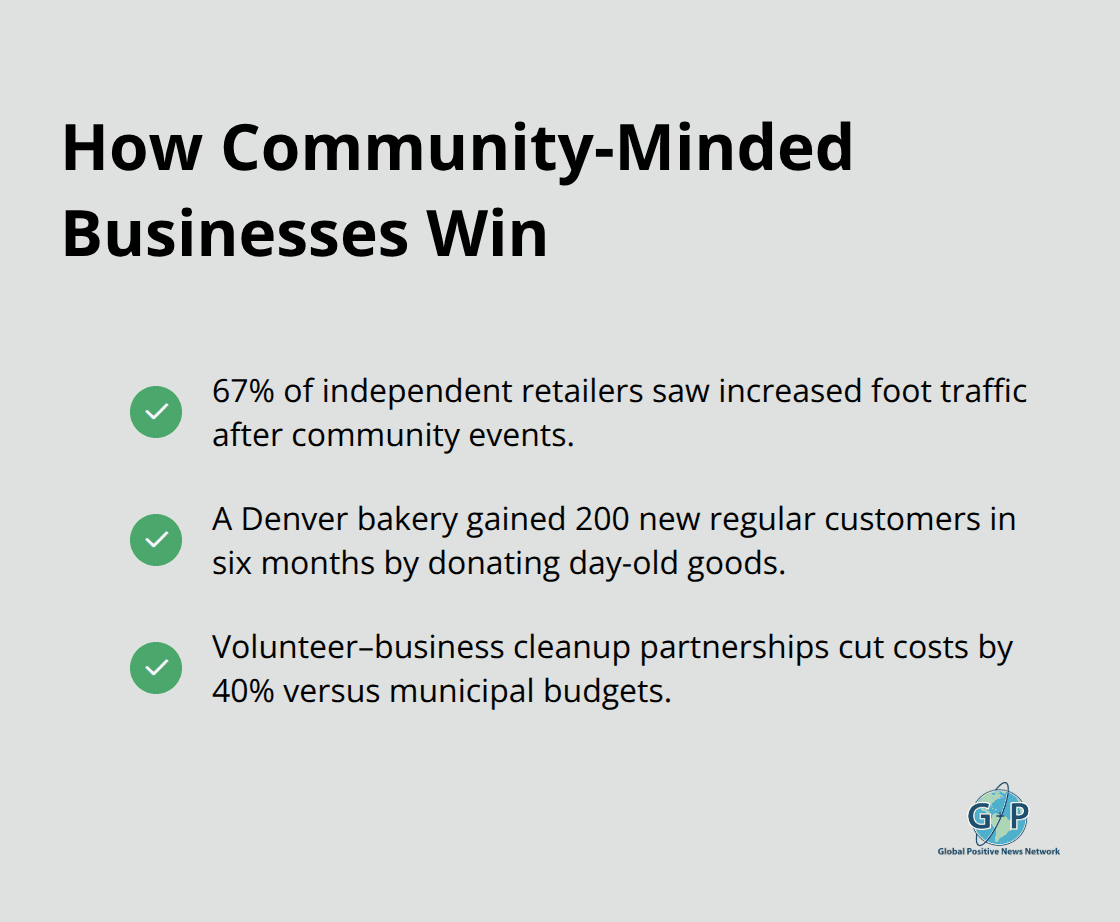
Local business participation in community positivity efforts has shifted dramatically. Small business owners now view community investment as a direct customer loyalty strategy rather than charity-67% of independent retailers reported increased foot traffic after hosting neighborhood events or sponsoring local cleanup days. A bakery in Denver donates day-old products to neighborhood food initiatives and gained 200 new regular customers within six months. Environmental cleanup efforts pair neighborhood volunteers with local landscaping companies, creating employment while improving public spaces; companies provide equipment and expertise while residents provide labor, reducing costs by 40% compared to municipal budgets.
Economic Multiplier Effects Strengthen Neighborhoods
Neighborhoods that organize quarterly cleanup events with local business participation report higher property values and stronger resident retention rates. Economic multiplier effects from community investment show that when neighbors band together to pick up litter and clear away debris, two big benefits emerge: economic growth and environmental protection. This economic multiplier effect transforms how communities think about public space maintenance-it becomes an investment strategy rather than an expense. These grassroots actions and business partnerships create momentum that extends far beyond environmental improvements, setting conditions for workplace wellness programs and family-centered initiatives that reshape entire communities from the inside out.
What Makes Positivity Programs Actually Work in Schools, Workplaces, and Homes
Schools Transform Behavior Through Structured Kindness
Schools that implement structured kindness curricula report measurable shifts in student behavior and academic performance. A kindergarten through fifth-grade program tracking daily kindness actions found that students who participated in peer recognition systems showed 23% fewer disciplinary incidents and scored higher on standardized reading assessments. The key difference separating successful programs from ineffective ones is specificity: schools that assign kindness roles (gratitude recorder, peer helper, inclusion champion) see sustained participation, while generic kindness posters produce no behavioral change. Teachers who model and reinforce specific prosocial behaviors create accountability structures that stick. Elementary schools that pair kindness curricula with family engagement components report stronger outcomes because parents reinforce the same behaviors at home, creating consistency that isolated classroom efforts cannot achieve.
Workplaces Improve Retention With Measurement and Recognition
Workplaces that measure employee wellbeing through quarterly engagement surveys and act on the data see retention rates improve by 18-22% within the first year. A manufacturing company in Ohio implemented a peer recognition system where employees nominate colleagues for monthly awards with specific behavioral examples rather than generic praise, and exit interview feedback shifted dramatically toward feeling valued and seen. Most organizations treat wellness as an isolated HR program instead of integrating it into daily operations and leadership behavior. Managers who receive training to notice and acknowledge employee contributions create cultures where people show up differently. Recognition tied to observable actions produces real engagement shifts.
Families Strengthen Bonds Through Intentional Time
Families that build stronger connections report higher life satisfaction when they establish weekly rituals with clear purposes: one family designates Sunday dinners for sharing challenges without judgment, another schedules monthly one-on-one time between each parent and child focused entirely on that person’s interests. These interventions are not complex; they require deliberate time allocation with full attention. Families that thrive at strengthening bonds stop relying on screen time as connection and instead create spaces where each member feels genuinely known. Neighborhoods where multiple families coordinate these practices together report stronger friendships between children and more robust support networks for parents navigating stress.
The Pattern That Produces Real Change
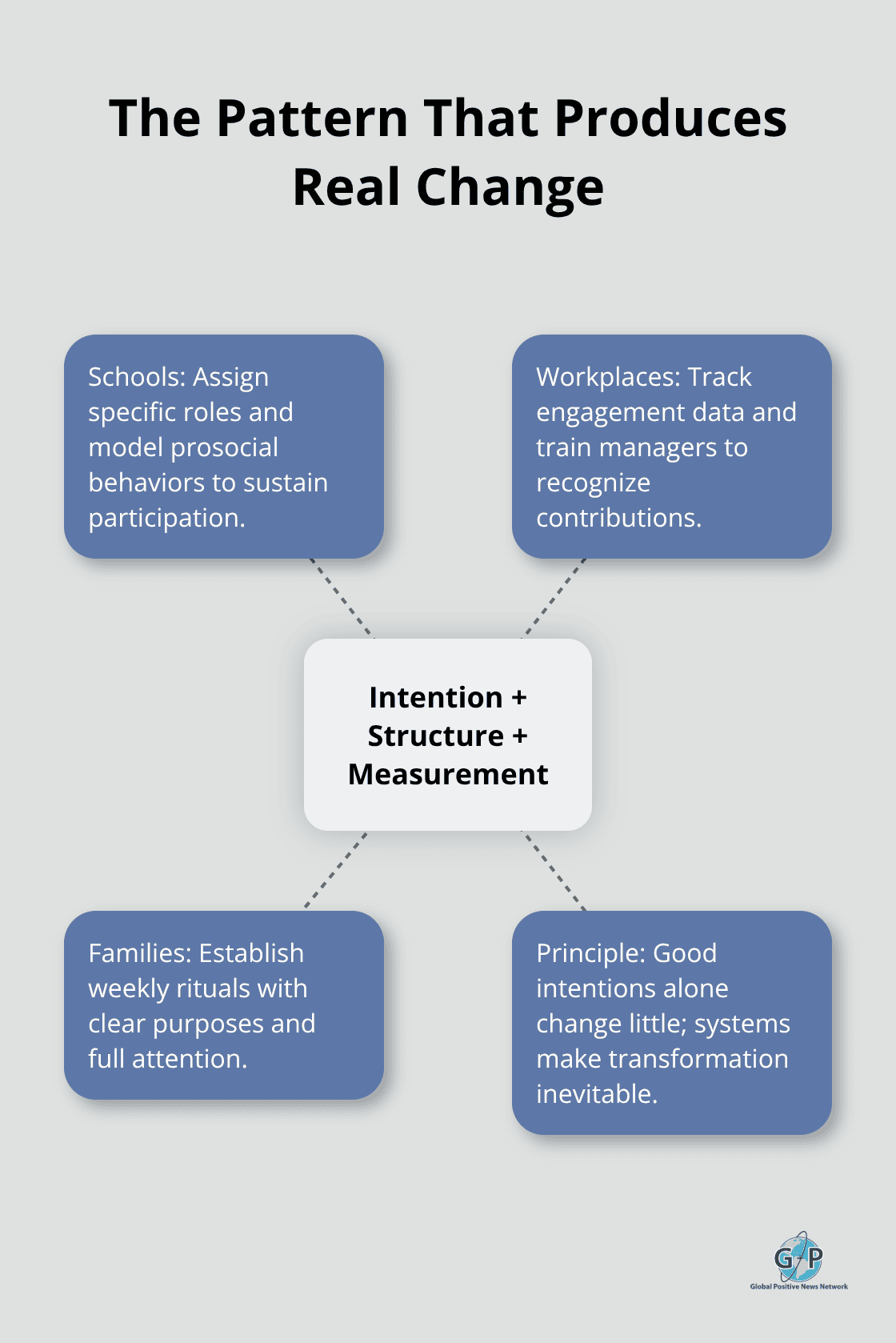
Intention plus structure plus measurement produces real change across schools, workplaces, and homes, while good intentions without systems produce nothing. Schools assign specific roles rather than posting generic messages. Workplaces track engagement data and train managers to recognize contributions. Families establish rituals with defined purposes and full attention. The organizations and households that succeed stop hoping for transformation and instead build the systems that make transformation inevitable.
Final Thoughts
Community positivity initiatives in 2026 prove that lasting change requires three elements working together: clear intention, operational systems, and measurable outcomes. Volunteer coordinators use scheduling apps, schools assign specific kindness roles, and workplaces track engagement data quarterly. This shift from vague aspirations to concrete systems separates initiatives that transform neighborhoods from those that fade after initial enthusiasm.
Starting or joining a community positivity initiative in your area begins with identifying a specific problem rather than a general desire to help. A neighborhood with food insecurity needs a resource center with inventory management, not another donation drive. A workplace struggling with retention needs manager training and peer recognition systems, not a wellness poster campaign. A school wanting kindness to stick needs assigned roles and family engagement, not assembly speeches about being nice.
The ripple effect of local positive action extends far beyond immediate participants (a neighborhood cleanup that involves 30 residents and two local businesses attracts new volunteers, increases property values, strengthens business customer loyalty, and creates employment opportunities). We at Global Positive News Network document these stories because they prove that ordinary people with organized systems create extraordinary change. Your neighborhood, workplace, or school contains the same potential.
Having a hard day?
The 2 Minute Hope Reset is a short free guide with three small practices for the days that feel heavy. Two minutes each, nothing to keep up with.
Get the free guideExplore more positive news:
Enjoying stories like this?
Global Positive News Network is reader-supported. If you’d like to support the mission, you can visit the Official GPNN store.