
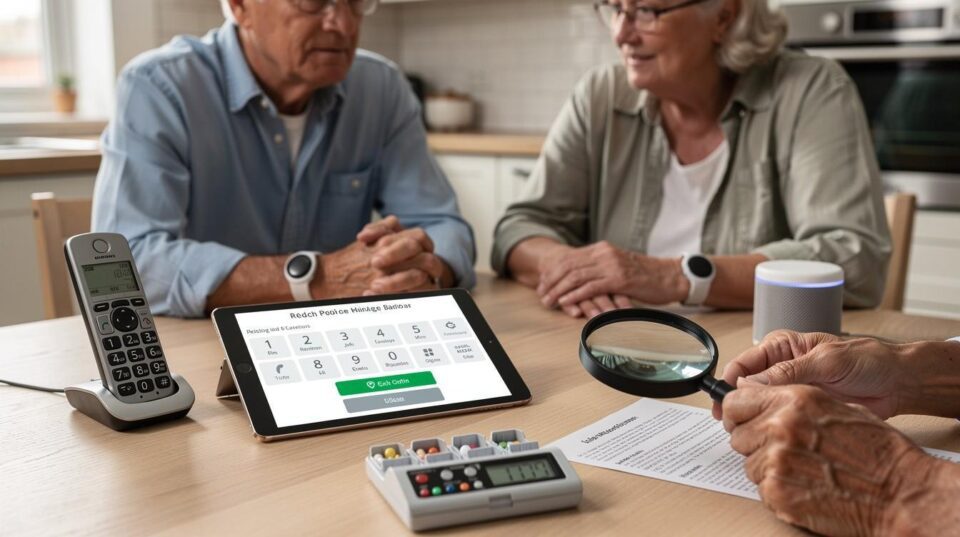
Technology is transforming how seniors live independently and safely at home. Aging-friendly tech solutions range from wearable devices that monitor health to smart systems that prevent accidents.
At Global Positive News Network, we’ve seen firsthand how the right tools make a real difference in daily life. This guide shows you which devices work, how seniors actually use them, and how to get started.
Devices That Actually Work for Seniors
Wearable Health Monitors That Track What Matters
Wearable health monitors offer practical tracking without complicated setup. Smartwatches like the Apple Watch Series 9 and Fitbit Inspire 3 cost between $150 and $400 and track heart rate, fall detection, and sleep patterns automatically. According to research from the American Heart Association, seniors using wearable devices increased their activity levels by an average of 23 percent within three months.
The Apple Watch specifically offers fall detection that automatically alerts emergency contacts when a hard fall occurs-this matters because falls cause over 27,000 deaths among seniors annually according to the CDC. Garmin’s Venu 3S targets older adults directly with larger displays and simplified interfaces, priced around $350. Seniors benefit most from models with large screens, simple navigation, and automatic health alerts rather than devices requiring constant manual input.
Smart Home Safety Systems That Prevent Accidents
Smart home technology can prevent accidents more effectively than general awareness alone. Motion-activated lighting costs $20 to $60 per fixture and reduces fall risks in hallways and bathrooms where most accidents happen. Video doorbells like Ring or Logitech Circle View allow seniors to screen visitors without opening the door, addressing both safety and independence concerns.
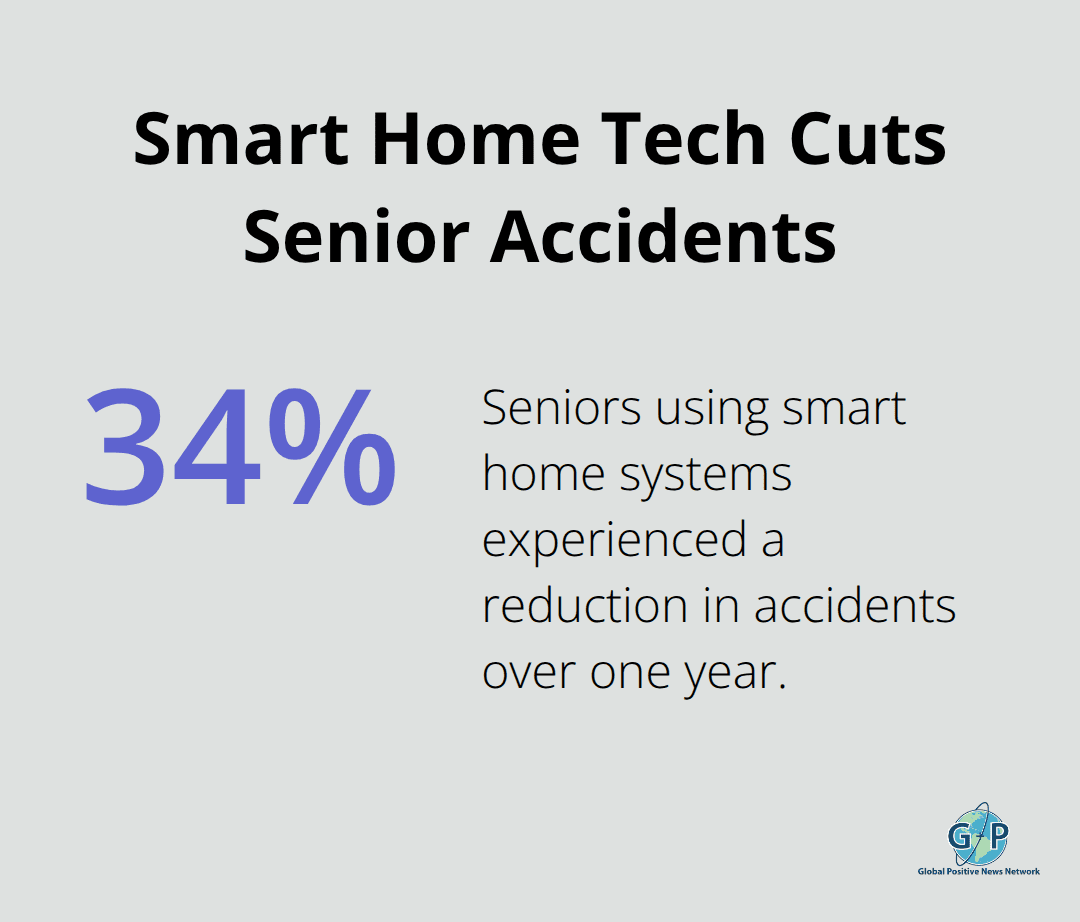
Smart door locks eliminate the need to fumble with keys, and models like August Smart Lock 4 retail for approximately $150. Water leak sensors placed under sinks and near water heaters cost $15 to $40 each and alert homeowners immediately to potential flooding. Research from Stanford’s Center on Longevity found that seniors using smart home systems experienced a 34 percent reduction in accidents over one year.
Voice Control Simplifies Everything
Voice-activated assistants like Amazon Alexa or Google Home cost $50 to $150 and let seniors control lights, thermostats, and call for help using simple voice commands without touching buttons or remotes. The combination of motion sensors, video monitoring, and voice control creates a safety net that works continuously without requiring seniors to remember to activate anything manually. These three technology categories work together to build a comprehensive safety system that adapts to how seniors actually live.
How Seniors Actually Use Tech to Stay Healthy and Safe
Smartwatches That Detect Health Problems Before They Worsen
Smartwatches have moved far beyond fitness tracking for seniors. The Apple Watch Series 9 detects irregular heart rhythms through its ECG app, alerting users to potential atrial fibrillation before symptoms become serious. A 2024 study from the Journal of Medical Internet Research found that seniors who received automatic health alerts from wearables visited emergency departments 18 percent less frequently than those without monitoring. This matters because many seniors miss early warning signs of cardiac events.
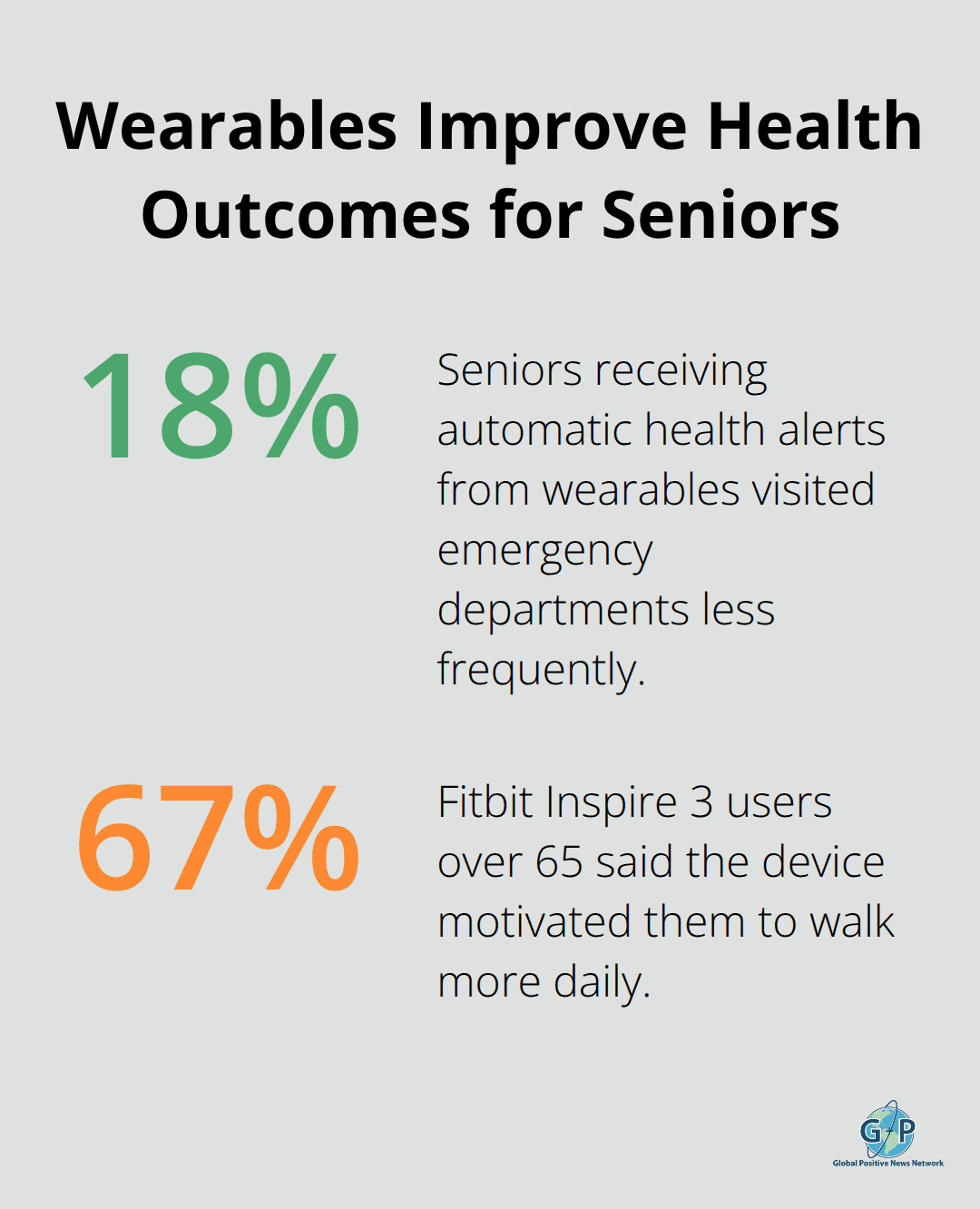
Fitbit Inspire 3 users over 65 reported increased confidence in managing their health independently, with 67 percent saying the device motivated them to walk more daily. The fall detection feature works automatically without seniors needing to press anything, sending alerts to emergency contacts within seconds of a hard fall. Garmin’s Venu 3S specifically targets older adults with larger fonts and simplified menu structures, eliminating the frustration many seniors experience with standard smartwatch interfaces.
Motion-Activated Lights That Prevent Bathroom Falls
Smart home systems prevent accidents more effectively than warning labels or reminders ever could. Motion-activated lights in bathrooms reduce nighttime falls by 70 percent according to research from the American Geriatrics Society, since most bathroom accidents occur when seniors navigate in darkness. These lights activate instantly without requiring seniors to find switches or remember to turn them on manually.
Video doorbells eliminate the need to open doors for strangers, addressing safety concerns that otherwise keep seniors isolated from deliveries and visitors. Smart door locks from August or Level Lock cost around $150 and remove the arthritis-related pain many seniors experience fumbling with traditional keys.
Water Sensors and Voice Commands Complete the Safety Picture
Water leak sensors under sinks detect burst pipes or slow leaks immediately, preventing thousands of dollars in water damage and the mold growth that affects respiratory health. Voice commands through Alexa or Google Home eliminate the coordination challenges seniors face with remotes and buttons, allowing them to call for help, turn off stoves, or lock doors using natural speech (no complicated button sequences required).
These systems work silently in the background without requiring seniors to remember activation steps, which matters because memory lapses never prevent the technology from functioning. The combination of motion sensors, video monitoring, and voice control creates a safety net that adapts to how seniors actually live. Understanding which devices work best sets the stage for the practical question many families face next: how do you actually select and implement these solutions for your specific situation?
How to Pick the Right Tech Without the Headache
Assess What Your Senior Actually Needs
Selecting aging-friendly technology fails when families guess instead of assess. The first step requires honest evaluation of what a senior can actually do, not what they should theoretically manage. Observe daily routines for one week and note specific moments where technology could help-does your parent struggle getting out of bed at night, fumble with door locks, or forget to take medications on schedule? These concrete observations beat generic checklists every time.
Test the senior’s comfort with existing technology by watching how they interact with their phone, TV remote, or microwave. If they avoid learning new buttons, voice control matters more than touch screens. If they struggle with small text, larger displays become non-negotiable. AARP research found that 62 percent of seniors aged 65 and older use smartphones, but most prefer devices with minimal setup steps and automatic functions over manual controls.
Prioritize Simplicity Over Features
User-friendly devices share specific characteristics that separate winners from frustrating purchases. Look for devices with physical buttons rather than gesture controls, displays larger than 4 inches, and setup processes that take under 30 minutes without reading manuals. Amazon Alexa and Google Home cost $50 to $150 and require only WiFi connection and voice setup, making them ideal entry points.
The Apple Watch Series 9 and Fitbit Inspire 3 work well because they sync automatically to phones without requiring seniors to navigate complex menus. Avoid devices that require app downloads, account creation, or regular troubleshooting-these create abandonment rates exceeding 40 percent according to tech adoption studies from MIT. The devices already discussed (smartwatches with fall detection, motion-activated lights, voice assistants) all work because they require almost no ongoing interaction once activated.
Build Support Networks That Stick
Support networks prevent the isolation that kills tech adoption faster than anything else. Assign one family member as the primary tech contact, not three rotating people who give conflicting instructions. This person should visit monthly to troubleshoot, update software, and replace batteries, turning technology maintenance into a scheduled habit rather than a crisis response.
Consider paying for professional installation services for smart home systems-costs range from $100 to $300 but eliminate setup errors that waste weeks. Some seniors benefit from technology classes at local senior centers or libraries, which exist in 78 percent of U.S. communities according to the American Library Association. These peer learning environments make frustration feel normal rather than isolating.
Final Thoughts
Aging-friendly tech solutions work because they address real problems seniors face daily. Smartwatches detect heart problems before emergencies happen, motion-activated lights prevent bathroom falls, and voice commands eliminate the frustration of fumbling with buttons. The devices discussed throughout this guide share one essential quality: they function automatically without requiring seniors to remember activation steps or navigate complicated menus.
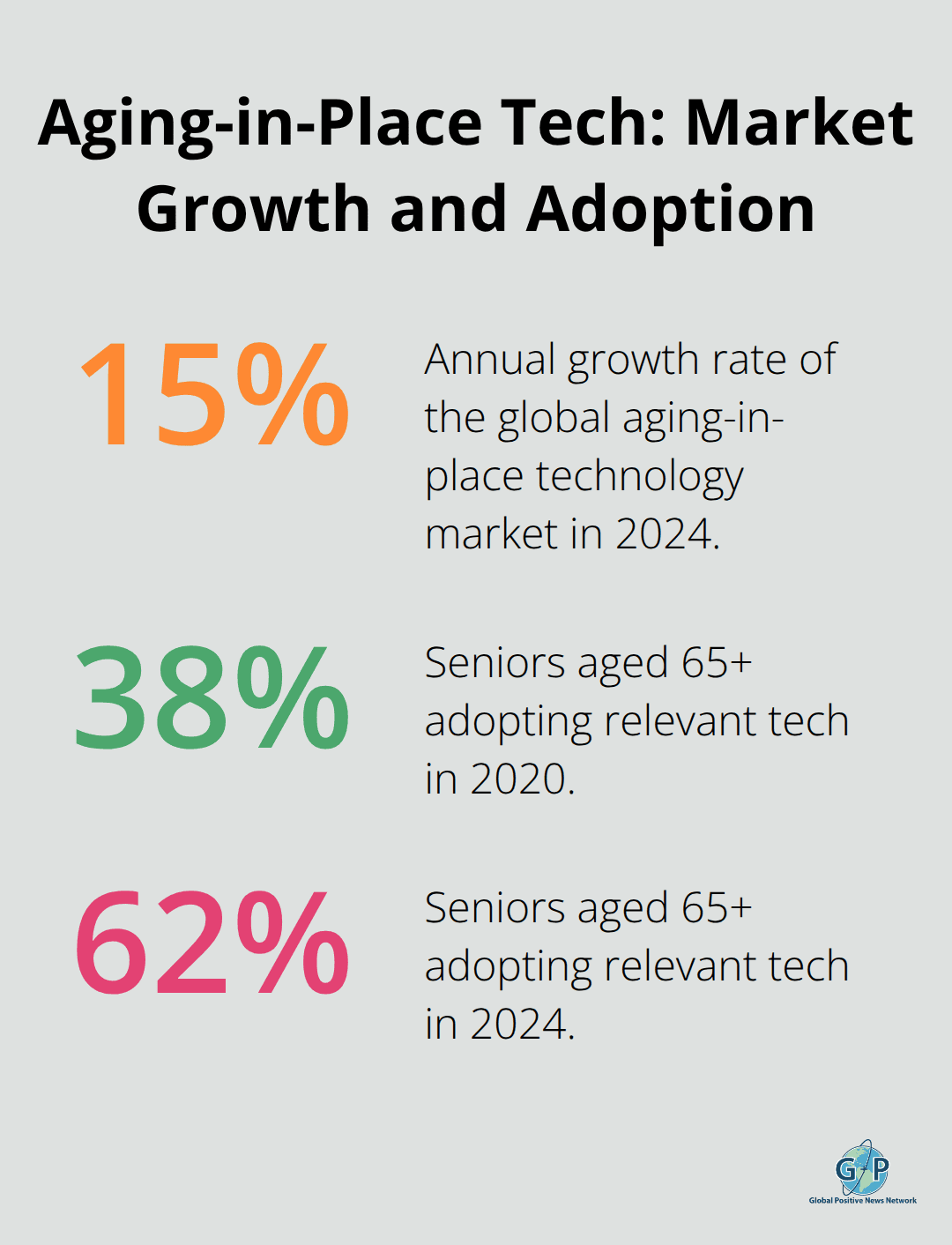
The market reflects this growing recognition. The global aging-in-place technology market reached $32 billion in 2024 and continues expanding at 15 percent annually, according to market research from Grand View Research. Adoption among seniors aged 65 and older jumped from 38 percent in 2020 to 62 percent in 2024, driven by devices that actually work rather than gimmicks that frustrate.
Start with one device that addresses your senior’s biggest challenge, not five devices at once. Get it working smoothly before adding more, and connect with local senior centers or libraries offering technology classes in your area. For more stories about how technology improves lives and communities thrive, visit Global Positive News Network for uplifting perspectives on innovation and human connection.

Having a hard day?
The 2 Minute Hope Reset is a short free guide with three small practices for the days that feel heavy. Two minutes each, nothing to keep up with.
Get the free guideExplore more positive news:
Enjoying stories like this?
Global Positive News Network is reader-supported. If you’d like to support the mission, you can visit the Official GPNN store.