

Disagreements are inevitable in any relationship, but how we handle them determines whether they strengthen or damage our connections. At Global Positive News Network, we believe peaceful conflict resolution is a skill worth developing.
This guide walks you through practical strategies for communicating with compassion, understanding different perspectives, and building trust even when you disagree.
Why Disagreements Start
Different Reference Points Create Conflict
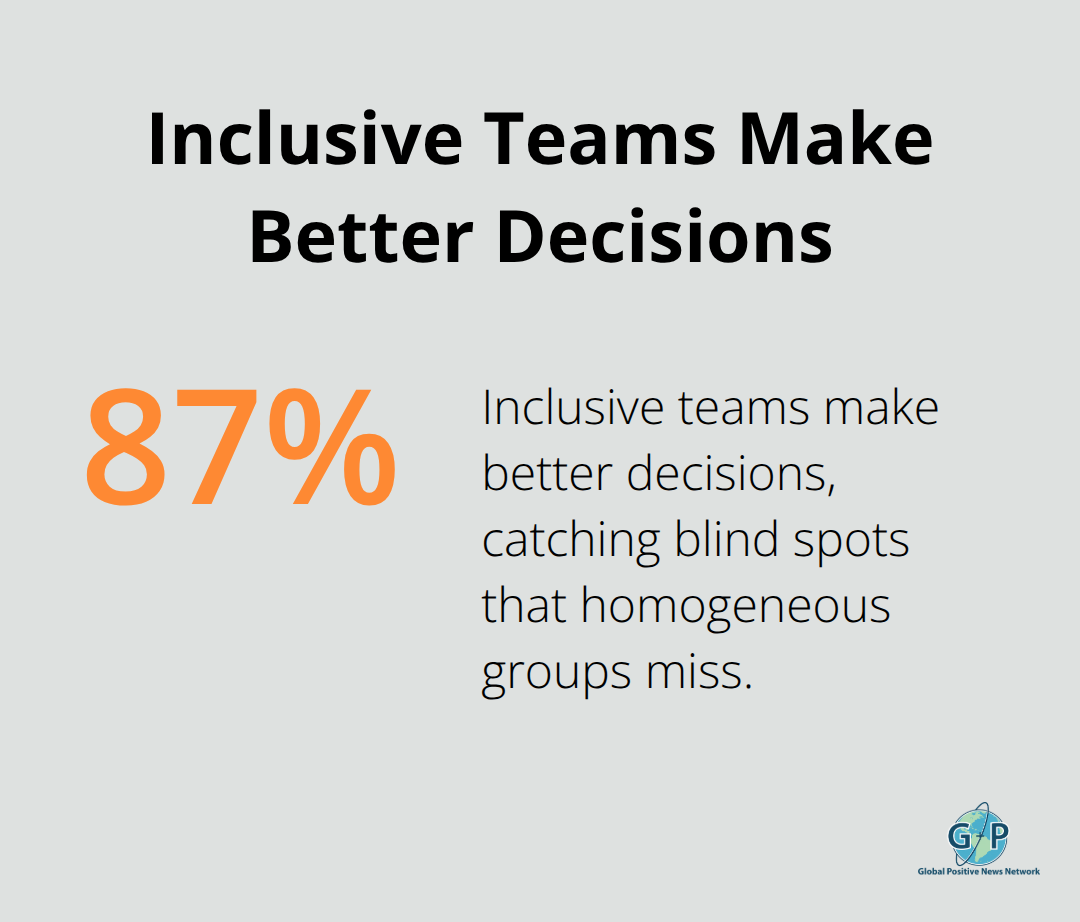
Most disagreements don’t happen because people are fundamentally incompatible. They happen because people operate from different reference points, and those differences rarely get acknowledged before emotions take over. When someone disagrees with you, they’re not rejecting you as a person-they’re working from a different set of experiences, priorities, and information. Inclusive teams make better decisions up to 87% of the time, according to Forbes Insights, because they catch blind spots that homogeneous groups miss.
The real problem isn’t the disagreement itself. The real problem is that most people never pause to ask what actually drives the other person’s position. You assume you know their motive, attach judgment to it, and respond defensively before you’ve heard a single complete sentence. This is where compassionate disagreement falls apart before it even starts.
Emotional Reactions Get Mistaken for Facts
The second reason disagreements escalate is that we mistake emotional reactions for facts. When someone raises their voice or withdraws, we interpret those behaviors as hostility or stubbornness. What we’re actually seeing is a defensive response triggered by feeling misunderstood or attacked. Nonviolent Communication framework shows that most conflict stems from unmet needs expressed poorly, not from actual incompatibility. Your colleague might seem rigid about a deadline because they need control and predictability, not because they’re inflexible. Your partner might seem dismissive because they’re scared of being blamed, not because your feelings don’t matter. Understanding that negative behavior often stems from underlying issues helps you respond with curiosity instead of judgment.
The Gap Between Speaking and Listening
Communication breakdowns happen when people talk past each other instead of to each other. One person defends their position while the other person defends their worth. Neither actually listens to what the other needs. The Dalai Lama’s teachings on universal suffering suggest that recognizing this shared human vulnerability (the fear of being misunderstood, the need to be valued) creates immediate common ground. You stop seeing the other person as your opponent and start seeing them as someone struggling to be heard, just like you are. This shift in perspective opens the door to the practical strategies that transform disagreements into opportunities for deeper connection.
How to Actually Listen When You Disagree
Stop Waiting for Your Turn to Talk
Most people think they listen, but they actually prepare counterarguments while the other person speaks. Real listening means you stop planning your response and focus entirely on understanding what the other person needs to say. This requires a specific skill: you ask clarifying questions and pause before you respond. When someone shares their perspective, resist the urge to explain why they’re wrong. Instead, ask what led them to that conclusion or what outcome they hope for. Research on Nonviolent Communication shows that when you acknowledge the other person’s underlying needs rather than attack their position, defensiveness drops significantly.
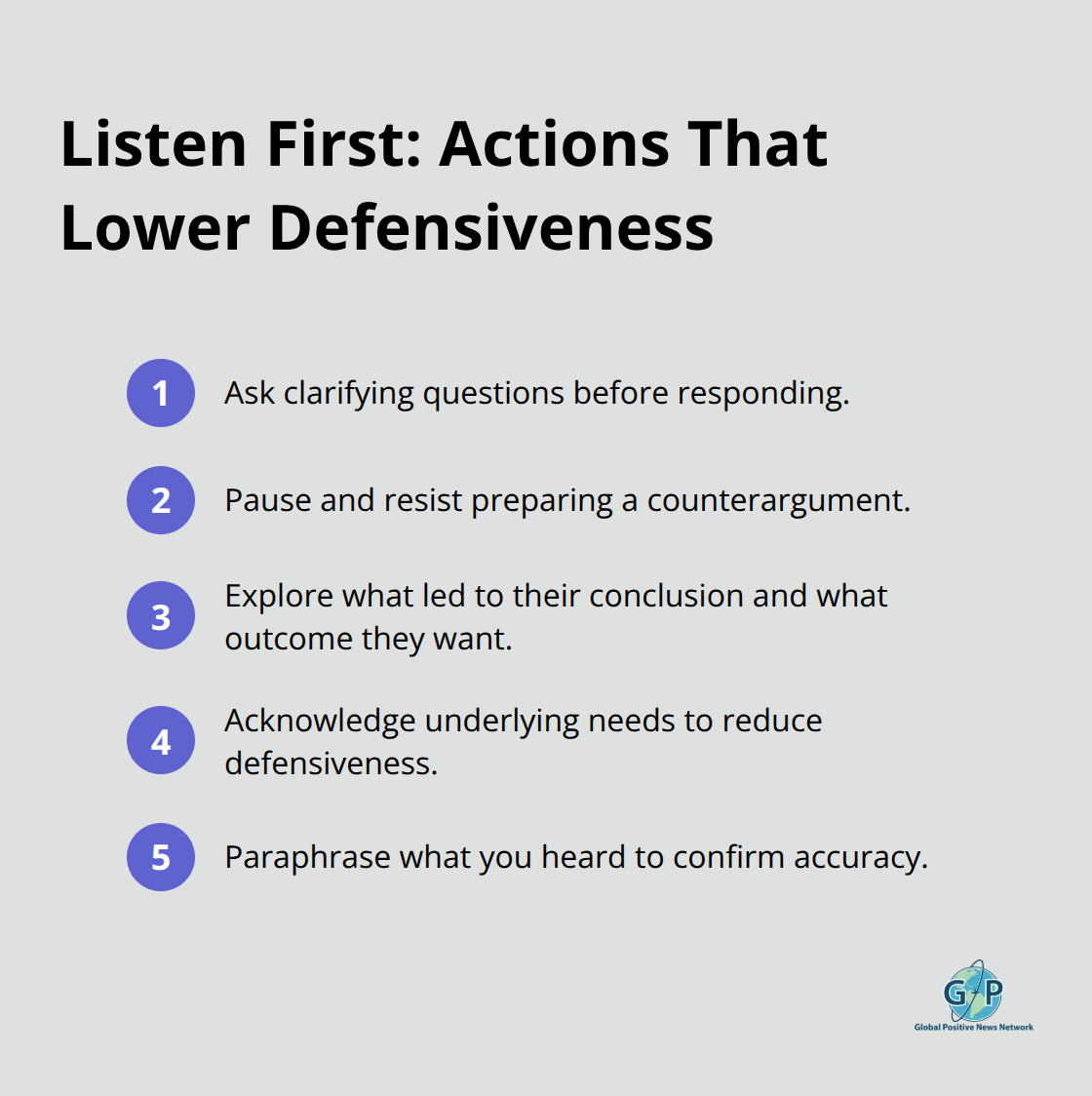
For example, if a coworker opposes your project timeline, don’t assume they’re being difficult. You ask whether they worry about resource constraints, quality standards, or their team’s capacity. That single question shifts the conversation from confrontation to problem-solving. After they answer, you paraphrase what you heard back to them: “I’m hearing that you’re worried we’ll rush the quality if we move faster. Is that accurate?” This technique works because it proves you actually listened and gives them a chance to clarify if you misunderstood. Most escalated conflicts happen because one person felt unheard, not because the disagreement itself was unsolvable.
Frame Your Own Perspective Without Attack
Expressing your own perspective matters just as much, but how you frame it determines whether the other person hears you or dismisses you. Statements that begin with “you” trigger defensiveness: “You’re not thinking about the consequences.” Statements that begin with “I” describe your actual experience without attacking theirs: “I’m concerned about how this decision affects our timeline.” The difference is subtle but powerful.
When you speak from your experience, needs, and concerns, the other person has less reason to defend themselves and more reason to listen. You follow your I-statement with the specific impact you’ve observed: “When deadlines shift without discussion, I feel disrespected and struggle to plan effectively.” This approach gives concrete information instead of vague accusations. Then you state what you actually need moving forward: “I need us to communicate changes at least 48 hours before they affect my work.” Clarity about your needs opens space for negotiation instead of blame cycles.
Identify Shared Values to Build Solutions
Finding common ground happens naturally once both people feel heard. You’ll notice that even people with opposing views often share underlying priorities: wanting to be respected, needing stability, or caring about quality outcomes. You identify these shared values explicitly: “We both care about delivering strong work and maintaining team trust.” This recognition (that your interests overlap more than they conflict) transforms how you approach the next steps.
You then brainstorm solutions that address both people’s actual concerns rather than just compromise on positions. Compromise often leaves both sides frustrated. Collaboration that honors both sets of needs creates stronger agreements that stick. When you move into this phase, you’ve already shifted from adversaries to partners working toward a shared outcome. This foundation makes the next step-taking responsibility for your own role in the disagreement-far more productive and genuine.
How to Own Your Part in Every Disagreement
Most people approach conflict resolution backwards. They focus entirely on what the other person did wrong and what needs to change about them. This mindset guarantees the conversation will fail because the other person immediately becomes defensive and stops listening. The breakthrough happens when you shift your attention inward first. You examine your own role in the disagreement with brutal honesty, not to punish yourself but to identify what you actually control and can change. Colossians 3:13 teaches that forgiveness and grace flow from self-awareness, and research on Nonviolent Communication confirms this: when you take responsibility for your own impact, the other person’s defensiveness drops dramatically and they become capable of genuine reflection themselves.
Ask Yourself Hard Questions About Your Behavior
Start by examining specific questions about your behavior. Did you make assumptions about their motives without asking clarifying questions? Did you raise your voice or use accusatory language before they had a chance to explain their perspective? Did you fail to communicate your needs clearly, leaving them guessing what actually bothered you? Did you bring up old grievances instead of addressing the current issue? This self-examination isn’t about self-blame; it’s about identifying concrete actions you can change immediately.
If you contributed to the breakdown through poor communication, that’s actually good news because communication is something you can fix right now. You can apologize for your specific behavior, not for having feelings or needs. You can state exactly what you’ll do differently: “I interrupted you twice yesterday when you were explaining your concerns, and I won’t do that again. I’m going to listen all the way through before I respond.” This kind of specific accountability builds trust faster than any generic apology ever could.
Empathy Requires You to Slow Down
Understanding the other person’s position demands more than intellectual agreement that they have a right to their view. Empathy means you actually step into their experience and recognize what they need beneath their words. The Dalai Lama’s framework on compassion emphasizes that acknowledging universal human suffering creates immediate connection; when you recognize that the other person struggles to feel heard and valued just like you do, judgment falls away.
Most people skip this step because it feels slower than jumping straight to solutions. It is slower, and that slowness is the entire point. When you rush toward compromise before the other person feels genuinely understood, they’ll agree on the surface but resent the outcome privately. They’ll bring the same grievance back up in the next conflict because the underlying need was never addressed.
Empathy starts with genuine curiosity about what shaped their perspective. What experiences taught them to prioritize what they’re prioritizing? What fears or past hurts make them defensive about this particular issue? What outcome would actually feel like a win to them? You ask these questions and then you sit with their answers without planning your counterargument. This is harder than it sounds because your brain wants to defend your position while they’re talking. You have to notice that urge and consciously choose to stay focused on understanding them instead.
When they finish, you reflect back what you heard: “I’m hearing that you feel like your input gets ignored in these decisions, and you’re worried this pattern will continue. That must be frustrating.” Validation doesn’t mean you agree with their conclusion; it means you recognize their experience as real and legitimate from where they stand.
Build New Agreements That Address Both Needs
Once both people feel heard and understood, you can actually build solutions that work instead of compromises that satisfy no one. The difference is practical and measurable. Compromise splits the difference and leaves both sides frustrated. Collaboration addresses the actual needs both people expressed.
If one person needs advance notice before changes and the other person needs flexibility to adapt quickly, a real solution might be: you’ll communicate major changes 48 hours ahead when possible, and for urgent changes you’ll explain the reasoning immediately after. This addresses both the need for stability and the need for adaptability. You document these agreements explicitly so there’s no ambiguity later.
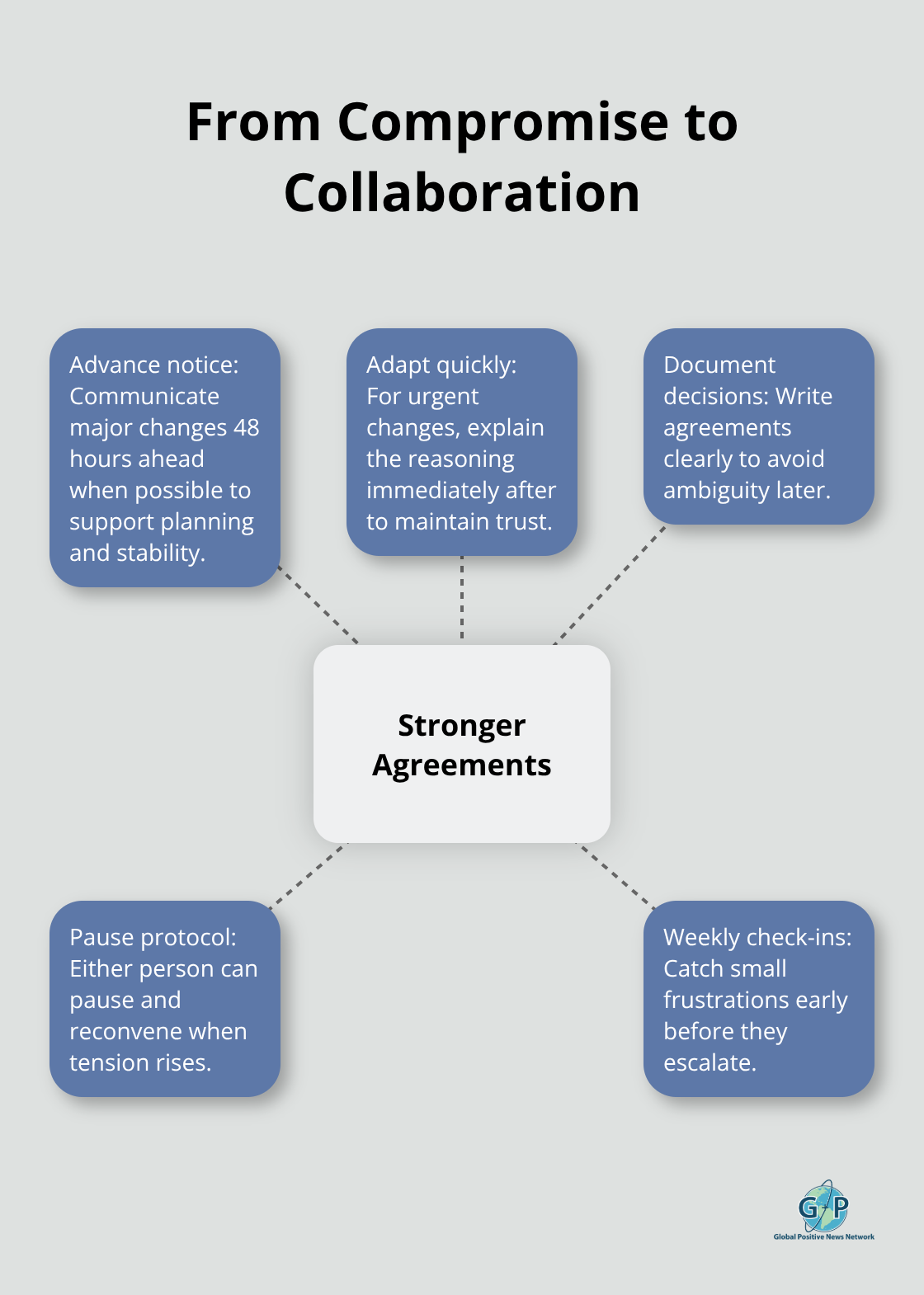
You also agree on how you’ll handle the next disagreement when it comes, because it will. You might decide that if tension rises, either person can pause the conversation and reconvene in two hours with cooler heads. You might agree that you’ll check in weekly to catch small frustrations before they become big conflicts. These preventive agreements save enormous amounts of pain down the road.
The research on conflict resolution shows that relationships that survive and strengthen through disagreement share one characteristic: they treat conflict as information, not as failure. Each disagreement teaches you something about what matters to the other person and what communication patterns don’t work between you. You use that information to adjust how you show up next time. This isn’t a one-time fix. It’s a pattern you build, and each time you navigate a disagreement with genuine responsibility and empathy, the relationship gets stronger and the next conversation gets easier.
Final Thoughts
Compassionate disagreement isn’t about avoiding conflict or pretending differences don’t exist. It’s about treating peaceful conflict as an opportunity to understand someone more deeply and strengthen your relationship in the process. When you listen without judgment, express yourself clearly, and take responsibility for your own role, you transform what could have been a damaging argument into a moment of genuine connection. The practical strategies in this guide work because they address what actually drives conflict: the feeling of being unheard and undervalued.
Relationships that navigate conflict with grace become more resilient over time, not less. You stop tiptoeing around difficult topics because you’ve proven to each other that you can handle disagreement without destroying trust. Teams and families who approach conflict this way report higher satisfaction, stronger loyalty, and better outcomes across the board. Research consistently shows that both perspectives get heard and integrated when people commit to understanding instead of winning.
Start with one relationship and practice these strategies consistently. Notice how the dynamic shifts when you commit to understanding instead of winning. We at Global Positive News Network believe that peaceful conflict resolution is one of the most powerful skills you can develop, and it ripples outward into your communities and shapes how the people around you handle their own disagreements.
Having a hard day?
The 2 Minute Hope Reset is a short free guide with three small practices for the days that feel heavy. Two minutes each, nothing to keep up with.
Get the free guideExplore more positive news:
Enjoying stories like this?
Global Positive News Network is reader-supported. If you’d like to support the mission, you can visit the Official GPNN store.