
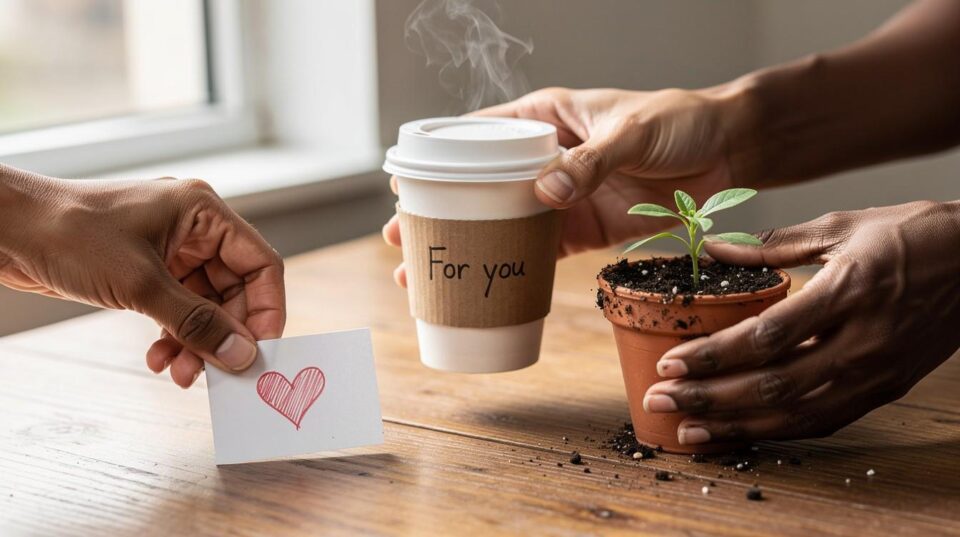
A single act of kindness-holding a door, listening without judgment, or sharing a meal-creates ripples far beyond the moment. At Global Positive News Network, we’ve seen how these small gestures reshape communities and transform lives in measurable ways.
The kindness positivity tips in this post aren’t theoretical. They’re grounded in research showing real health benefits and backed by stories of actual change happening right now.
How Kindness Reshapes Lives and Communities
A meta-analysis of 201 studies involving 198,213 participants published in Psychological Bulletin found that kindness reliably boosts wellbeing across multiple domains. The research is clear: kindness works. What matters most is that spontaneous acts deliver stronger wellbeing gains than planned or obligatory ones. When someone helps without being asked, the mental health benefits for both giver and receiver increase significantly.
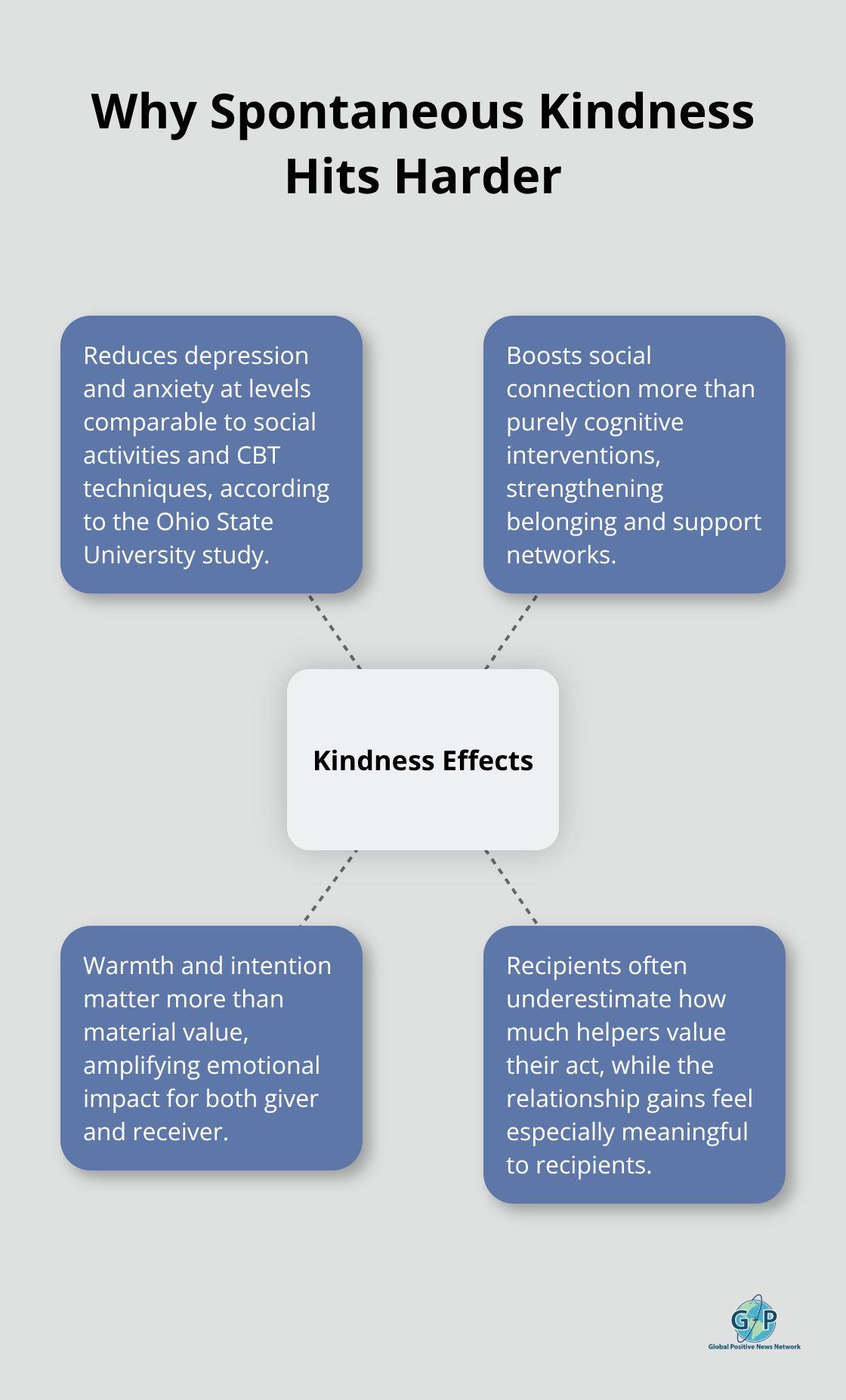
An Ohio State University study published in the Journal of Positive Psychology showed that acts of kindness reduced depression and anxiety symptoms as effectively as social activities and cognitive behavioral therapy techniques. Participants who performed kind acts experienced greater improvements in social connection than those using purely cognitive interventions. The warmth of genuine gestures matters more than material value. People receiving kindness consistently underestimate how much their helpers valued the act, while recipients place tremendous value on the social connection itself.
Why Kindness Spreads Faster Than You Think
Kindness operates as a contagion. Research from Scientific American documented that recipients of kind acts become more generous themselves, creating a positive feedback loop that extends far beyond the original gesture. One person’s action triggers another’s generosity, which triggers another’s. This happens in subways, workplaces, and neighborhoods constantly.
A practical example: volunteers deliver meals through Meals on Wheels, providing nutrition to vulnerable seniors while simultaneously reducing isolation and building community bonds. When neighbors check in on elderly residents, they combat loneliness while strengthening the social fabric. Organizations like Senior Citizens Inc. mobilize community members to support seniors through everyday actions, demonstrating how coordinated kindness scales impact. Teaching skills to others-tech tutoring, gardening advice, home repairs-builds independence and confidence while creating lasting connections. Public gratitude matters too. Thanking service workers or acknowledging good work boosts morale and signals that kindness holds value in your community.
Building Kindness Into Daily Life
The research suggests creating measurable mental health improvements through consistent practice. Try what costs nothing: offering water to someone in need, listening without judgment, or sending a handwritten card to someone isolated. Handwritten notes comfort people in hospitals and care facilities far more than digital messages. Help with groceries, prescriptions, or household chores to support seniors and people with limited mobility while deepening relationships.
Technology enables scalable micro-kindness too. Be My Eyes connects volunteers with people needing assistance, turning seconds of help into meaningful impact. Make kindness your default by creating organizational or household conditions where giving and sharing become celebrated and easy. The aMAIZEing Blue Crew at the University of Michigan mobilized college parents to support quarantined students, showing how community-led initiatives scale quickly when someone initiates.
Moving From Individual Acts to Systemic Change
Kindness isn’t complicated. It’s straightforward and feasible even during stressful periods when you stay attentive to what people actually need. The real power emerges when individuals transform their small gestures into community movements. What starts as one person’s decision to help a neighbor evolves into networks of mutual support that reshape entire neighborhoods. This progression from personal action to collective impact sets the stage for understanding how you can build sustainable kindness practices that last.
What Kindness Actions Fit Into Your Week
Kindness does not demand hours of your time or deep pockets. The Ohio State University study in the Journal of Positive Psychology showed that participants who performed kind acts experienced measurable drops in depression and anxiety symptoms within weeks of starting a consistent practice. The key is frequency and specificity, not grand gestures.
Actions That Take Minimal Time
Send a handwritten card to someone isolated in a hospital or care facility this week-research confirms recipients value the warmth and personal effort far more than digital messages. Call or visit a neighbor who lives alone, particularly seniors experiencing isolation. Deliver groceries or help with prescriptions for people with limited mobility. These actions take thirty minutes to two hours and create measurable improvements in both your mental health and theirs.
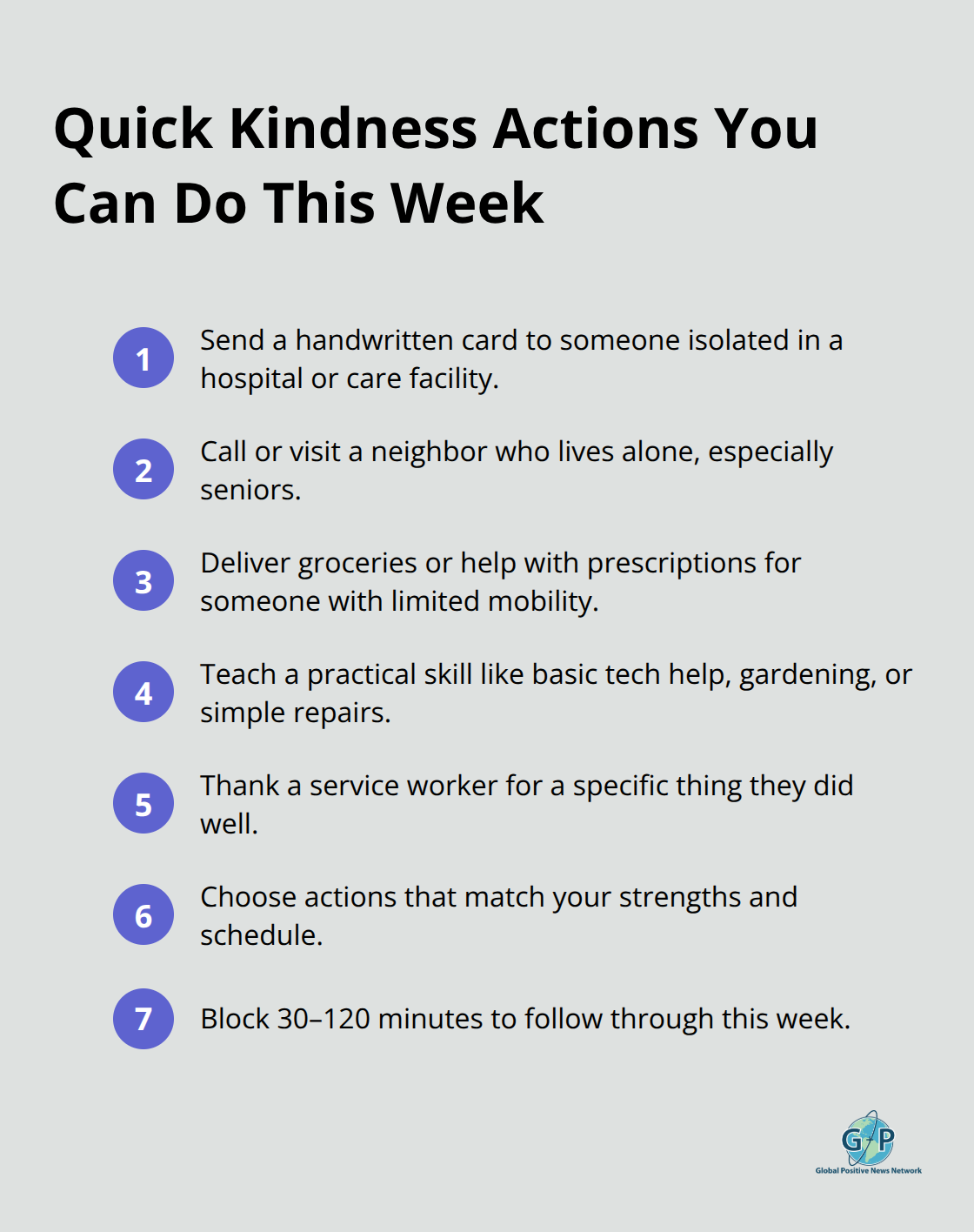
Teach someone a practical skill they actually need: basic technology troubleshooting, gardening tips, or simple home repairs. This builds their independence while strengthening your connection. Thank a service worker specifically for something they did well-not generic praise, but genuine acknowledgment. Research shows that simple acts of kindness can contribute to boosting your mood, reducing stress, and possibly alleviating symptoms of depression or anxiety, so pick actions that feel natural to your strengths and schedule.
Scaling Impact Through Community Partnerships
Organizations like Senior Citizens Inc. demonstrate that coordinated community action scales impact dramatically. Contact local groups focused on senior support or food security to find structured volunteer slots that fit your availability. Meals on Wheels accepts regular volunteers who deliver meals and check on vulnerable neighbors simultaneously. One person’s initiative sparks broader participation-the aMAIZEing Blue Crew at the University of Michigan mobilized college parents to support quarantined students through organized action, showing how community-led efforts multiply impact.
Amplifying Kindness Through Your Networks
Use social platforms strategically to highlight real kindness happening around you rather than posting vague inspiration. Share specific stories of neighbors helping neighbors, local volunteers in action, or community members solving problems together. Scientific American research documented that witnessing kindness makes people more generous themselves, so amplifying genuine examples creates actual behavior change in your network.
Start with one action this week and commit to monthly consistency. Track how your mood and social connections shift within eight weeks. As you establish these personal practices and strengthen local ties, the question becomes how to sustain momentum and deepen your impact over time.
Why Your Brain Rewards Kindness
The science behind kindness is not abstract philosophy-it’s measurable biology that changes how your body functions. A meta-analysis of 201 studies representing 198,213 participants published in Psychological Bulletin established that kindness produces reliable wellbeing improvements across multiple health markers. Stress hormones decrease, inflammation reduces, and cardiovascular function improves. The Ohio State University study in the Journal of Positive Psychology showed that participants who performed kind acts experienced depression and anxiety symptom reductions equivalent to social activities and cognitive behavioral therapy interventions. What separates kindness from other wellness practices is the social connection component. Participants who performed kind acts showed greater gains in social connection than those who used purely cognitive techniques, meaning the act itself strengthens your relationships while healing your mental health. The warmth of genuine interaction matters far more than any material benefit.
How Kindness Shifts Your Nervous System
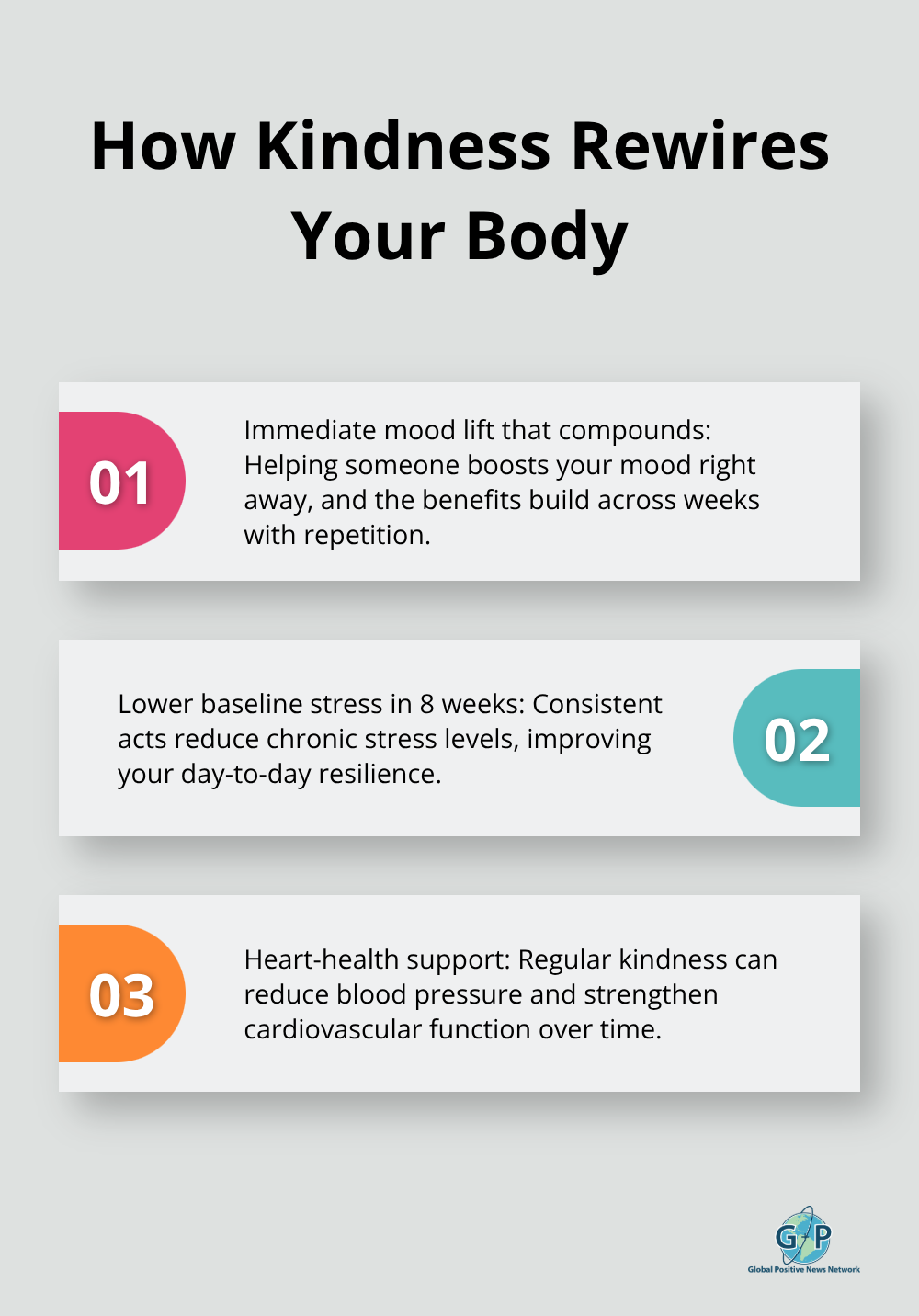
Research from Scientific American documented that when you help someone, your own mood improves immediately, but the effect compounds over weeks. Consistent kind acts for eight weeks lower your baseline stress levels measurably. Your cardiovascular system benefits too-kindness reduces blood pressure and strengthens heart health through consistent practice.
The mechanism works through multiple pathways: helping others redirects your attention away from your own anxieties, creates a sense of purpose that anchors your life, and builds social bonds that protect against isolation.
Physical Resilience and Long-Term Health Gains
The long-term payoff extends beyond mental health into physical resilience and longevity. People who regularly perform acts of kindness report lower rates of depression and anxiety, stronger immune function, and even increased pain tolerance. One practical action-delivering meals through Meals on Wheels or checking on isolated neighbors-simultaneously addresses loneliness in vulnerable populations while triggering these protective health responses in you. The Random Acts of Kindness Foundation documents that people who integrate kindness into their weekly routines experience sustained improvements in self-esteem, reduced emotional reactivity, and greater resilience during stress.
Building a Sustainable Kindness Practice
Start with frequency over intensity. One small act per week produces measurable health benefits within four weeks. Two acts weekly accelerates improvements. The key is consistency that fits your actual life rather than heroic gestures you abandon after two weeks. Kindness works because it’s not about changing the world-it’s about changing your nervous system’s baseline state from threat-detection to genuine connection. Try one small act this week and observe how your stress levels shift within the first month.
Final Thoughts
The evidence proves that kindness transforms both individual lives and entire communities. A meta-analysis of 201 studies involving 198,213 participants confirmed that consistent acts of kindness produce measurable improvements in mental health, stress reduction, and physical resilience. When you perform kind acts, your brain rewards you with lower anxiety, reduced depression symptoms, and stronger social connections that protect against isolation.
What makes kindness positivity tips effective is their simplicity and accessibility. You don’t need money, special skills, or hours of free time-a handwritten card, a phone call to an isolated neighbor, help with groceries, or teaching someone a practical skill creates real impact. The Ohio State University research showed that spontaneous acts deliver stronger wellbeing gains than obligatory ones, so the kindness that flows naturally from you matters most.
At Global Positive News Network, we share stories of personal triumphs, acts of kindness, and community impact designed to help you maintain an optimistic outlook while taking action. Start with one action this week and track how your mood shifts within four weeks, then partner with organizations like Senior Citizens Inc. or Meals on Wheels to channel your efforts into structured volunteer work. Kindness is contagious-one person’s decision to help a neighbor evolves into networks of mutual support that reshape neighborhoods.
Having a hard day?
The 2 Minute Hope Reset is a short free guide with three small practices for the days that feel heavy. Two minutes each, nothing to keep up with.
Get the free guideExplore more positive news:
Enjoying stories like this?
Global Positive News Network is reader-supported. If you’d like to support the mission, you can visit the Official GPNN store.