
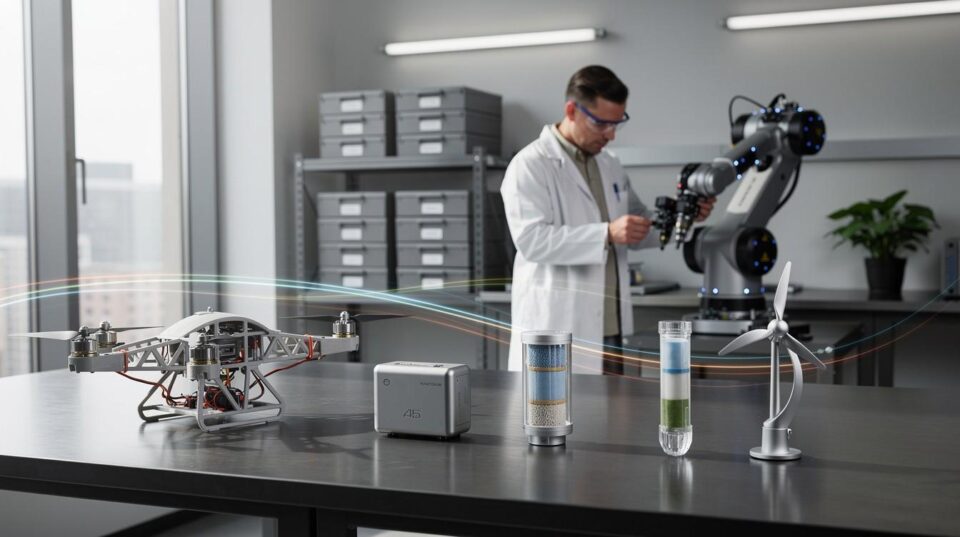
Technology is reshaping how we solve humanity’s biggest problems. From renewable energy systems that power entire cities to AI tools that diagnose diseases earlier, innovation is creating real pathways toward better futures.
At Global Positive News Network, we’ve identified the technologies for hopeful futures that are already making measurable differences in people’s lives. This post explores the breakthroughs in renewable energy, artificial intelligence, and biotechnology that are transforming global challenges into opportunities.
Renewable Energy Is Now the Cheapest Power Source
Renewable energy has shifted from a future investment to an economic necessity. According to Science’s Breakthrough of the Year 2025, renewables surpassed coal as the world’s electricity source in 2025, marking a structural transformation in global power generation. Solar and wind alone met the entire global increase in electricity demand from January to June 2025, proving that clean energy scales at the speed markets require. Renewables now rank among the cheapest sources of electricity in much of the world, with installation pace accelerating from just 1 gigawatt per year in 2004 to multiple gigawatts per day today.
Solar efficiency gains are outpacing expectations
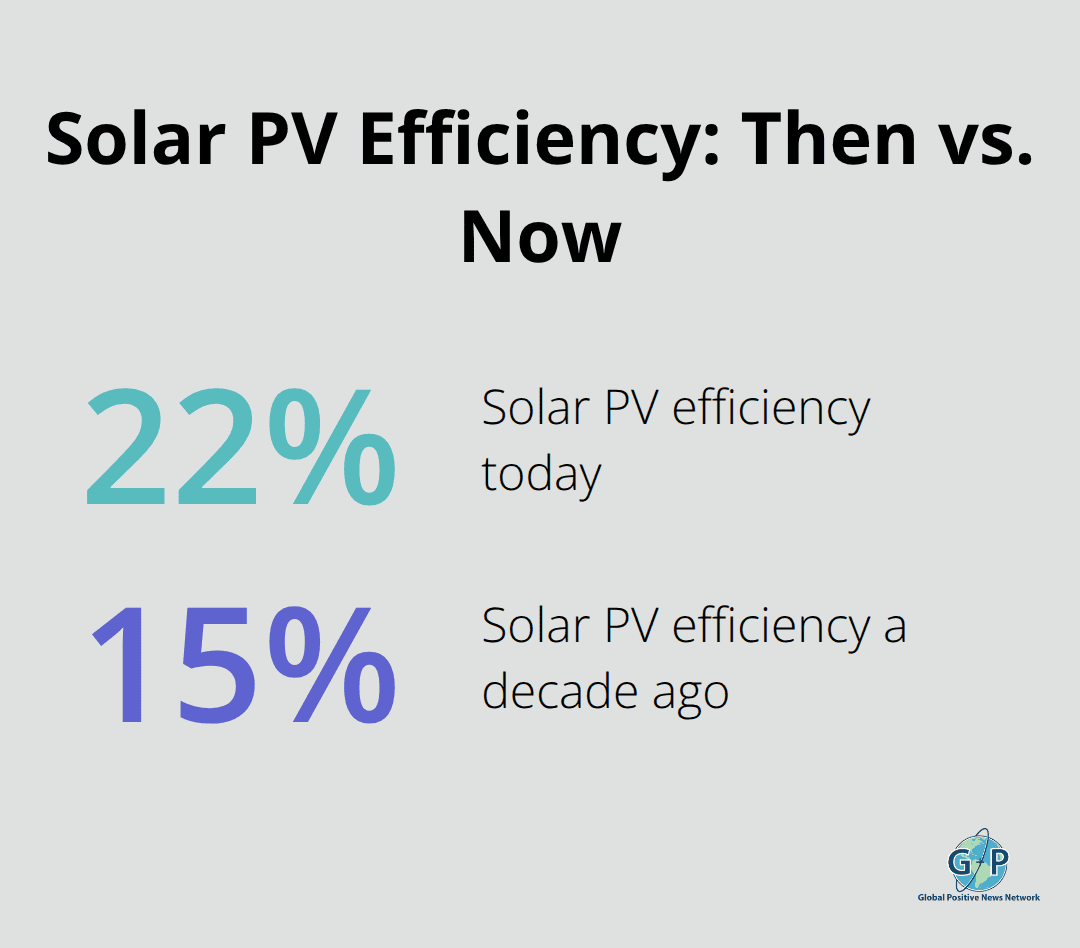
Solar photovoltaic efficiency has surpassed 22% today, up from about 15% a decade ago, delivering significantly more power per panel. Higher efficiency means fewer panels are needed to generate the same electricity, reducing installation costs and land use. Perovskite solar cells layered with silicon offer even greater potential efficiency gains, expanding the rate of solar power improvements beyond traditional silicon-only designs.
China’s solar power generation has grown more than 20-fold over the past decade, with installations now capable of powering large economies independently. Floating solar farms on lakes and reservoirs reduce land-use conflicts while benefiting from water cooling to improve photovoltaic efficiency (as demonstrated by large-scale projects in Anhui province, China). Rooftop solar adoption accelerates across Africa and South Asia, driven by energy independence and affordable access to electricity-proof that distributed solar works where centralized grids cannot.
Wind and storage are solving intermittency
Modern wind turbines use advanced materials like carbon fiber to reduce weight, improve aerodynamics, and cut maintenance costs, making wind farms more economically competitive. Floating offshore wind turbines enable deeper-water installations with stronger, more consistent winds and higher capacity yields (as demonstrated by Hywind Scotland). The Dogger Bank Wind Farm illustrates rapid offshore expansion and higher energy yields in deeper waters. Grid-scale battery storage deployments now back renewables and stabilize power grids as variable renewable energy grows. Next-generation energy storage-including lithium-ion, solid-state, and flow batteries-addresses intermittency challenges, with grid-scale deployments like Tesla Megapack expanding globally. Molten-salt thermal storage in concentrated solar power plants and mountain-top pumped storage complement expanding battery deployments to smooth renewable supply. Generating electricity closer to where it’s used reduces transmission losses, improving overall energy efficiency for power systems.
China’s dominance reshapes global energy markets
China dominates renewables manufacturing: about 80% of the world’s solar cells, 70% of wind turbines, and 70% of lithium batteries are produced there, helping renewables drive the country’s economy by more than 10%. In 2024, China’s green tech exports reached nearly 180 billion dollars, reinforcing a global shift as batteries, panels, and turbines spread worldwide. This manufacturing scale creates a feedback loop-lower costs accelerate adoption, which increases demand, which further drives innovation and cost reduction across the renewable energy sector.
How AI and Biotechnology Are Solving Real Medical and Environmental Challenges Today
AI accelerates scientific breakthroughs across multiple fields
Large language models accelerate scientific progress at an unprecedented pace, solving problems in mathematics, chemistry, and biology while proposing drug candidates that researchers validate through traditional methods. Google’s DeepMind forecasts wind energy output for grid integration, enabling more reliable renewable deployments by predicting generation patterns hours in advance. This isn’t theoretical-AI optimization already reduces operational costs across energy systems worldwide. The Vera C. Rubin Observatory will sweep the entire sky every three days for a decade, generating millions of alerts nightly and enabling open, rapid astronomy data analysis through AI systems that identify anomalies humans would miss.
Gene editing and antibiotics transform disease treatment
Custom gene editing for ultrarare diseases moves toward clinical reality. A patient received treatment using a bespoke base editor, and regulatory pathways have streamlined to test similarly tailored therapies, meaning AI-assisted genetic analysis identifies disease mechanisms faster than conventional approaches. Gepotidacin and zoliflodacin represent new oral antibiotics for gonorrhea, developed with computational support and showing phase 3 efficacy that outpaces evolving resistance. These drugs enable easier pill-based treatment instead of injections, addressing a critical public health gap where resistance patterns shift rapidly.
Environmental monitoring leverages machine learning at scale
Environmental monitoring now relies on machine learning to track deforestation, predict wildfires, and monitor ocean health across regions too vast for manual surveillance. AI systems analyze satellite imagery in real time, flagging illegal logging operations and alerting authorities within hours rather than weeks. This speed matters-early intervention prevents ecosystem damage that would otherwise require years to reverse.
AI diagnostics reach underserved populations
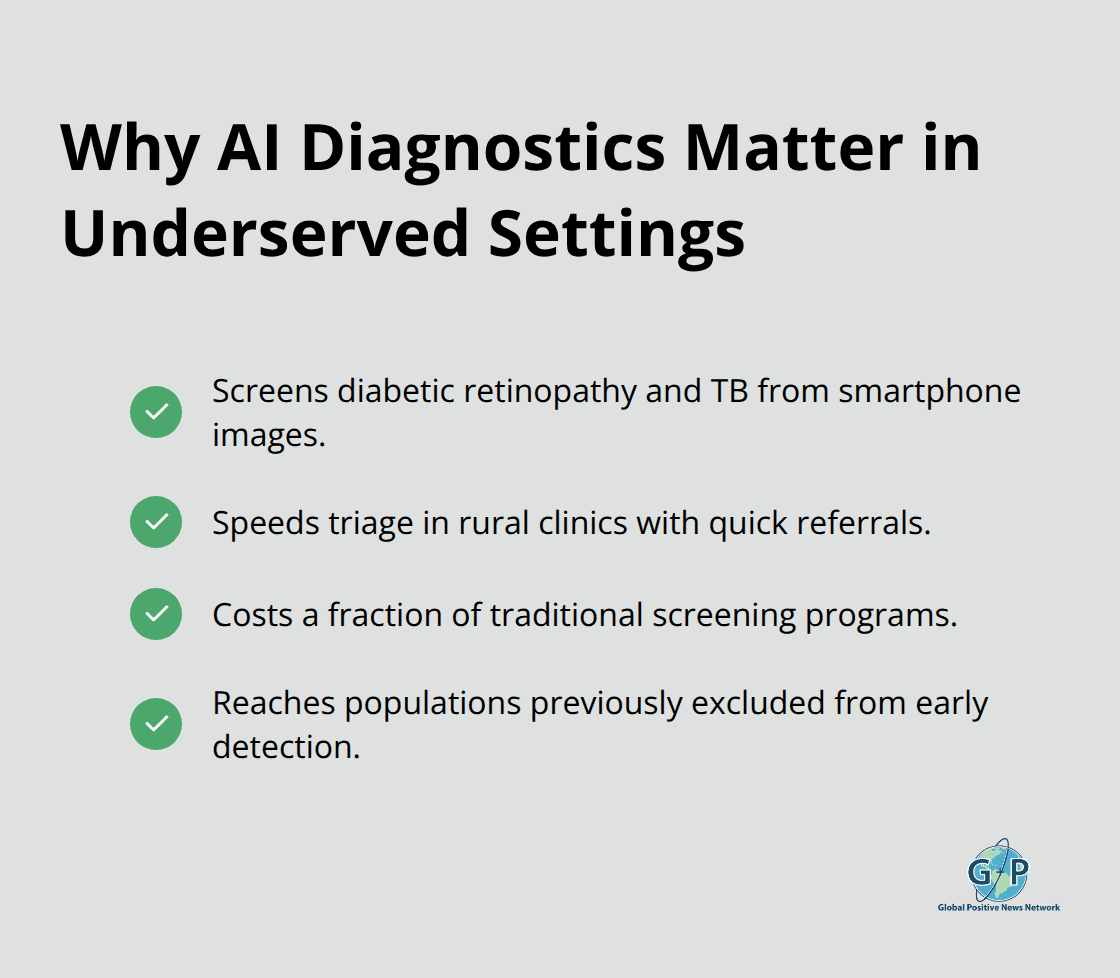
AI-powered diagnostic tools in developing countries screen for diseases like diabetic retinopathy and tuberculosis from smartphone images, reducing diagnostic delays that typically cost lives. Healthcare workers in rural clinics use these tools to triage patients efficiently, prioritizing those needing immediate specialist referral. The economics matter here-AI diagnostics cost a fraction of traditional screening programs while reaching populations previously excluded from early detection.
Implementation requires human capacity, not just software
The real impact depends on integration with existing health systems and training local staff to interpret AI recommendations rather than treating algorithms as black boxes. Organizations rolling out these tools must invest equally in human capacity and data infrastructure, not just software deployment. Without this foundation, even sophisticated AI systems fail to generate intended health outcomes. Education accessibility has transformed through AI translation and personalized learning systems that adapt content to individual student needs, though implementation quality varies widely across regions. Students in underserved areas access quality educational content without waiting for local infrastructure investment. These advances in AI and biotechnology reveal a pattern: technology alone doesn’t solve problems-human expertise, institutional support, and thoughtful integration determine whether innovations actually improve lives.
Biotechnology Reshapes Medical Treatment from Lab to Patient
Custom gene therapies move from theory into clinical practice
Gene editing and personalized medicine now transition from experimental stages into clinical reality at a pace that seemed impossible just years ago. A patient with an ultrarare disease received treatment using a bespoke base editor, marking a turning point where custom genetic therapies become actual interventions rather than theoretical possibilities. Regulatory pathways have streamlined to test similarly tailored therapies, meaning AI-assisted genetic analysis identifies disease mechanisms faster than conventional approaches ever could. This shift matters because ultrarare diseases affect small populations, making traditional drug development economically unviable. Personalized medicine solves this by targeting specific genetic mutations in individual patients rather than searching for one-size-fits-all treatments.
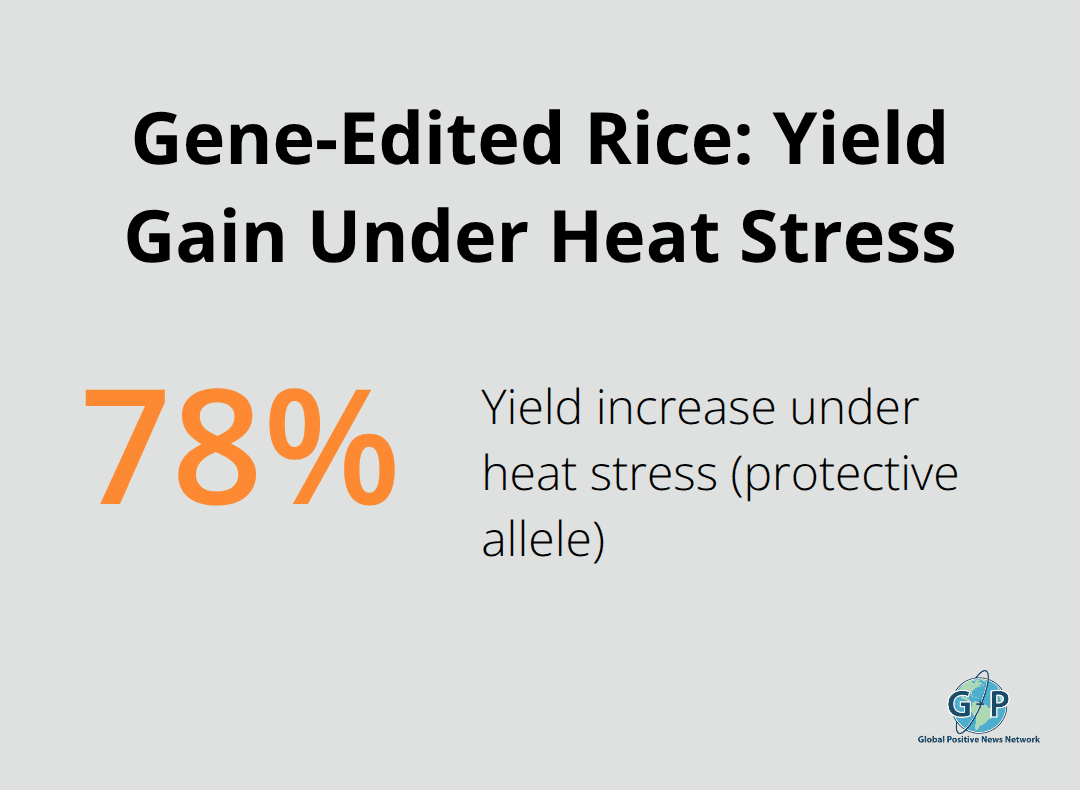
The economics are shifting too: as manufacturing costs for custom therapies decline, treatments that cost millions today will reach broader patient populations within five years. Heat-tolerant rice varieties developed through gene editing demonstrate this principle at scale. A protective allele increases yield by up to 78 percent under heat stress and reduces chalky grain, according to research published in Cell. This same approach transfers to other crops, securing food supply under warming climates while reducing the need for chemical inputs that damage soil health.
New antibiotics outpace resistance patterns
Antibiotic resistance demands biotechnology solutions because traditional drug development cannot keep pace with evolving pathogens. Gepotidacin and zoliflodacin represent new oral antibiotics for gonorrhea, developed with computational support and showing phase 3 efficacy that outpaces existing resistance patterns. These drugs matter because they enable pill-based treatment instead of injections, addressing a critical public health gap where resistance shifts faster than healthcare systems can respond.
Xenotransplantation addresses organ shortage crises
Regenerative medicine applications focus on addressing organ shortages through xenotransplantation advances. Genetically engineered pig organs have demonstrated longer function in humans and led to regulatory approvals for early clinical trials, moving closer to solving the shortage of donor organs that claims lives globally.
Implementation determines whether breakthroughs save lives
Healthcare systems in developed nations can absorb new biotechnologies relatively quickly, but rural and underserved regions need targeted strategies to access these breakthroughs. Organizations deploying personalized gene therapies must invest simultaneously in genetic counseling, informed consent processes, and follow-up monitoring systems. Without this foundation, even breakthrough treatments fail to generate intended outcomes. Implementation requires matching biotechnology innovation with clinical infrastructure and trained personnel to manage these complex treatments. The pattern across biotechnology mirrors what happened with AI diagnostics: technology alone solves nothing. Human expertise, institutional capacity, and thoughtful integration determine whether innovations actually save lives and improve health outcomes across populations.
Final Thoughts
Technology alone never solves global challenges-humans guide implementation and determine outcomes. Renewable energy now powers economies at lower costs than fossil fuels, but grid stability requires storage systems and skilled engineers managing complex networks. AI accelerates medical breakthroughs and environmental monitoring, yet diagnostic tools save lives only when healthcare workers interpret results and patients receive follow-up care. Gene therapies and new antibiotics represent genuine advances against disease, but clinical infrastructure and trained personnel decide whether innovations reach patients who need them most.
The technologies for hopeful futures outlined in this post succeed because institutions, communities, and individuals commit to scaling them. Heat-tolerant crops developed through gene editing secure food supplies under warming climates. Floating solar farms and offshore wind installations expand clean energy capacity without consuming agricultural land. AI diagnostics reaching rural clinics mean early disease detection for populations previously excluded from screening programs. Xenotransplantation advances address organ shortages that claim lives globally (and regulatory pathways now streamline approval for these interventions).
Momentum accelerates across energy systems, healthcare, agriculture, and environmental protection. Renewable energy installations expand daily, regulatory pathways streamline for personalized gene therapies, and manufacturing costs decline for technologies that seemed impossibly expensive years ago. We at Global Positive News Network track these breakthroughs because they demonstrate what becomes possible when innovation meets human commitment. The question isn’t whether these innovations work-it’s how quickly communities and institutions scale them to address the challenges that matter most.

Having a hard day?
The 2 Minute Hope Reset is a short free guide with three small practices for the days that feel heavy. Two minutes each, nothing to keep up with.
Get the free guideExplore more positive news:
Enjoying stories like this?
Global Positive News Network is reader-supported. If you’d like to support the mission, you can visit the Official GPNN store.