

Most relationships fail not because people stop caring, but because they stop communicating. At Global Positive News Network, we’ve found that the gap between struggling couples and thriving ones comes down to a few concrete practices.
This guide offers positive relationships advice grounded in what actually works. You’ll find practical strategies to build trust, avoid common pitfalls, and strengthen your connection with intention.
Building Trust Through Honest Conversation
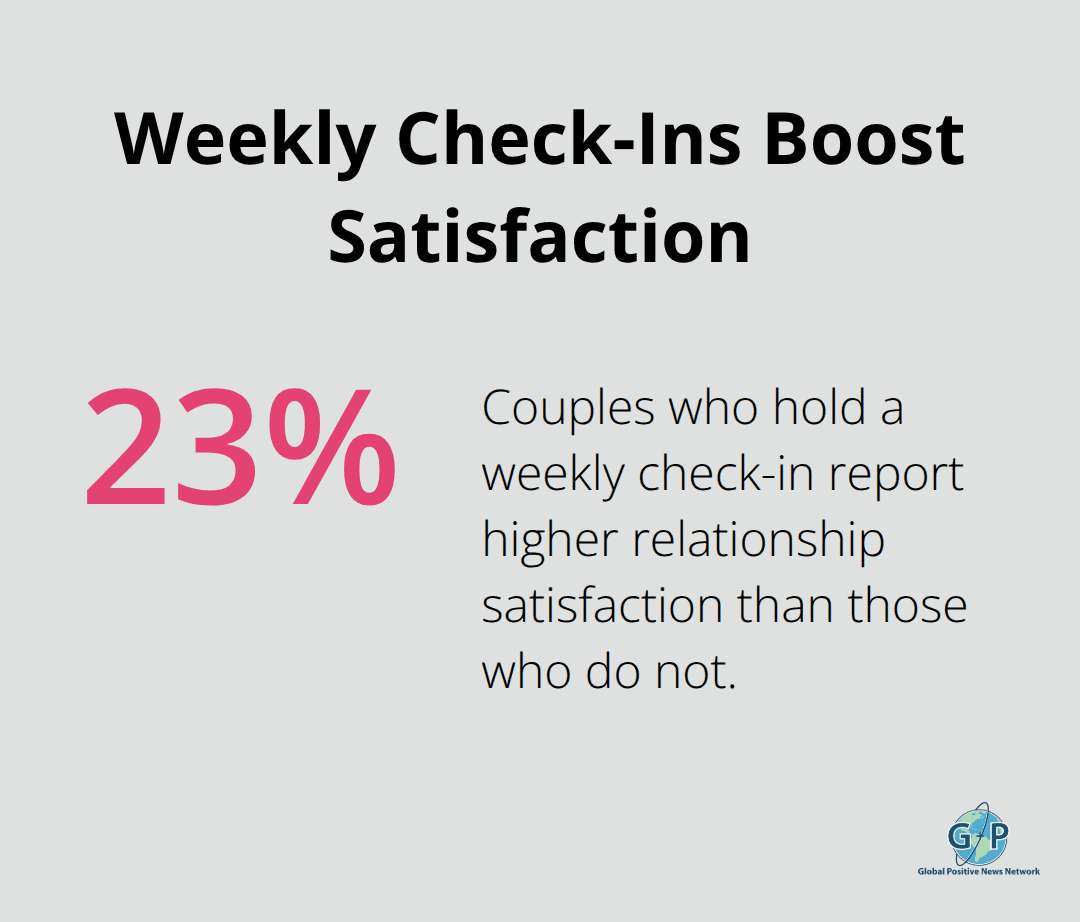
Trust doesn’t appear overnight, and it certainly doesn’t survive without honest conversation. The research backs this up: couples who engage in weekly check-in conversations report 23% higher satisfaction rates than those who don’t. Start these conversations by moving beyond surface-level updates about work or schedules. Instead, create a dedicated time each week where you sit down without phones and discuss what’s actually happening in your emotional world.
This isn’t about solving problems immediately; it’s about making space for vulnerability. Many couples wait until tension builds before talking, which means they’re discussing issues when emotions run hot. Weekly conversations prevent this spiral by normalizing dialogue before resentment accumulates.
Listen to Understand, Not to Respond
Active listening is where most people fail. Your instinct is to defend yourself, offer solutions, or wait for your turn to speak. Instead, when your partner shares something, understand their perspective fully before you react. Ask clarifying questions like “What did that feel like for you?” or “Help me understand what you needed in that moment?” rather than jumping to why they’re wrong.
Reflective listening (where one person restates what they heard before responding) is a technique that takes practice, but the payoff is substantial: your partner feels genuinely heard, which reduces defensiveness and opens pathways to real resolution.
Address Problems While They’re Small
Waiting to discuss issues is a relationship killer. Small frustrations grow into resentment within weeks if left unaddressed. When something bothers you, bring it up calmly and specifically within a few days. Instead of saying “You never help around the house,” try “I noticed the dishes piled up this week and I felt overwhelmed. Could we talk about how to split kitchen tasks differently?”
Specific observations prevent your partner from feeling attacked, which keeps the conversation productive rather than defensive. This direct approach requires courage, but avoiding difficult conversations guarantees they’ll become much harder later. The next section explores how to strengthen your bond beyond these foundational conversations.
Practical Strategies for Strengthening Bonds
Make Time Together Count
Quality time doesn’t mean sitting on the same couch scrolling your phones. It means focused interaction and presence where both partners feel valued. Research shows that couples who engage in new and exciting activities together report higher relationship satisfaction. The key is consistency and intentionality.
Schedule this time like you would a work meeting-non-negotiable and protected from distractions. This could be a weekly dinner date, a Saturday morning walk, or even thirty minutes before bed where you discuss your day without screens. What matters most is that you show up mentally, not just physically. During this time, ask questions about your partner’s inner world.
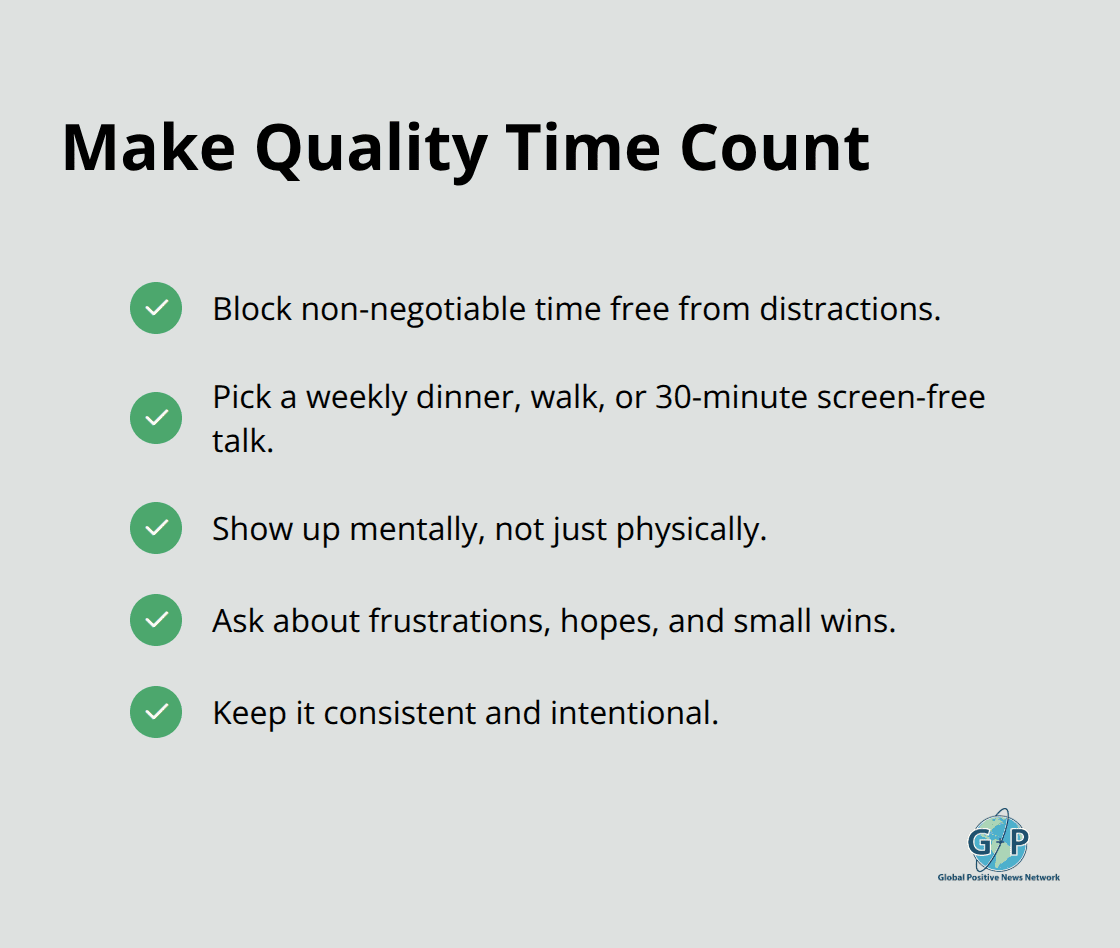
What frustrated them this week? What are they looking forward to? What small win did they have that nobody noticed? These conversations deepen connection far more than passive activities like watching television together.
Express Gratitude With Specificity
Appreciation works differently than most people think. Saying thank you occasionally won’t cut it-you need to be specific and frequent. Express gratitude three or more times weekly to strengthen your relationship through this powerful habit.
Instead of generic praise, point out concrete actions. Say what you noticed and why it mattered to you. For example, tell your partner you appreciated how they listened when you were stressed, or how they handled a difficult situation with patience. This specificity makes appreciation feel genuine rather than obligatory.
Support Their Personal Growth
Supporting each other’s personal goals is equally critical but often overlooked. When your partner mentions wanting to learn something new, take a class, or pursue a hobby, actively support it. Ask about their progress, celebrate small wins, and create space in your schedule for them to pursue these things (even when it requires sacrifice on your part).
This signals that you view them as a complete person with their own aspirations, not just as your partner. Couples who actively encourage each other’s growth report higher satisfaction and lower conflict rates, according to research from the Journal of Social and Personal Relationships. These intentional practices build a foundation strong enough to weather the relationship challenges that inevitably arise-which is exactly why understanding common pitfalls matters so much.
Common Relationship Pitfalls to Avoid
Most couples don’t break up over one catastrophic event. They fracture because small problems compound into irreparable damage. The first major mistake is ignoring irritations when they’re manageable. A partner forgets to text back, leaves dishes in the sink, or makes a comment that stings slightly. You let it slide thinking it’s not worth mentioning. Two weeks later, the same behavior happens again, and now you’re frustrated. A month in, resentment has built so thick that when you finally mention it, your partner feels blindsided and attacked rather than hearing a simple request.
Research from the Gottman Institute shows that couples who stay together maintain significantly more positive interactions than those who separate, but those who survive are those who manage the conflict early rather than let it fester. The solution is brutally simple: address small issues within days, not weeks. If something bothers you, name it specifically and calmly. This prevents the accumulation of resentment that makes couples feel disconnected and hostile toward each other.
Feedback That Builds Rather Than Wounds
The second pitfall is weaponizing criticism instead of offering constructive feedback. There’s a massive difference between saying your partner is lazy versus saying you felt frustrated when the laundry pile sat for a week and you weren’t sure what the plan was. One attacks their character; the other describes a specific situation and your emotional response.
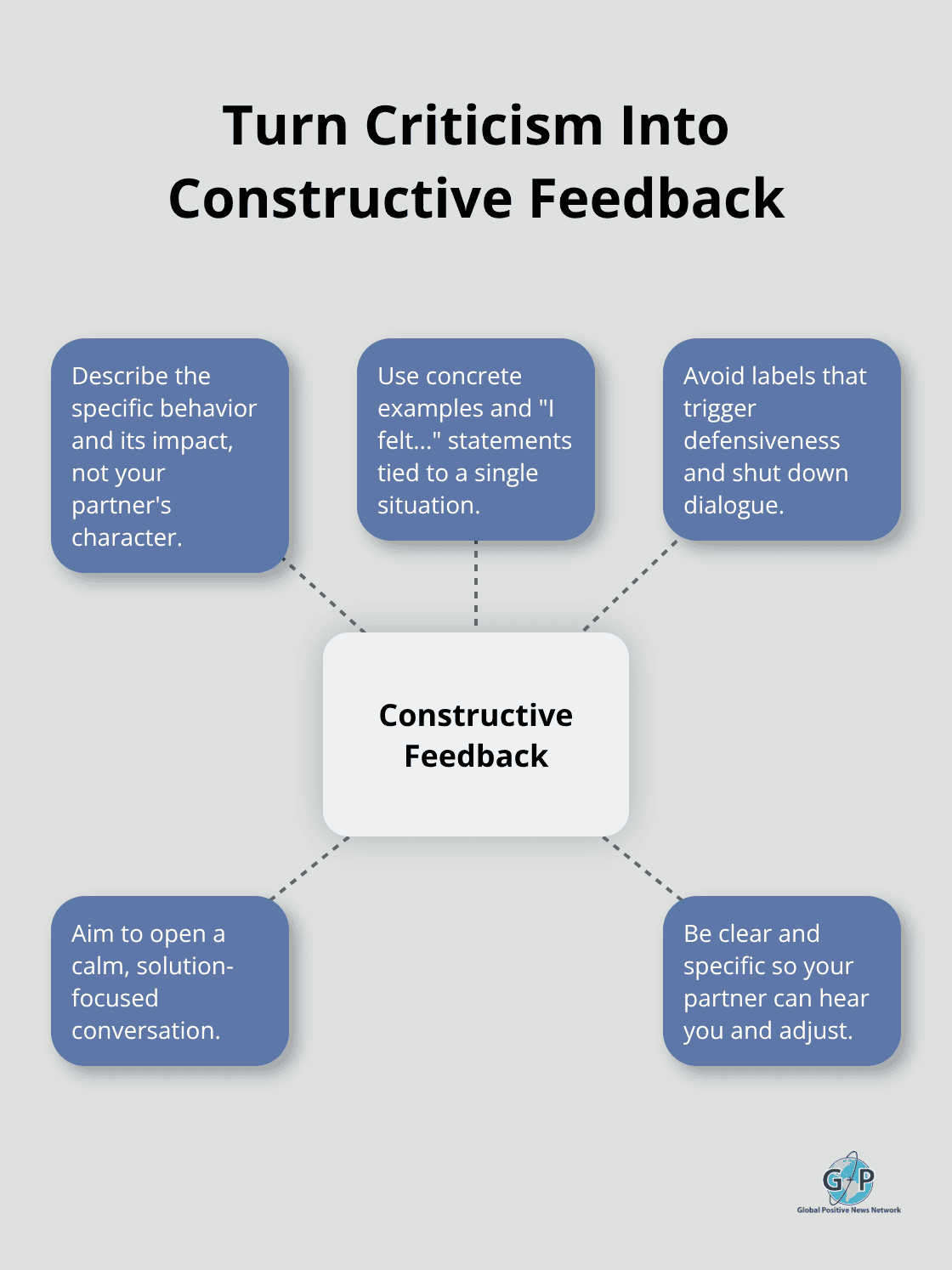
Criticism triggers defensiveness, which shuts down communication immediately. Constructive feedback opens dialogue because it doesn’t require your partner to defend themselves. When you focus on behavior and impact rather than personality flaws, your partner can actually hear you and adjust.
The Slow Erosion of Appreciation
The third mistake is the slow erosion of appreciation. Taking your partner for granted doesn’t happen overnight. It starts when you stop noticing the small things they do (making coffee, handling logistics, being patient when you’re stressed). After months of this invisibility, your partner stops trying as hard because their effort feels pointless.
The antidote is specificity in gratitude, which we discussed earlier, but it requires conscious effort. Set a reminder if you must. Thank them three times weekly for concrete actions. This prevents the emotional distance that comes from feeling unvalued.
Final Thoughts
Your relationship thrives when you treat it as something worth protecting before problems escalate. Weekly check-ins prevent resentment from building, specific gratitude prevents your partner from feeling invisible, and direct conversations about small issues stop them from becoming relationship-ending conflicts. These practices work because they align with how humans actually function, not because they follow some theoretical framework.
The positive relationships advice throughout this guide demands three things from you: consistency, specificity, and courage. You show up honestly, address problems early, and express appreciation regularly. Most couples know what they should do; they simply fail to do it because life gets busy and old patterns feel easier than new ones. Schedule quality time and protect it fiercely, ask your partner about their inner world regularly, and notice what they do while telling them specifically why it matters.
If you want more inspiration on building positive connections in all areas of your life, Global Positive News Network shares stories of personal triumphs and acts of kindness that remind us what’s possible when people show up for each other. The relationships that thrive aren’t the ones without problems-they’re the ones where both people choose to communicate, listen, and appreciate each other consistently.
Having a hard day?
The 2 Minute Hope Reset is a short free guide with three small practices for the days that feel heavy. Two minutes each, nothing to keep up with.
Get the free guideExplore more positive news:
Enjoying stories like this?
Global Positive News Network is reader-supported. If you’d like to support the mission, you can visit the Official GPNN store.