
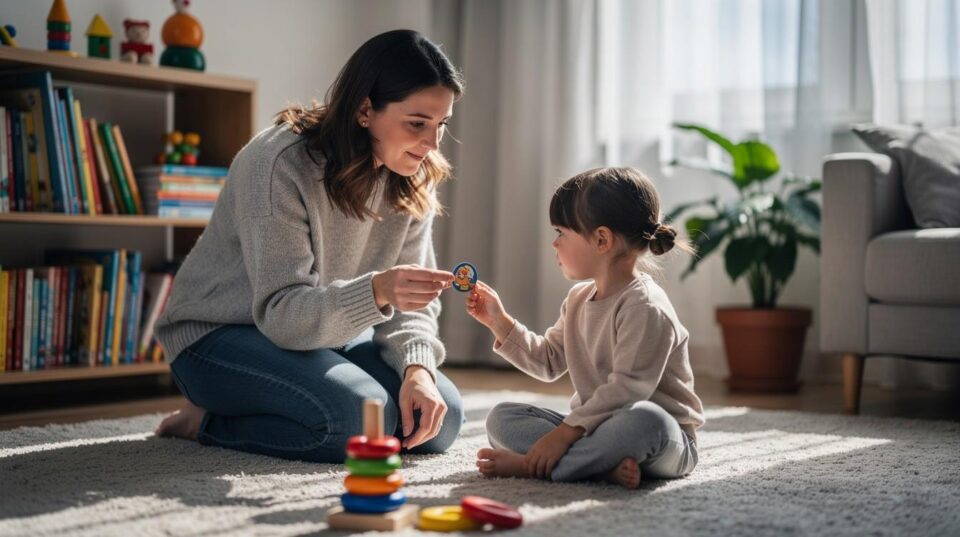
Confident, compassionate kids don’t happen by accident. They grow from intentional parenting choices that build emotional strength and genuine connection.
At Global Positive News Network, we believe positive parenting tips work best when they’re grounded in real family life. This guide shows you exactly how to nurture these qualities in your children through everyday actions.
Building Emotional Intelligence Through Real-World Practice
Teach Kids to Recognize and Name Their Emotions
Emotional intelligence separates children who handle setbacks gracefully from those who spiral into frustration. Research from the Yale Center for Emotional Intelligence shows that children who can identify and name their emotions perform better academically and have stronger relationships. Your child needs to recognize what they’re actually feeling. Instead of accepting vague answers like “I’m sad,” ask specific questions: Are you disappointed? Angry? Lonely? Overwhelmed? You give emotions concrete labels so your child builds a functional vocabulary for their internal world.
When your child says they’re upset, pause and ask them to point to where they feel it in their body. This simple practice trains their brain to connect physical sensations with emotional states-a skill that prevents emotional outbursts before they happen.
Model Healthy Emotional Expression
Your child learns emotional expression by watching you, not by listening to your lectures. If you explode in anger when traffic slows you down, your child learns that anger means yelling. If you take three deep breaths and say “I’m frustrated right now, and I need a moment,” your child learns that naming emotions and pausing before reacting is normal.
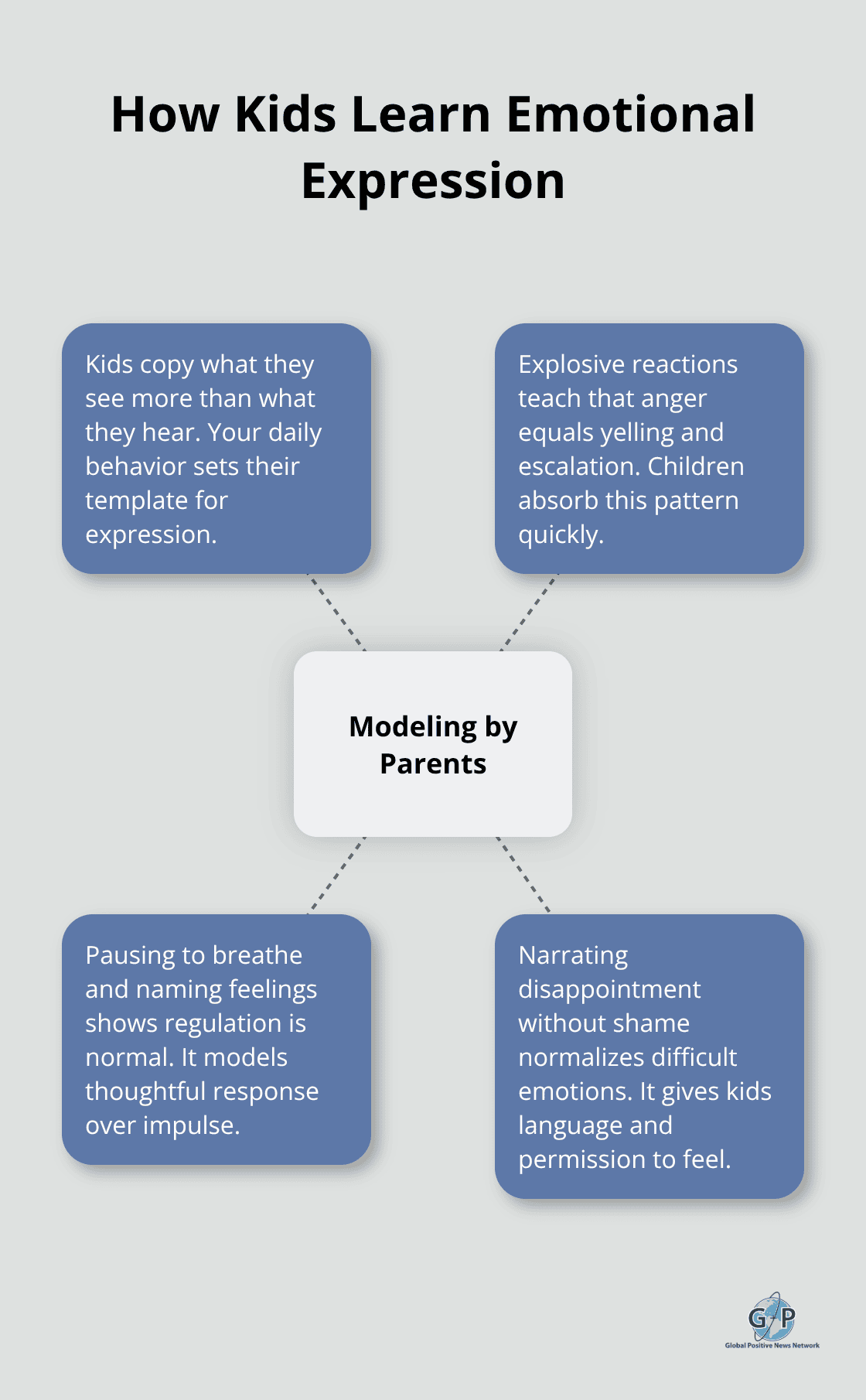
Model what healthy emotional expression looks like in your daily life. When something disappoints you, say it out loud: “I’m really frustrated because I made a mistake on that report, but I’m going to fix it tomorrow.” This gives your child permission to experience difficult emotions without shame.
Validate Your Child’s Feelings Without Judgment
The critical move is validation without fixing. When your child cries because a friend excluded them, resist the urge to say “It’s not a big deal” or “You’ll make other friends.” Instead, sit with them and say “That sounds really painful, and it makes sense you’re upset.”
Validation means you acknowledge their emotion as real and legitimate, even if you disagree with their interpretation. Research shows that children whose emotions receive consistent validation develop stronger emotional regulation skills as they grow. This foundation of emotional intelligence becomes the bedrock for everything else-and it directly shapes how your child communicates with others.
Creating a Safe Environment for Open Communication
Open communication doesn’t happen when you schedule it into your calendar and expect magic. It happens when your child feels safe enough to tell you things that matter, which requires consistent presence and genuine curiosity about their world. The research is clear on this: children who experience regular one-on-one attention from their parents report higher confidence and better emotional regulation. You need to show up physically and mentally, not just occupy the same space while checking your phone.
Establish Regular One-on-One Time With Your Kids
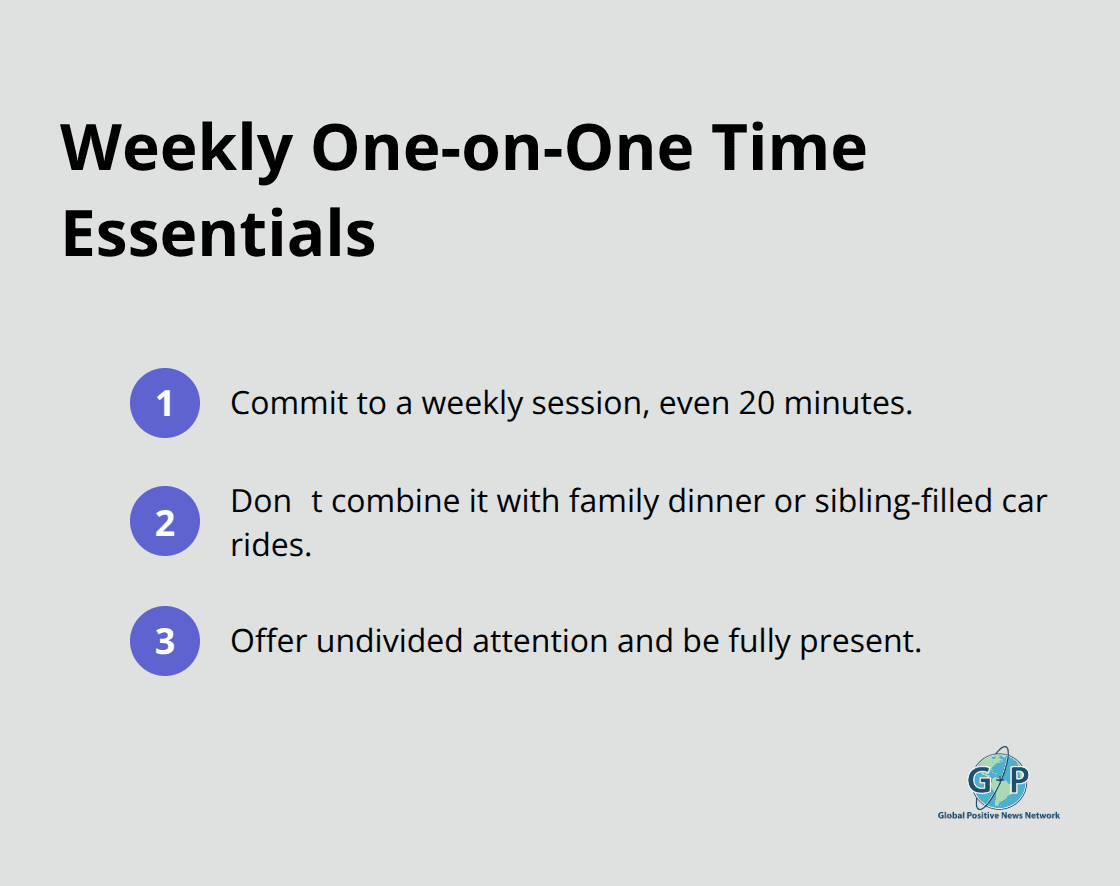
Set a non-negotiable weekly one-on-one time with each child, even if it’s just 20 minutes. This isn’t family dinner or a car ride where siblings compete for attention. It’s dedicated time where your child knows you’re fully present.
During this time, ask questions that require more than yes or no answers. Instead of asking what they did at school, ask what made them laugh today or what frustrated them. When they answer, resist the urge to jump in with advice or corrections.
Research shows that strong parent child communication is linked to higher confidence, better academic performance, and improved social skills.
Ask Open-Ended Questions and Listen Actively
Open-ended questions shift conversations from surface-level reporting to genuine connection. They invite your child to think, reflect, and share what actually matters to them. This practice transforms ordinary moments into opportunities for real understanding.
When your child talks, your full attention matters more than your response. Put your phone away, make eye contact, and resist the urge to interrupt with your own stories or solutions. Your child learns that their thoughts and feelings have value when you treat them that way.
Respond to Mistakes With Curiosity Rather Than Punishment
When your child makes a mistake, your instinct might be to punish or lecture, but curiosity works faster. Ask them what happened, why they think it happened, and what they’d do differently next time. This approach teaches accountability without shame, which means your child actually learns from the mistake instead of just fearing punishment.
If your child breaks something expensive or lies about their homework, respond with genuine questions: What made you choose that? What were you hoping would happen? What do you think should happen now? These questions shift the conversation from blame to understanding, and your child learns to reflect on their choices rather than hide them.
Children whose parents respond to mistakes with punishment become better at lying, not better at making good decisions. When you respond with genuine curiosity, your child learns that mistakes are information, not disasters, and they’re far more likely to come to you when they need help. This foundation of trust and safety sets the stage for the next critical parenting skill: teaching your child to extend that same compassion and understanding to others.
Teaching Kindness Through Real Actions
Kindness isn’t something your child absorbs from lectures about being nice. It develops when they actually practice it and see the results of their actions in real time. The most effective way to build this habit is through direct involvement in activities that help others, where your child witnesses the immediate impact of what they do.
Involve Children in Community Service and Volunteering
When your child volunteers at an animal shelter and sees a scared dog calm down as they pet it, or helps pack food boxes at a community center and learns those boxes feed families in their neighborhood, something shifts in their brain. They move from abstract ideas about helping to concrete understanding that their actions matter.
Volunteering helps kids understand how others live, building their sense of empathy. Try manageable commitments that fit your family’s schedule-a monthly food bank shift, a quarterly visit to a nursing home, or seasonal park cleanups. The frequency matters less than consistency. Your child needs to see that helping isn’t a one-time event but part of how your family operates.
Practice Gratitude as a Family Ritual
Gratitude works as a practical foundation for kindness because it shifts your child’s attention from what they lack to what they have and who provides it. Create a specific family ritual around gratitude rather than leaving it vague. At dinner three times a week, have each person share one thing someone did for them that day and one thing they did for someone else.
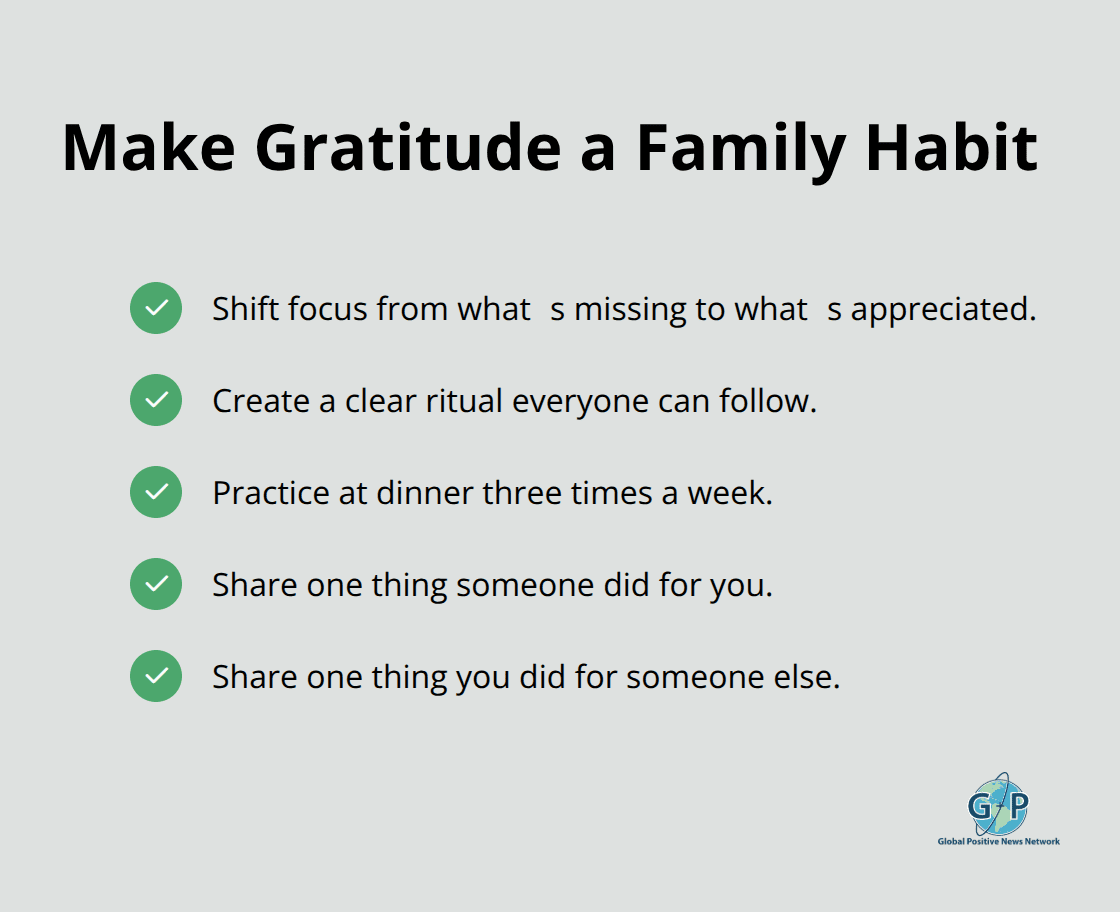
This dual focus trains your child to notice both receiving and giving. When your child articulates that their friend shared their snack or that they helped a classmate find their lost backpack, they’re building awareness of how relationships work-they’re reciprocal, not one-directional. After a few weeks of this practice, your child’s brain starts automatically noticing these moments.
Discuss How Actions Affect Others
Pair gratitude conversations with direct discussions about how specific actions affect specific people. Don’t say helping is good. Instead, ask your child what they think happened to their classmate’s day when they included them at lunch, or how the elderly person at the nursing home felt when your child read to them.
This direct cause-and-effect reasoning teaches empathy more effectively than any character education curriculum. Your child learns that kindness isn’t about being a good person in the abstract-it’s about understanding that their choices create real outcomes in other people’s lives (outcomes that matter to real people they know and care about).
Final Thoughts
Positive parenting tips work because they rest on three foundational truths: children need to understand their emotions, they need to feel safe enough to communicate honestly, and they need to practice kindness in ways that show them their actions matter. When you combine these elements consistently, your child’s relationship with themselves and others transforms. Children who develop emotional intelligence early perform better academically, maintain healthier relationships, and handle stress more effectively as adults-they’re less likely to struggle with anxiety or depression because they’ve learned to recognize and process their emotions instead of suppressing them.
Starting your positive parenting journey doesn’t require perfection or overhauling everything at once. Pick one practice from this guide and commit to it for two weeks (maybe it’s establishing weekly one-on-one time, or maybe it’s asking open-ended questions instead of yes-or-no ones). Once that becomes natural, add another practice, and small, consistent changes compound into transformed relationships with your children.
You’re not just raising kids who follow rules-you’re raising humans who understand themselves, connect authentically with others, and contribute meaningfully to their communities. For more stories about families thriving through intentional connection and community impact, visit Global Positive News Network.
Having a hard day?
The 2 Minute Hope Reset is a short free guide with three small practices for the days that feel heavy. Two minutes each, nothing to keep up with.
Get the free guideExplore more positive news:
Enjoying stories like this?
Global Positive News Network is reader-supported. If you’d like to support the mission, you can visit the Official GPNN store.