
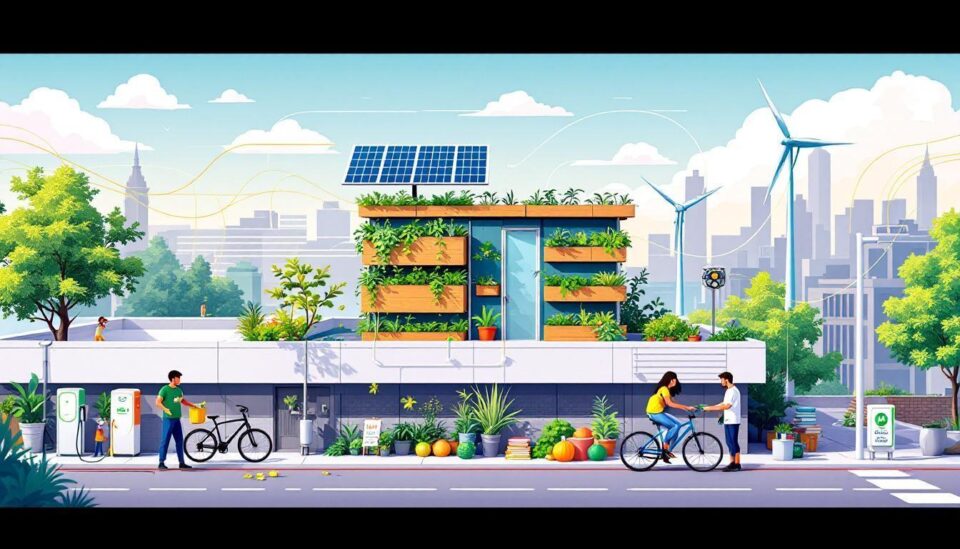
Sustainability-oriented innovations are no longer distant promises. They’re reshaping how we generate energy, manufacture products, and consume goods right now.
At Global Positive News Network, we’ve tracked the real breakthroughs happening across renewable energy, circular economy models, and consumer movements. These changes aren’t just environmental wins-they’re sparking genuine action at every level, from corporate boardrooms to neighborhood initiatives.
Renewable Energy Breakthroughs Driving Global Change
Solar adoption in the United States reached approximately 3.7% of homes by 2020, but acceleration is happening now through dramatic cost reductions and efficiency improvements. Panel prices have dropped over 90% in the past decade, making residential and commercial installations economically viable without subsidies in many regions. Bifacial panels and perovskite-tandem solar technology push laboratory efficiency gains into real-world deployment, with some systems now capturing energy from reflected light and achieving conversion rates previously thought impossible.
Wind power expands at scale
Wind power expansion mirrors this trajectory, with offshore wind farms delivering consistent capacity factors above 50% compared to onshore averages of 35-45%. Global wind installations added roughly 73 gigawatts of capacity in 2023 alone, according to the International Energy Agency, driven by supply chain maturity and turbine designs that operate effectively in lower wind speeds. The cost-per-megawatt-hour for wind electricity now competes directly with fossil fuels in most markets, eliminating the financial argument against deployment.
Energy storage reshapes renewable viability
Long-duration energy storage solutions move from experimental projects to commercial reality. Flow batteries, thermal storage systems, and perovskite-tandem solar paired with storage close the gap between renewable generation and 24/7 demand, addressing the intermittency problem that previously limited grid penetration. Smart grid technology powered by artificial intelligence deploys autonomous agents that optimize distribution in real time, manage demand through connected devices like EV chargers and HVAC systems, and predict maintenance needs before failures occur.
Water efficiency becomes strategic
Data centers consume roughly 2 million liters of water daily per facility (equivalent to supplying about 6,500 homes), making water-efficient cooling systems and recycled-water pilot programs increasingly strategic investments rather than environmental gestures. Europe is tightening data-center water reporting requirements, accelerating adoption of recycled wastewater cooling and zero-water concepts across the continent.
Supply chains face regulatory pressure
The EU Carbon Border Adjustment Mechanism moves from reporting to payment in 2026, creating immediate financial pressure on supply chains to transition away from carbon-intensive processes. The mechanism covers cement, aluminum, fertilizers, iron, steel, hydrogen, and electricity production. Companies audit supply-chain emissions today and gain competitive advantage tomorrow, as four out of five supply chain professionals now recognize supply-chain challenges as factors affecting growth, according to IMD research.
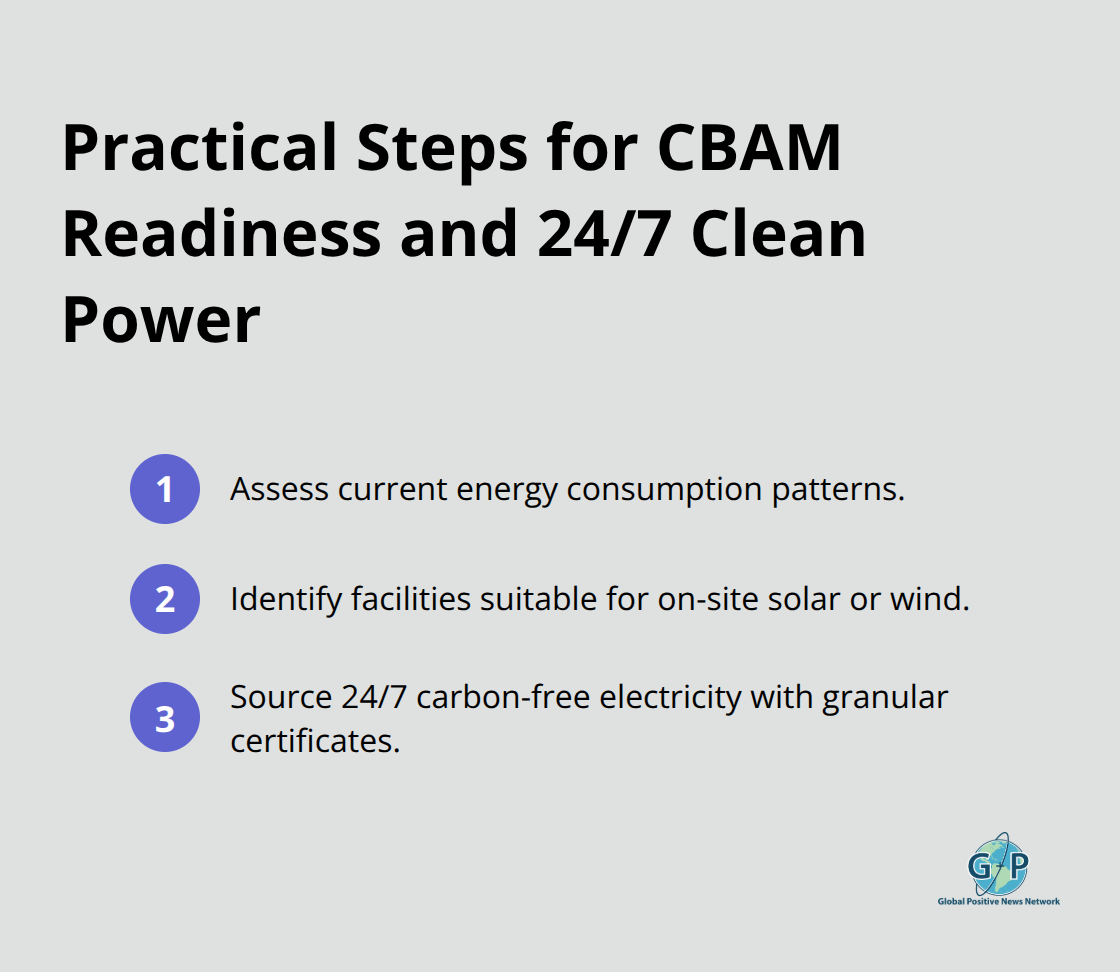
The practical action is straightforward: assess your current energy consumption patterns, identify which facilities can support solar or wind installation, and source from renewable energy providers offering 24/7 carbon-free matching through granular certificates that validate hourly, location-specific power delivery. These energy transitions set the foundation for the circular economy models that are now transforming how industries design, manufacture, and recycle their products.
Circular Economy Models Transforming Industries
Circular economy principles have moved from corporate sustainability reports into actual manufacturing floors and product design studios. The shift is real and measurable. Companies now design products expecting them to be returned, disassembled, and their materials fed back into production cycles rather than landfills. Unilever, Interface, and Philips have embedded circular thinking into core operations, treating material recovery as a supply-chain security strategy rather than an environmental gesture. Interface, a carpet manufacturer, operates a take-back program where worn carpet tiles return to their facilities for recycling into new products, reducing virgin material dependency and locking in material costs against commodity price volatility. The financial case is straightforward: securing access to critical materials through recycling costs less than exposure to geopolitical supply disruptions and price spikes. Coffee prices jumped roughly 40% in 2024, and cocoa prices have climbed around 400% over recent years, according to IMD research. Companies that control material loops through circular design avoid these shocks.
Designing products that last
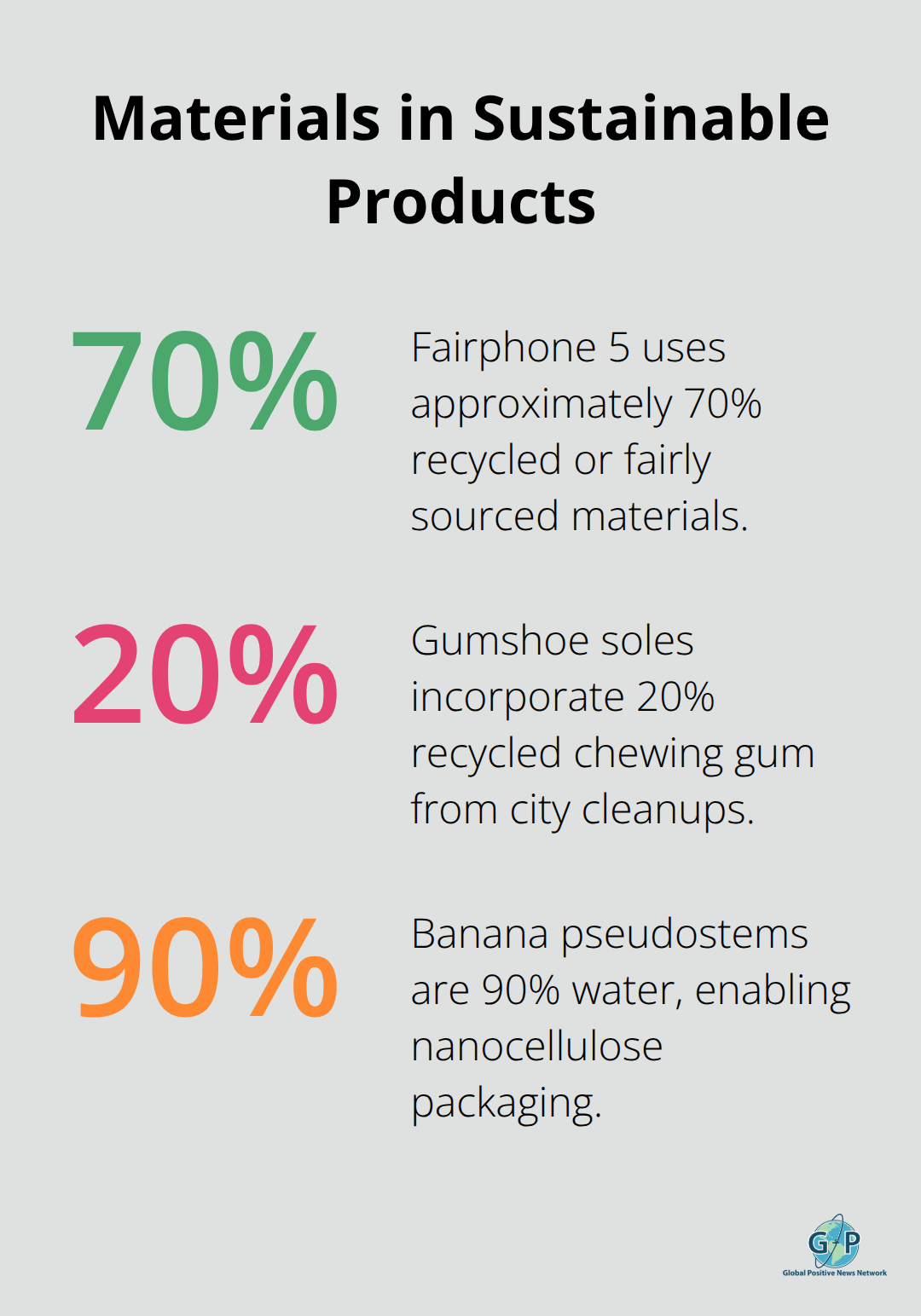
Product longevity directly reduces waste and resource consumption. The Fairphone 5 demonstrates this principle with a removable battery and approximately 70% recycled or fairly sourced materials, making it the most sustainable smartphone option available today according to Forbes. Longer-lasting products mean fewer replacements, lower manufacturing emissions, and reduced e-waste generation. Companies audit their current product lifecycles to identify where durability fails, then redesign components for repairability and material recovery. Fashion brands now shift toward fibers like bamboo, hemp, TENCEL, and soy cashmere instead of petroleum-based synthetics, cutting chemical processing and lowering laundering impacts over a product’s lifetime.
Virtual try-on technology reduces returns and associated waste (Zalando and other retailers have deployed this practice to measurable effect).
Converting waste into commercial products
Wine pomace, the leftover solids from wine production, generates roughly 200,000 tonnes annually in Germany alone. Rather than disposal, companies now convert this waste into Tresta, a biodegradable material used for wine coolers, lamps, and potentially sound-absorbing tiles and 3D-printed products through different natural binders. Banana plantation waste becomes nanocellulose packaging because pseudostems are 90% water and milling them yields material that biodegrades in about six months, according to UNSW Sydney research. Cornflake byproducts transform into polystyrene-alternative packaging beads through work at the University of Göttingen. These aren’t theoretical pilots-they’re commercial operations converting waste into products with market demand.
Building the economics of material recovery
Companies serious about circularity audit their own waste streams and nearby industrial byproducts to identify materials worth recovering, then partner with researchers or material scientists to develop viable products. The economics work when waste collection costs are lower than virgin material prices and when products solve real customer problems rather than existing solely for environmental credibility. Material recovery as a strategic lever now shapes how leading companies approach supply-chain resilience, competitive advantage, and long-term profitability. This foundation in circular design and material security sets the stage for understanding how consumer movements are accelerating these shifts across entire markets and communities.
Sustainable Consumer Movements Reshape Markets
Consumer demand for sustainable products has moved beyond niche preference into mainstream purchasing behavior, fundamentally altering which companies survive and which ones grow. This shift isn’t driven by marketing campaigns alone-it’s driven by people recognizing that their choices create measurable economic pressure on entire industries. When enough customers choose products made from recycled materials, designed for durability, or manufactured with transparent supply chains, companies abandon wasteful practices not because regulations force them, but because profit margins depend on it. These companies didn’t make the list through marketing-they made it through execution. Four out of five supply chain professionals now recognize supply-chain challenges as factors affecting growth, according to IMD research, meaning businesses that ignore consumer preferences for sustainability face real competitive disadvantage.
Products That Prove Market Demand
Gumshoe shoes demonstrate this principle directly: the company incorporates 20% recycled chewing gum into shoe soles, sourcing material from Amsterdam’s city cleanup program which collects roughly 1.5 million kilograms of gum annually. They produced 500 pairs and sold out, proving that consumers will pay for products that solve environmental problems while delivering function. This isn’t theoretical demand-it’s revenue. Companies that test new sustainable materials in small batches first identify whether customers actually want them before committing to large-scale production. The financial risk drops when companies validate demand through pilot programs rather than betting entire product lines on environmental credentials alone.
Local Solutions Outpace Corporate Initiatives
Local communities discover that grassroots solutions often move faster than corporate initiatives and address specific, visible problems. Amsterdam’s chewing gum collection program works because it tackles a concrete issue and creates jobs while doing it. Banana plantation waste becomes commercial packaging because researchers at UNSW Sydney identified a specific byproduct stream and developed a viable product, partnering with manufacturers rather than waiting for policy support. Wine producers in Germany transform pomace into Tresta ceramics and sound-absorbing tiles because someone recognized waste as raw material. These initiatives succeed because they operate at the scale where problems are visible and solutions are testable.
Social Intrapreneurs Drive Change
Individuals driving these projects-social intrapreneurs within organizations or community leaders outside them-become the actual agents of change. They audit their local waste streams, identify partners who can convert waste into products, and build business models around material recovery. The practical action here is straightforward: identify waste streams in your neighborhood or industry, connect with researchers or material scientists working on conversion technologies, and test whether market demand exists before scaling. The most successful sustainability innovations emerge from this pattern: someone notices waste, someone else develops a conversion technology, customers recognize value, and suddenly a new market exists where none did before.
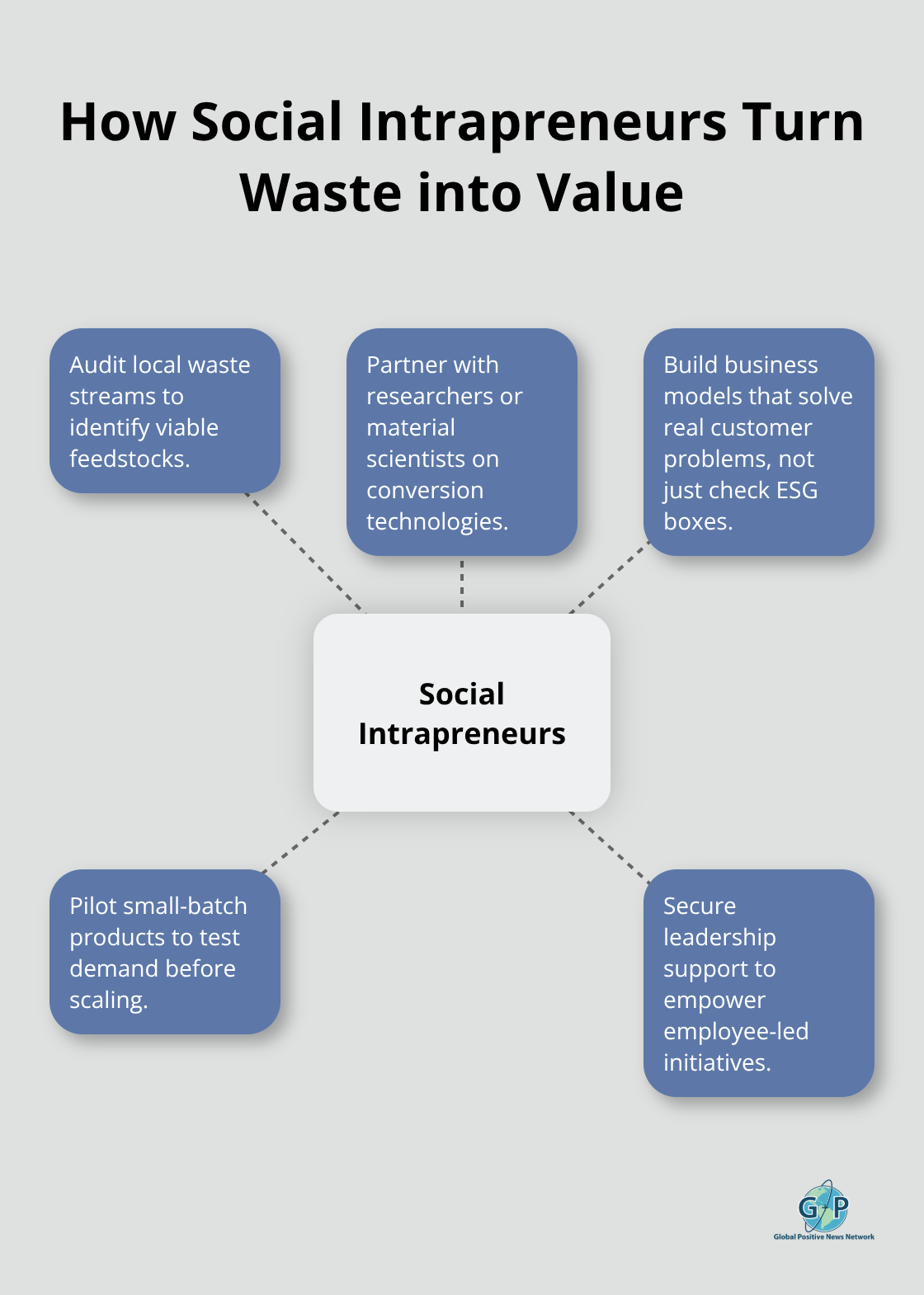
Companies that empower employees to champion these initiatives (rather than treating sustainability as a separate department function) accelerate the pace at which waste becomes opportunity.
Final Thoughts
Sustainability-oriented innovations succeed because they solve real problems while creating economic value. Solar panels generate cheaper electricity. Circular manufacturing secures material access against price volatility. Recycled materials reduce waste disposal costs. These aren’t environmental sacrifices-they’re competitive advantages that companies and communities exploit to build resilience and protect profit margins against commodity price spikes (coffee prices jumped 40% in 2024; cocoa prices climbed around 400% over recent years).
The acceleration happening right now across renewable energy, circular economy models, and consumer movements creates momentum that regulatory frameworks like the EU Carbon Border Adjustment Mechanism will amplify in 2026 and beyond. Companies that audit their supply chains and emissions today gain competitive advantage tomorrow. Communities that identify local waste streams and convert them into products build resilience while creating jobs.
Individuals and organizations can take concrete action now: audit your current operations, identify waste streams worth recovering, test whether market demand exists, and scale what works. We at Global Positive News Network track these real breakthroughs because they prove that positive change isn’t theoretical-it’s happening now, and it’s profitable.
Having a hard day?
The 2 Minute Hope Reset is a short free guide with three small practices for the days that feel heavy. Two minutes each, nothing to keep up with.
Get the free guideExplore more positive news:
Enjoying stories like this?
Global Positive News Network is reader-supported. If you’d like to support the mission, you can visit the Official GPNN store.