

The Bible contains powerful messages about hope, resilience, and inner strength that speak directly to our struggles today. At Global Positive News Network, we believe these timeless teachings offer practical guidance for building a more positive mindset.
This post explores specific passages, daily practices, and inspiring biblical figures who demonstrate how faith transforms adversity into growth. You’ll find concrete ways to weave biblical positivity into your routine and discover the wisdom that has sustained believers for centuries.
Which Bible Verses Actually Help You Overcome Adversity
The Bible doesn’t just offer comfort-it provides specific verses that rewire how you handle difficulty. Romans 8:28 states that God works all things together for good for those who love Him, but this verse works best when paired with action. Studies on resilience show that people who connect their struggles to a larger purpose recover faster from setbacks than those who view hardship as random. Isaiah 43:2 promises God will be with you through waters and through fire, protecting you from overwhelm. This isn’t metaphorical encouragement; neuroscience research indicates that believing you have support during stress activates your parasympathetic nervous system, lowering cortisol levels. The practical application here is straightforward: when facing adversity, write down Isaiah 43:2 and read it aloud during moments of panic. Your brain processes spoken words differently than silent reading, creating stronger neural pathways. Philippians 4:13 proclaims that Christ strengthens you to do all things, but the surrounding verses matter equally. Philippians 4:11-12 teaches contentment in any circumstance, not the toxic positivity that promises you can achieve anything through willpower alone. This distinction matters because false expectations about what faith can do often lead to disappointment and abandoned beliefs.
When Your Own Strength Runs Out
Psalm 73:26 teaches that God is the strength of your heart when your own strength fails. This verse acknowledges a reality most self-help content ignores: you will run out of personal resources. Hebrews 12:1-2 urges you to run the race with endurance while keeping your eyes on Jesus, not on your circumstances or competitors. The practical tip here involves creating a visual reminder. Write Hebrews 12:1-2 on a card and place it somewhere you’ll see it during your weakest moments-your bathroom mirror, your car dashboard, your work desk. Visual cues help you apply Scripture when you see it without effort.
Fear Loses Its Power
2 Timothy 1:7 reminds you that God gives a spirit of power, love, and self-control, not fear. When anxiety strikes, this verse directly counters the lie that fear is your natural state. Colossians 3:23-24 encourages you to work heartily as for the Lord to sustain motivation during mundane tasks. This transforms how you approach daily responsibilities-not as obligations to yourself, but as acts of service, which research shows increases satisfaction and reduces burnout.
Divine Love as Your Foundation
1 Peter 5:10 promises that the God of all grace will restore, confirm, strengthen, and establish you after suffering. Notice the progression: restore first, then confirm, then strengthen, then establish. This isn’t instant transformation; it’s a process. The practical application involves patience with yourself.
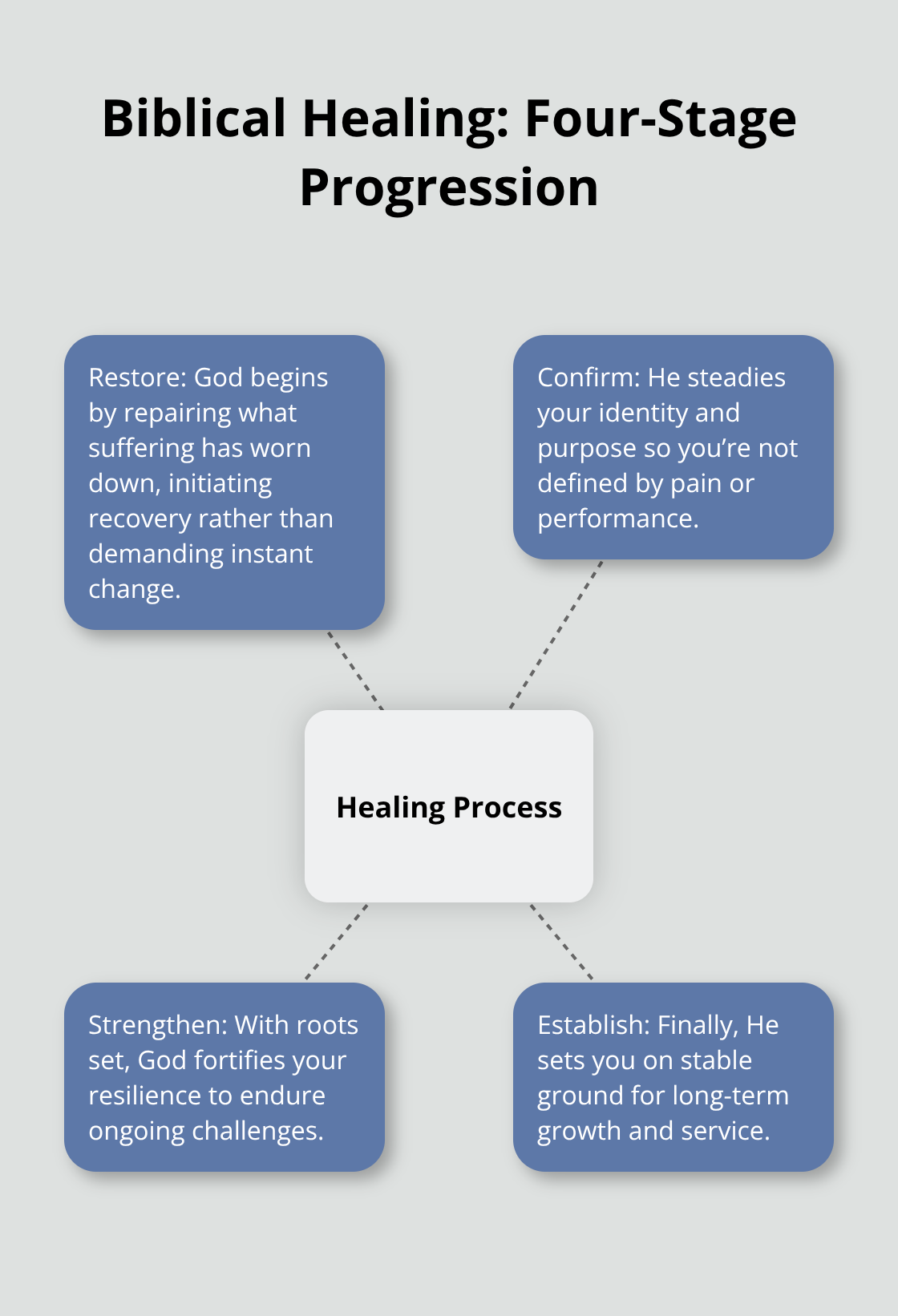
Many people abandon Scripture when they don’t feel immediately better, but biblical healing operates on a timeline, not a feeling. 2 Corinthians 1:3-4 presents God as the Father of mercies and God of all comfort, enabling you to comfort others. This creates reciprocal healing-as you share what you’ve learned through hardship with others, your own understanding deepens. Romans 5:8 shows that God’s love is grounded in who He is, not who you are or what you’ve accomplished. This fundamentally changes how you receive encouragement. Instead of earning God’s support through performance, you receive it as a gift. That shift reduces the pressure to be perfect and opens space for genuine transformation.
Moving From Verses to Practices
These verses only transform your life when you move them from the page into your daily routine. The next section explores how you actually integrate these biblical truths into your morning, your work, and your relationships-turning ancient wisdom into modern resilience.
How to Actually Use Scripture Daily
The gap between knowing a verse and living it determines whether biblical positivity sticks or fades. Most people read a powerful passage once, feel momentarily inspired, then forget it exists when stress hits. You need a deliberate system that anchors Scripture into your morning routine, your thoughts throughout the day, and your relationships.
Write Your Verse by Hand Each Morning
Start your morning by selecting one verse and writing it on a physical piece of paper-not your phone. Research from Princeton University shows that handwriting activates more brain regions than typing, creating stronger memory encoding. Place that written verse somewhere unavoidable: your bathroom mirror, your coffee maker, your car steering wheel. Read it aloud three times before you begin your day. This combines visual, auditory, and kinesthetic learning, which increases retention compared to silent reading alone.
The specific verses matter less than consistency. Spend two weeks with Isaiah 43:2, then move to Philippians 4:13, then to Psalm 73:26. Rotating through Scripture prevents your brain from tuning it out through repetition while building a deep foundation of biblical truth you can access during crisis moments.
Connect Scripture to Your Real Struggles
Journaling transforms Scripture from passive reading into active transformation. After reading your morning verse aloud, spend five minutes writing one sentence about how that verse applies to something you’re facing today. This isn’t therapy journaling about your feelings-it’s specific application journaling. For example, if you’re struggling with anxiety about a work presentation, you write: Isaiah 43:2 means God protects me from overwhelm, so I’ll trust Him to guide my words today instead of rehearsing worst-case scenarios.
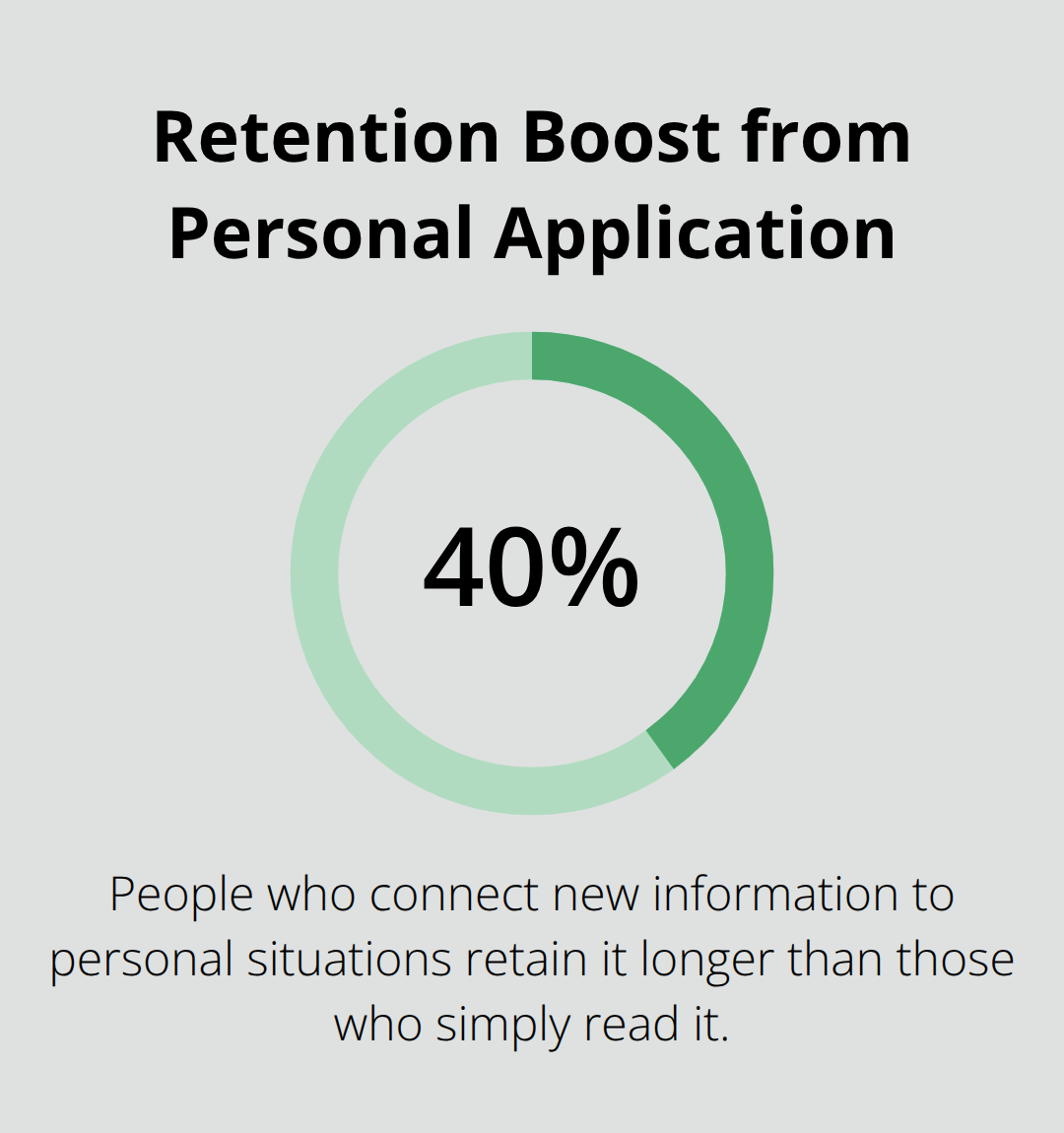
This forces your brain to connect abstract biblical truth to concrete reality. A study in the Journal of Experimental Psychology found that people who connected new information to personal situations retained it 40 percent longer than those who simply read it. The connection you make on paper becomes the bridge between Scripture and survival.
Build Community Around Scripture
Building community accelerates this process dramatically. Find or start a Bible study group that meets weekly, even if only three people attend. The group should commit to discussing one passage for an entire month rather than rushing through multiple chapters. When you articulate what a verse means to you out loud with others, you solidify your understanding while learning how different people apply the same Scripture to different struggles. This prevents the isolation that kills biblical practice.
The group also creates accountability-you’re more likely to maintain your morning verse practice when you know you’ll discuss it with others in three days. Set one non-negotiable rule: the group discusses how to apply Scripture to real situations, not theological debates about what Scripture means in the abstract. Real application beats abstract theory every time.
These daily practices-handwritten verses, specific journaling, and weekly community-create the conditions where biblical truth moves from your head into your actual life. The next section shows you how biblical figures themselves maintained this kind of consistent faith during their darkest moments, offering proof that this approach works across centuries.
How Biblical Figures Stayed Strong When Everything Fell Apart
Job lost everything in a single day-his wealth, his children, his health. The book of Job spans 42 chapters and documents his physical suffering and emotional devastation, yet he never abandoned his faith in God. What makes Job’s story actionable rather than theoretical is that he didn’t suppress his pain or pretend to feel fine. He questioned God directly, expressed anger, and admitted confusion. This matters because many people today believe biblical faith requires constant cheerfulness, so they abandon Scripture when real grief hits. Job’s example proves that biblical resilience includes honest struggle. He moved through despair without losing his foundation. When you face devastating loss, Job teaches you that wrestling with God through prayer is stronger than pretending everything is fine. Speak your confusion aloud. Write your anger in a journal. Ask God the hard questions. This is what biblical perseverance actually looks like, not forced positivity.
David’s Radical Honesty About Fear
David wrote Psalm 23 while experiencing genuine fear-shepherds faced real dangers protecting their flocks, and the psalm acknowledges this directly. Yet David anchored himself to one fact: God is with me through the darkest valley. He didn’t deny the darkness existed; he simply refused to define himself by it. The practical application here is radical honesty followed by deliberate refocus. When anxiety strikes, write down what you fear specifically. Then write one verse that contradicts that fear. David did this constantly across the Psalms-he named his terror, then named his God. This two-step practice works because your brain needs to acknowledge real threats before it can move past them. Suppression strengthens fear; naming it alongside God’s promises weakens it.
Peter’s Path From Failure to Purpose
Peter denied knowing Jesus three times, then became the rock upon which the church was built. His transformation wasn’t instant. After his denial, Peter wept bitterly and disappeared into grief. Yet he returned. Jesus restored him deliberately, asking him three times if he loved Him, directly addressing his three denials. Peter’s story teaches that your worst failure doesn’t disqualify you from God’s purpose. The actionable lesson is this: when you fail at maintaining your Scripture practice or fall back into anxiety despite your morning verses, you don’t start over from shame. You return like Peter did, with no explanation or self-punishment, and continue forward. The Bible study group you committed to three days ago matters here-when you miss a week because life fell apart, you return the following week without elaborate justification. Community expects your return, not your perfection.
Final Thoughts
Biblical positivity works because it rests on reality, not wishful thinking. The verses throughout this post don’t promise that hardship vanishes or that faith eliminates struggle-instead, they anchor you to something stable while you navigate difficulty. Romans 8:28, Isaiah 43:2, Psalm 73:26, and others function as your positivity bible for people who reject false comfort and demand truth instead.
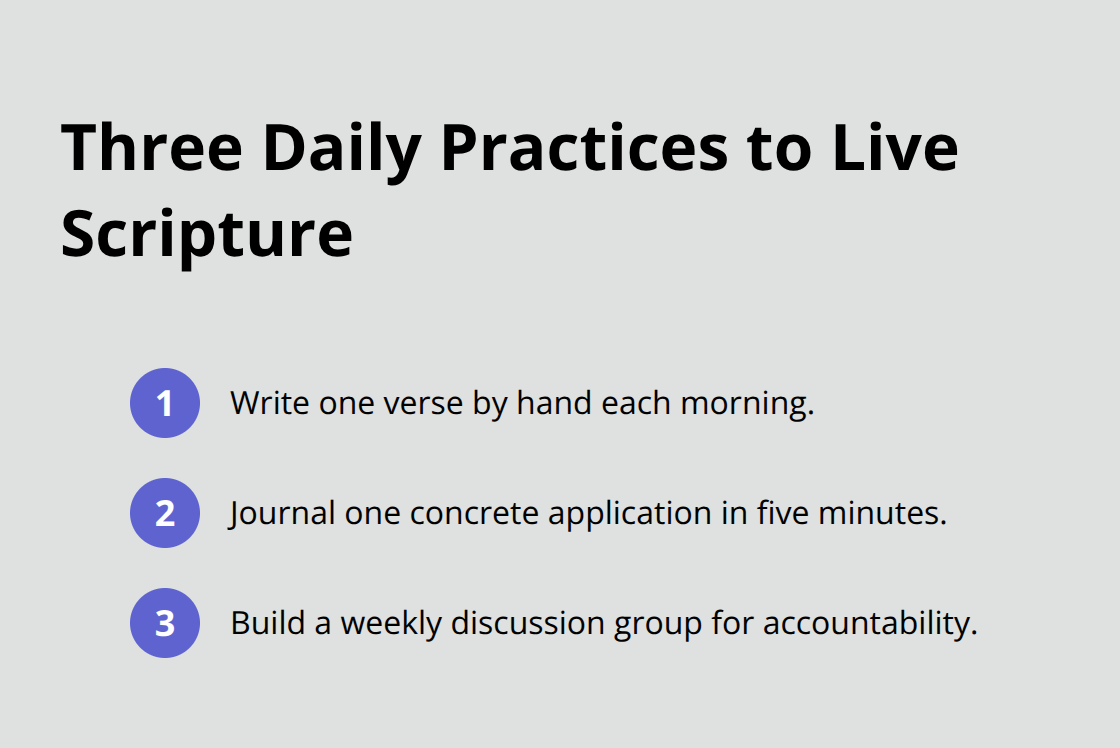
Transformation happens through consistent practice, not occasional inspiration. You write verses by hand, journal specific applications, and build community around Scripture to move biblical truth from abstract knowledge into lived experience. Job’s honesty, David’s refocus, and Peter’s return prove that this approach sustained believers through genuine devastation for centuries, and it will sustain you too.
Start this week with one verse-write it tomorrow morning, read it aloud three times, and spend five minutes journaling how it applies to something you face today. Find one other person willing to discuss it with you in seven days. We at Global Positive News Network believe that biblical wisdom combined with daily practice creates lasting change, and we invite you to explore our platform for stories of transformation and community resources that support your journey toward genuine positivity grounded in truth.