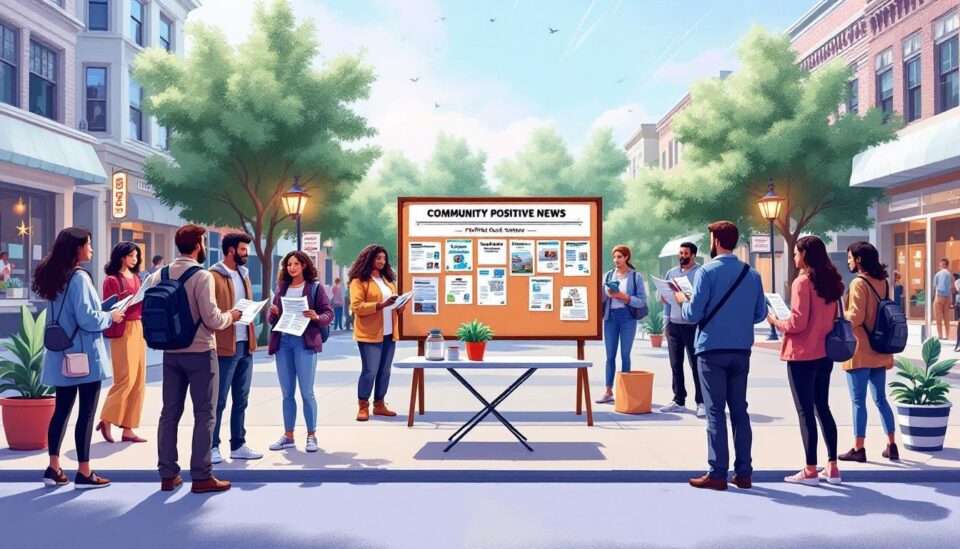
Your local news feed is probably drowning in negativity. At Global Positive News Network, we believe community positive news deserves equal attention.
The stories happening in your neighborhood-neighbors helping neighbors, local businesses stepping up, volunteers changing lives-these deserve to be celebrated and shared. This post shows you where to find them and how to amplify them.
Why Your Neighborhood’s Good News Gets Ignored
The Media’s Financial Incentive for Negativity
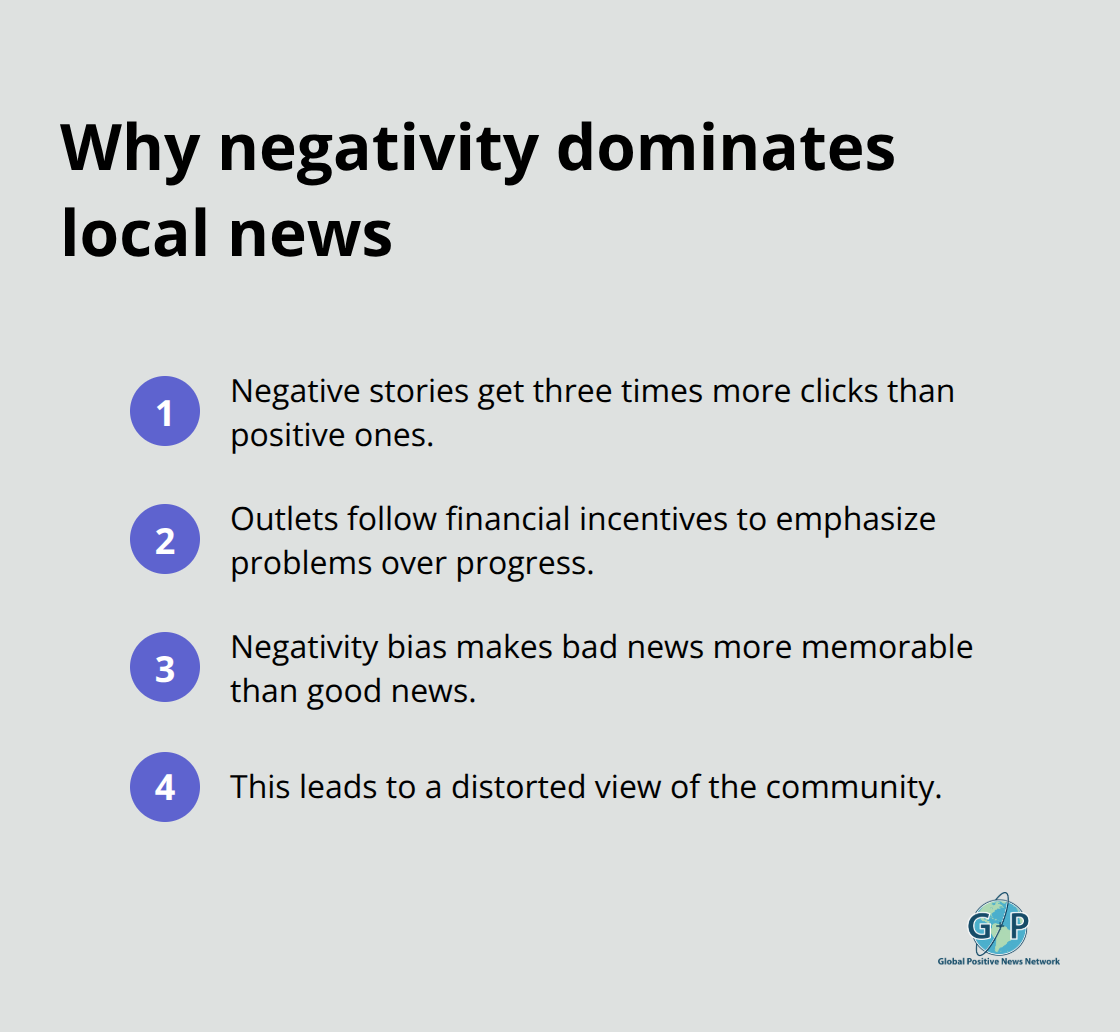
Traditional media thrives on conflict and crisis because fear drives engagement. Studies show that negative stories receive three times more clicks than positive ones, which means your local news outlets have financial incentives to amplify problems over progress. This creates what psychologists call negativity bias, where people naturally remember bad news longer and more vividly than good news. The result is a distorted view of your community.
You see the crime report but miss the volunteer initiative that prevented it. You hear about the struggling business but not the local entrepreneur who just hired five people. This imbalance shapes how you perceive your neighborhood and influences whether you feel motivated to participate in community life.
How Positive Stories Change Community Behavior
Communities where residents actively share good news report stronger social bonds and higher rates of civic participation. Research from the Journal of Community Psychology found that people exposed to local success stories volunteer more often than those who consume only traditional news. When you learn that your neighbor started a food pantry or that a local school won a state award, you become more likely to show up for community events and support local causes.
The practical benefit is real: neighborhoods with visible positive narratives attract new residents, retain talented people, and build the social infrastructure needed to tackle problems collaboratively. Positive local news doesn’t ignore challenges; it simply refuses to let challenges be the only story told.
The Balance That Motivates Action
Your community is simultaneously facing problems and solving them, struggling and succeeding. This balanced perspective motivates action because people act when they believe change is possible. They stay silent when everything feels broken. The stories you share about your neighborhood literally shape what happens next, which is why finding and amplifying good news matters for practical community building.
This is where platforms that intentionally cover positive local stories-rather than chasing clicks through crisis coverage-make a real difference. The next section shows you exactly where to find these stories and how to share them with others in your neighborhood.
What Real Community Change Actually Looks Like
How Specific Action Beats Vague Intentions
When Digby, Nova Scotia faced a marine crisis in 2023, forty locals mobilized immediately. After contacting the Marine Animal Response Society and the local fisheries department, residents coordinated a beach rescue that saved sixteen Atlantic white-sided dolphins. This wasn’t passive good news consumption-it was neighbors with specific knowledge taking action within hours because they understood their community’s ecosystem. Real stories show you exactly how change happens: someone identifies a problem, reaches out to relevant agencies or organizations, and mobilizes others with specific skills.
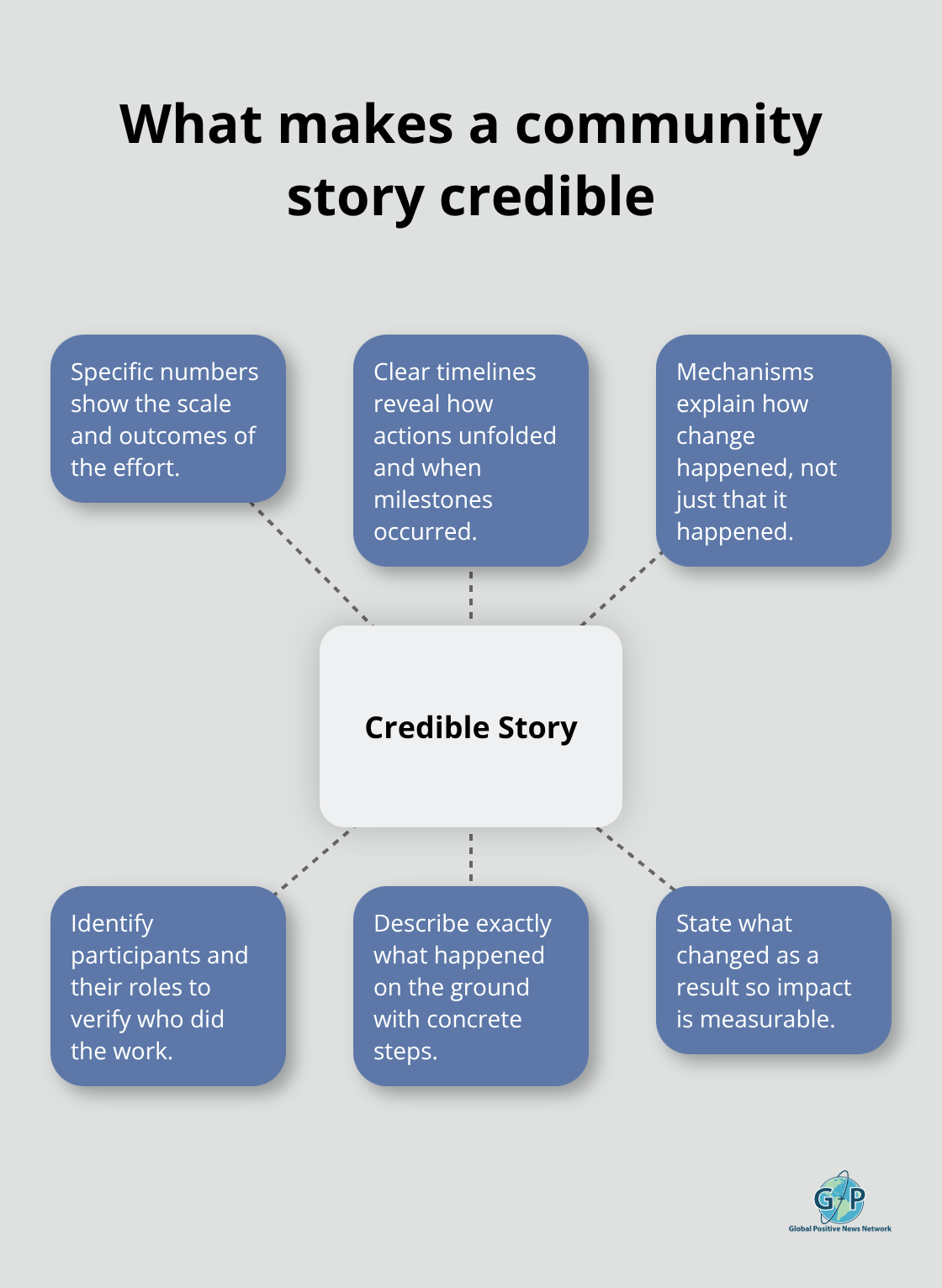
When you encounter a concrete example like the Digby rescue, you gain an instruction manual for your own neighborhood. Look for stories that name the organizations involved, specify the timeline, and identify who did what. These details matter because they reveal the actual mechanics of community success.
Local Businesses and Organizations Create Measurable Impact
Local businesses and organizations with measurable impact follow the same pattern of specificity. In Manchester, the J7 Community Health Centre runs a fitness program serving fifteen children with disabilities and thirty older adults, with measurable goals around independence and confidence through tailored exercise. That’s not vague corporate social responsibility-it’s a defined program with participant numbers and outcomes.
Cardboard Citizens in London partnered with major venues like the Barbican, Roundhouse, and National Theatre to offer free theatre tickets to families using food banks. They identified an existing cultural infrastructure and plugged a specific access barrier. You can replicate this model: identify a community need, find existing institutions or services with relevant expertise, and propose a concrete partnership.
Schools and Institutions Become Active Participants
Schools and institutions as active participants in public health transform from passive recipients of programs into engaged community members. The Greater Los Angeles County Vector Control District’s Mosquito League Education Program is a free curriculum offered to third through fifth-grade students, showing how institutions can redirect their existing resources toward community problems.
When you evaluate or share community stories, demand that level of detail. Specific numbers, timelines, and mechanisms separate genuine impact from performative gestures. Stories that lack these elements often hide weak execution or minimal real-world change. The strongest community narratives always answer three questions: Who participated? What exactly happened? What changed as a result?
These concrete examples reveal a pattern worth recognizing in your own neighborhood. Once you understand how real change takes shape, you’ll spot opportunities to participate or launch your own initiatives. The next section shows you where to find these stories and how to amplify them through platforms and networks that prioritize substance over sentiment.
Where to Find and Share Stories That Matter
Platforms Built for Community Wins
Platforms designed specifically to surface community achievements rather than chase clicks through crisis work more effectively than traditional news outlets. Local Facebook groups dedicated to community achievements reach neighbors already invested in your area. Search for groups named around your town or neighborhood, then observe which posts generate actual discussion versus vanity metrics. The strongest groups have active moderators who verify stories and remove speculation.
Global Positive News Network serves as your go-to platform for uplifting news that inspires peace and positivity. You can submit your own good news and photos directly, enabling grassroots sharing of local victories. This approach prioritizes substance over sentiment, which means the stories you encounter have been vetted for authenticity and real-world impact.
Documenting Local Solutions Yourself
Identify one specific problem in your neighborhood, then track how someone addressed it over two to four weeks. Document the organizations involved, the people who took action, and measurable outcomes. Interview the person directly rather than relying on secondhand accounts, because specificity separates real stories from assumptions.
When you encounter a community success, ask three questions before sharing: Who participated? What exactly happened? What changed as a result? Stories lacking these answers typically hide weak execution or minimal real-world change. Create a simple template for yourself with those three questions, then use it consistently. This discipline transforms you from passive news consumer into someone who actually understands how change happens in your neighborhood.
Sharing Stories Through Targeted Networks
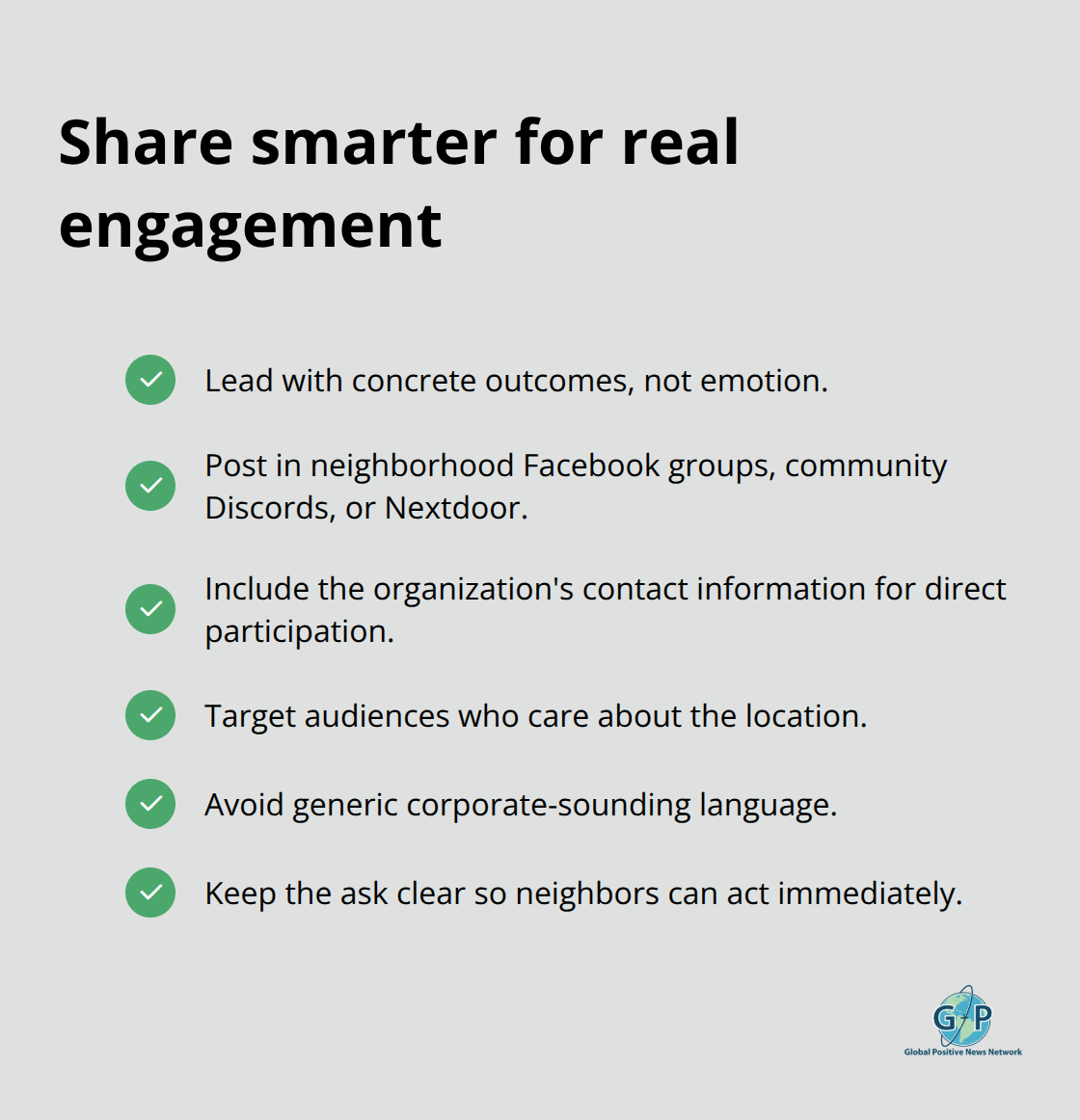
Social media amplification works only when you target specific audiences rather than broadcast to everyone. Local neighborhood Facebook groups, community Discord servers, and Nextdoor generate genuine engagement because members care about their physical surroundings. When sharing a story, lead with the concrete outcome rather than emotional language. Instead of saying a volunteer program is inspiring, state that it served thirty older adults with tailored exercise, increasing independence and confidence.
That specificity makes the story shareable because it answers the practical question neighbors ask: could this apply to our community? Include the organization’s contact information so interested readers can participate directly rather than just feel good about the story. Avoid generic motivational language that sounds like corporate messaging. Your neighbors recognize authenticity immediately and dismiss polished sentimentality as performative.
Final Thoughts
Your neighborhood contains stories worth telling, and when you actively seek out and share community positive news, you shift how people perceive their surroundings and what they believe is possible. The Digby dolphin rescue, the Manchester fitness program, and the London theatre partnership all happened because someone noticed a problem, took action, and others amplified the result. Communities where residents regularly encounter concrete examples of local success report stronger social bonds and higher civic participation.
Start this work by identifying one specific problem you’ve noticed, then spend two to four weeks documenting how someone addressed it. Interview the person directly and ask who participated, what exactly happened, and what changed as a result. That discipline transforms you from passive observer into someone who actually understands how change happens locally, and you’ll spot opportunities to participate or launch your own initiatives.
Share what you find through targeted networks where neighbors already gather, leading with concrete outcomes rather than emotional language and including contact information so interested readers can participate directly. Visit Global Positive News Network to explore stories from communities like yours and start sharing your own good news and photos, enabling grassroots sharing of local victories.
Enjoying stories like this?
Global Positive News Network is reader-supported. If you’d like to support the mission, you can visit the Official GPNN store.