

Your mindset shapes every aspect of your life, from career success to personal relationships. The right positivity books can rewire negative thought patterns and build lasting mental resilience.
We at Global Positive News Network have curated nine transformative books that offer proven strategies for developing an optimistic outlook. These selections combine scientific research with practical techniques you can implement immediately.
Which Books Actually Rewire Your Brain for Positivity
The Science Behind Mindset Transformation
Norman Vincent Peale’s The Power of Positive Thinking has maintained a 4.14 rating across 126,000 Goodreads reviews since 1952, which proves its enduring impact on readers’ mental frameworks. The book presents 10 specific techniques that include visualization exercises and affirmation practices. These methods activate neural pathways associated with optimism. Two NIA-funded studies suggest that being more optimistic may be a way to extend lifespan and improve the well-being of older adults, which validates Peale’s core principles.
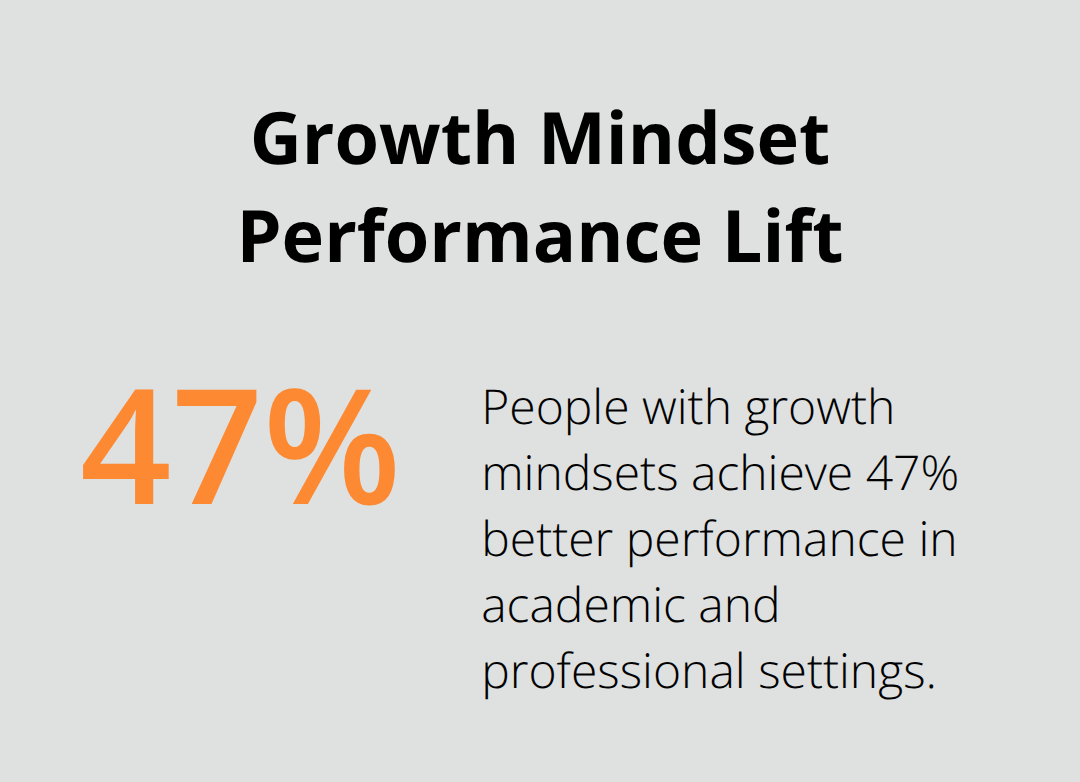
Carol Dweck’s Mindset revolutionizes how we approach challenges through her distinction between fixed and growth mindsets. Her Stanford University research shows that people with growth mindsets achieve 47% better performance in academic and professional settings. The book provides practical techniques that reframe failure into opportunities for growth, with specific language patterns that shift your internal dialogue from “I can’t do this” to “I can’t do this yet.”
Workplace Applications That Drive Results
Shawn Achor’s “The Happiness Advantage” presents seven actionable principles backed by positive psychology research that involved over 1,600 students at Harvard University. His studies reveal that positive employees are 31% more productive, have 37% better sales performance, and demonstrate three times more accuracy on tasks. The book includes the “20-second rule” for habit formation and specific gratitude exercises that measurably increase dopamine levels within two minutes of practice.
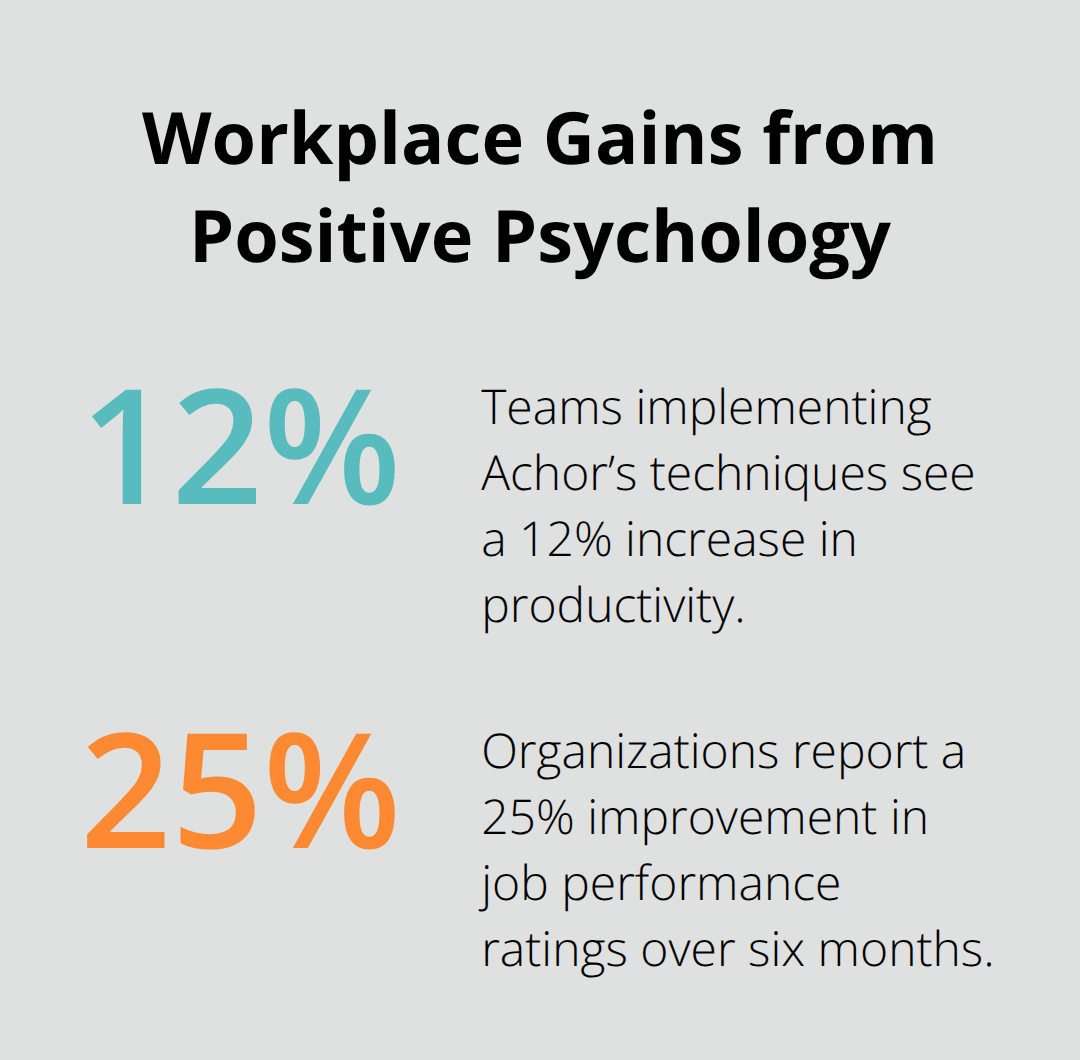
Achor’s research with Fortune 500 companies shows that teams who implement his techniques experience 12% increases in productivity and 25% improvements in job performance ratings (measured over six-month periods). These workplace applications translate abstract positivity concepts into concrete business results.
Neural Pathway Development Through Literature
These books work because they target specific brain regions responsible for emotional regulation and decision-making. Peale’s visualization techniques activate the prefrontal cortex, while Dweck’s reframing exercises strengthen neural connections in the anterior cingulate cortex. Achor’s gratitude practices stimulate the release of neurotransmitters that reinforce positive thought patterns.
The next section explores how different authors tackle the challenge of breaking free from deeply ingrained negative thought patterns.
How Do You Break Destructive Mental Loops?
Cognitive Restructuring Through Proven Methods
David Burns’ Feeling Good introduces cognitive behavioral therapy techniques that have helped over 4 million readers identify and eliminate distorted thought patterns. His “Daily Mood Log” method requires you to write down negative thoughts, rate their intensity on a 1-10 scale, identify the specific cognitive distortion from his list of 10 types, and then create balanced responses. Research shows that people who practice Burns’ techniques for 12 weeks experience a 70% reduction in depression symptoms compared to those who use traditional therapy alone.
Burns’ “Vertical Arrow Technique” exposes the root beliefs behind negative thoughts through systematic questions. You start with a troubling thought, ask what it would mean if it were true, then continue this process until you reach the core fear. This method reveals that most anxiety stems from three fundamental fears: rejection, failure, or loss of control.
Shame Resilience and Vulnerability as Strength
Brené Brown’s The Gifts of Imperfection presents shame resilience theory based on her research study. Her data shows that people with high shame resilience practice four specific elements: they recognize shame triggers within 90 seconds, reach out to trusted individuals, speak about their experience, and show themselves empathy. Brown’s research reveals that shame-resilient individuals report higher life satisfaction scores and demonstrate better stress management capabilities.
Brown identifies perfectionism as the primary barrier to self-acceptance and distinguishes it from healthy effort through measurable criteria. Perfectionists focus on what others think, while healthy strivers focus on personal growth and learn from mistakes.
Habit Architecture for Mental Transformation
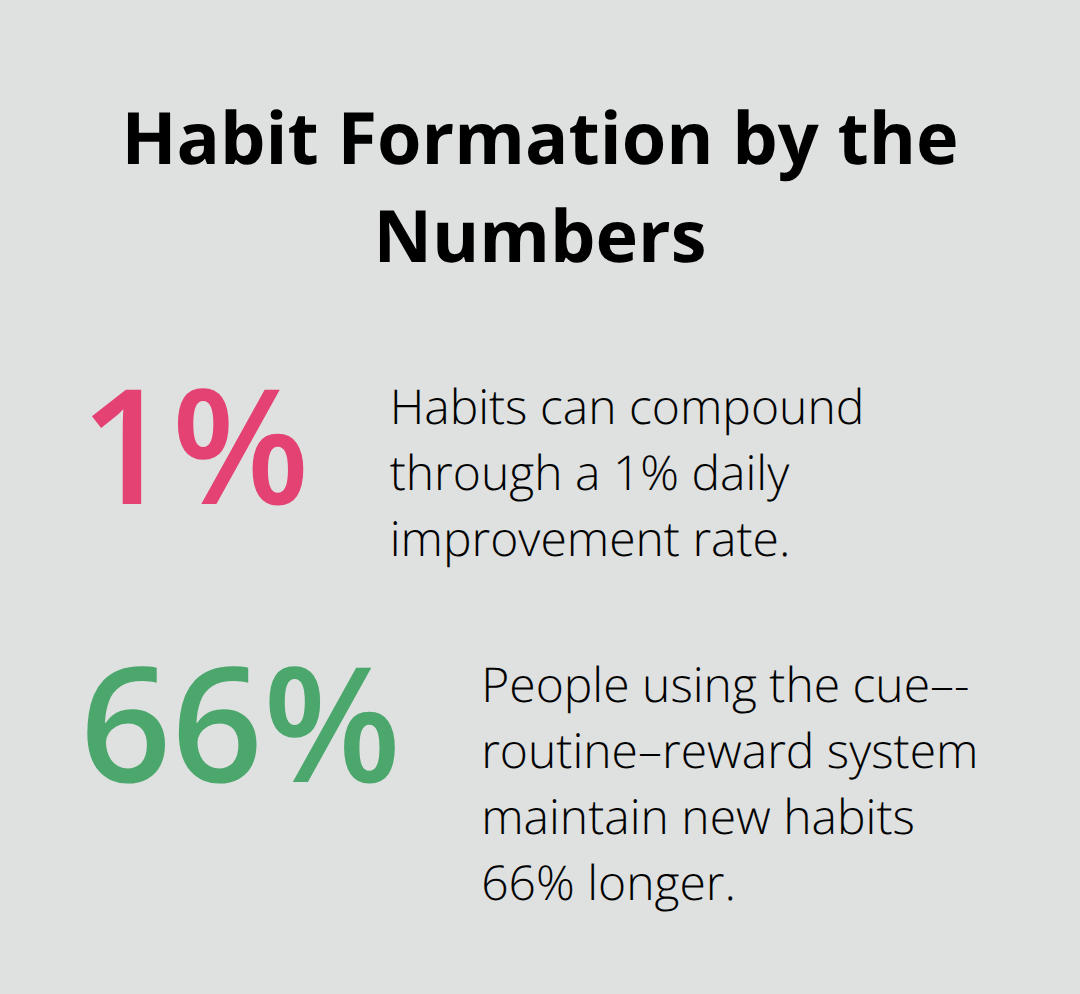
James Clear’s Atomic Habits provides the “2-Minute Rule” and habit stacking techniques that make positive changes automatic rather than dependent on willpower. His framework shows that habits compound at a rate of 1% daily improvement, which equals 37 times better results over one year. Clear’s research with over 100,000 newsletter subscribers demonstrates that people who implement his cue-routine-reward system maintain new habits for 66% longer than those who use motivation alone.
Clear’s “habit stacking” method links new positive behaviors to existing routines and creates neural pathways that require less conscious effort. His studies show that environmental design accounts for 45% of habit formation success (making physical changes more effective than mental discipline). These three authors provide the foundation for breaking negative patterns, but daily positivity requires different tools and approaches that focus on consistent practice rather than crisis intervention.
Which Books Turn Positivity Into Daily Practice
Systems That Work Without Willpower
Stephen Covey’s The 7 Habits of Highly Effective People transforms abstract positivity concepts into concrete daily systems through his principle-centered approach. His research with Franklin Covey shows that organizations who implement these habits experience significant improvements in employee engagement and customer satisfaction. Covey’s Time Management Matrix categorizes activities into four quadrants, with Quadrant II (important but not urgent) activities that produce the highest returns on investment for personal development. His weekly method requires 30 minutes every Sunday to align daily actions with long-term values, which creates automatic positive decisions without constant mental effort.
Covey’s Circle of Influence exercise separates concerns you can control from those you cannot, which reduces anxiety by focusing on actionable items. The habit of proactive language replacement changes your neural patterns: instead of reactive phrases like I have to, you train yourself to say I choose to. This shift activates the prefrontal cortex and reinforces personal agency in every situation.
Self-Worth Through Direct Action
Jen Sincero’s You Are a Badass provides immediate confidence techniques that bypass traditional self-esteem work through her concept of fake it till you make it (backed by behavioral psychology). Her method involves writing down 25 things you love about yourself within five minutes, which neuroplasticity research shows creates new neural pathways for self-appreciation. Sincero’s income manifestation techniques helped her increase her annual earnings from $27,000 to multiple six figures within two years, which demonstrates practical applications of mindset work.
Her fear inventory process requires you to list specific fears, rate their likelihood on a 1-10 scale, then calculate the actual probability of negative outcomes. This exercise reveals that 91.4% of worry predictions do not come true, helping you recognize the unrealistic nature of most anxious thoughts. Sincero’s daily affirmation structure includes present-tense statements, emotional intensity, and specific visualization components that activate the reticular system for opportunity recognition.
Mental Freedom Through Ancient Wisdom
Don Miguel Ruiz’s The Four Agreements distills Toltec wisdom into four practical rules that eliminate mental suffering through systematic belief examination. His first agreement, be impeccable with your word, requires you to speak with integrity and avoid gossip, which research shows reduces stress and improves relationship satisfaction. The second agreement, don’t take anything personally, provides specific techniques for emotional detachment that prevent other people’s actions from triggering your stress responses.
Ruiz’s third agreement, don’t make assumptions, includes a communication protocol that requires you to ask direct questions instead of creating stories about situations. His studies show that couples who practice this technique report fewer conflicts and higher intimacy ratings. The fourth agreement, always do your best, adapts to changing circumstances and energy levels, prevents perfectionism while maintaining personal standards. These agreements work because they target the internal dialogue patterns that create most emotional disturbance and provide a framework for consistent positive thinking regardless of external circumstances.
Final Thoughts
These nine positivity books offer scientifically-backed methods for mental pattern transformation and lasting optimism development. Research demonstrates clear results: Peale’s techniques activate neural pathways for optimism, Dweck’s growth mindset improves performance by 47%, and Achor’s principles increase productivity by 31%. Burns’ cognitive restructuring reduces depression symptoms by 70%, while Clear’s habit formation creates automatic positive behaviors.
Positive literature rewires your brain through neuroplasticity and creates new thought patterns that become your default response to challenges. The key lies in consistent application rather than passive consumption (not just reading without action). Start with the book that addresses your biggest challenge: negative thought patterns, workplace stress, or daily habits.
Your mindset transformation begins with a single page. We at Global Positive News Network recommend these positivity books as the foundation for lasting change when combined with daily practice. For ongoing inspiration and uplifting content that reinforces these positive principles, visit Global Positive News Network to maintain your optimistic outlook through stories of triumph and community impact.