

Loneliness has become a silent epidemic. Studies show that over 60% of adults report feeling lonely regularly, and this isolation directly damages mental health and physical well-being.
At Global Positive News Network, we believe social connection positivity tips aren’t luxuries-they’re necessities. Whether you’re strengthening bonds with loved ones or building community online, the strategies in this post will help you create meaningful relationships that matter.
Why Connection Transforms Your Health
The human brain is wired for connection, and research from Harvard Medical School confirms this isn’t just comfort-it’s biology. People with strong social bonds have lower cortisol levels, reduced inflammation, and better cardiovascular health than isolated individuals. A 2020 study published in the National Library of Medicine found that short digital detoxes of just seven days yield noticeable improvements in stress and happiness, suggesting that intentional connection practices directly counteract the wear of modern life. Chronic loneliness carries measurable consequences: isolated adults show elevated blood pressure, weakened immune function, and significantly higher rates of anxiety and depression. The data is stark-chronic loneliness increases mortality risk as much as smoking 15 cigarettes daily. This isn’t theoretical. When you strengthen relationships, your nervous system literally shifts from threat mode into safety mode, reducing the constant activation that damages physical health over time.
The Cost of Isolation
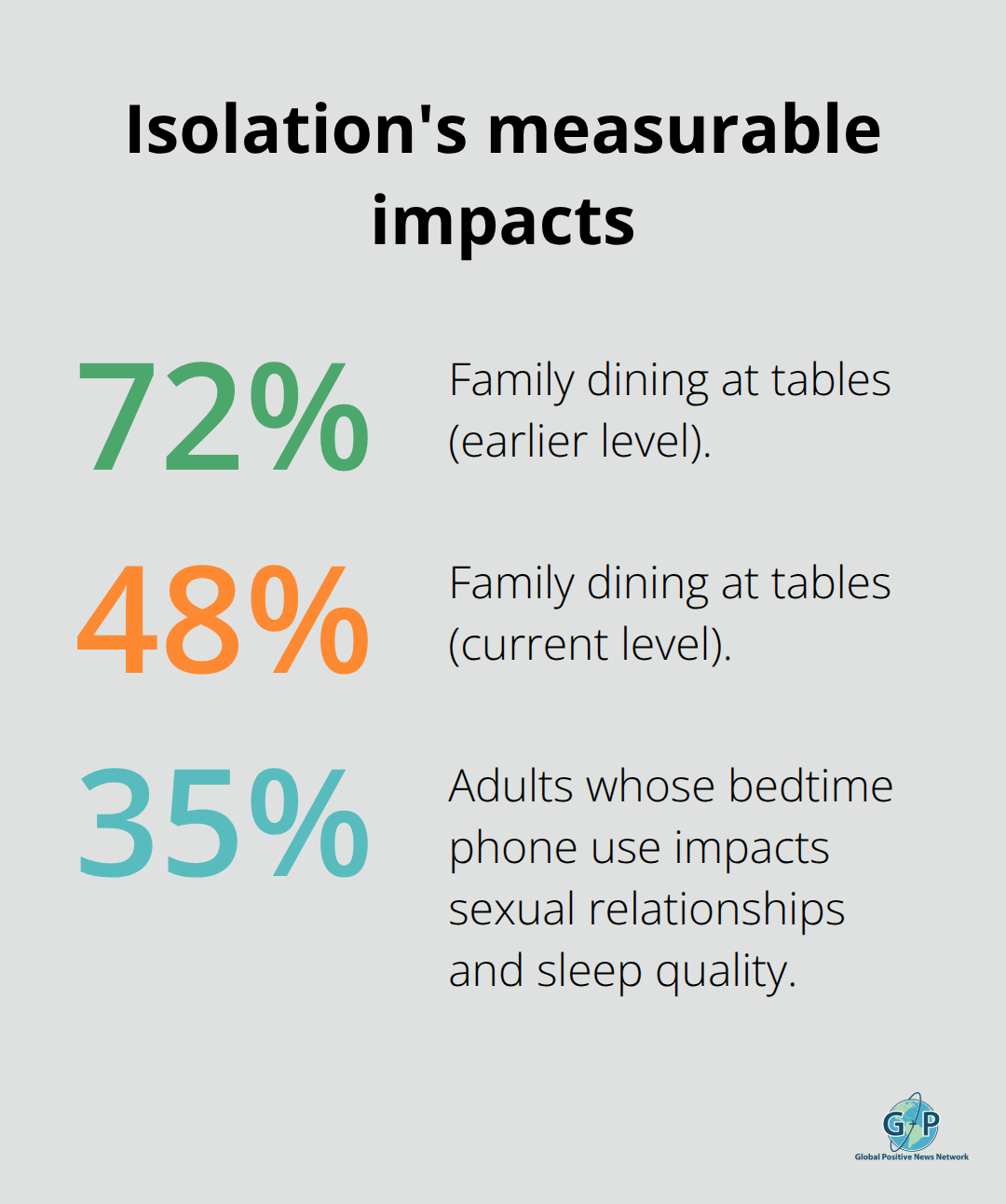
Isolation doesn’t happen overnight, which makes it dangerous. You drift gradually from meaningful contact into shallow digital exchanges, and your brain responds with stress hormones that accumulate silently. The Atlantic reports that family dining at tables has dropped from 72% to 48%, while bedroom dining rose from 6% to 17%-a shift that fragments the moments where real conversation happens. Bedtime phone use alone impacts about 35% of adults’ sexual relationships and sleep quality, according to Asurion data, creating a cascade of disconnection that affects mood, resilience, and relationship stability.
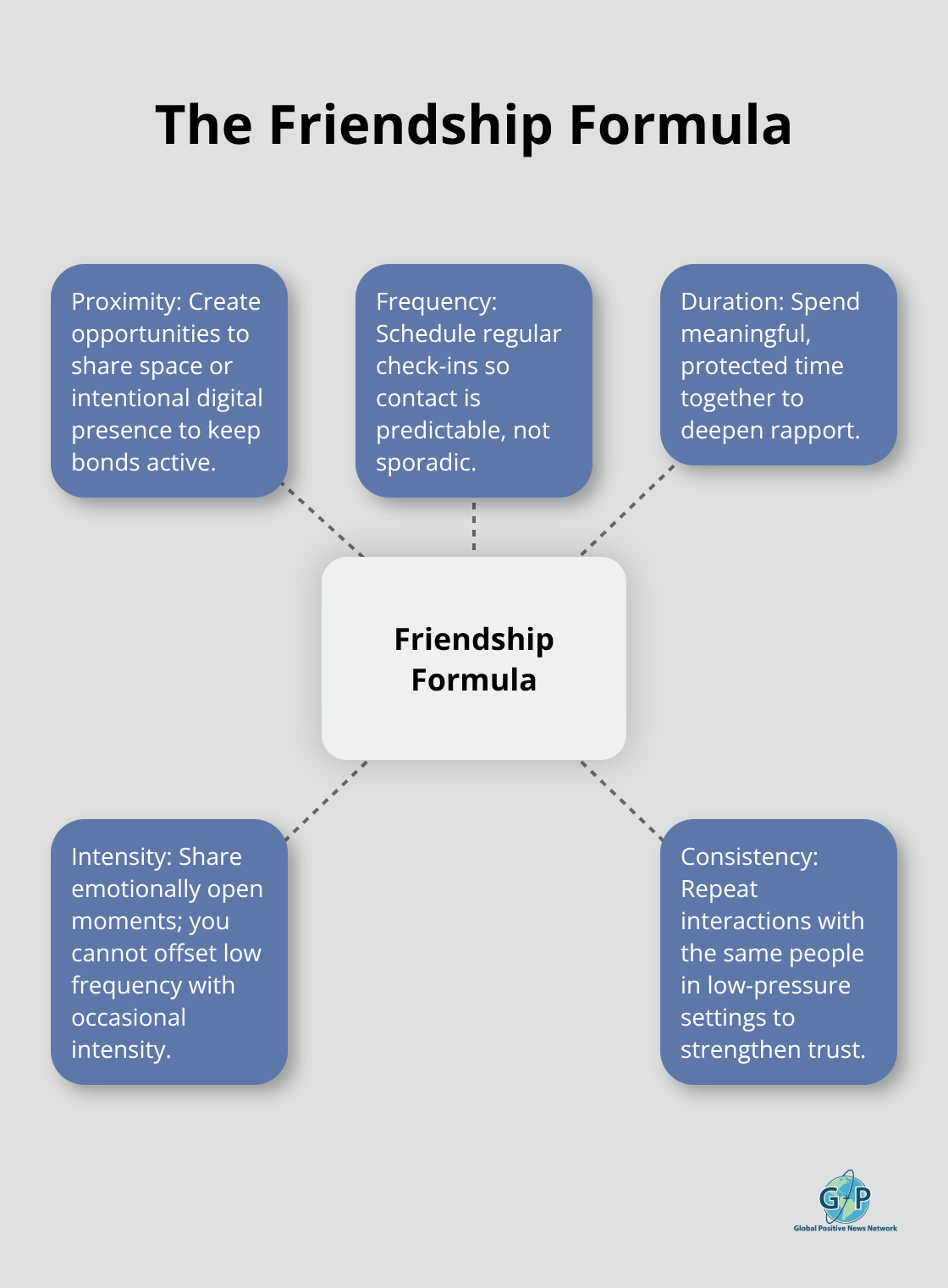
Vulnerability and emotional openness, research from Brené Brown confirms, are essential for healthy relationships, yet many people avoid this precisely when isolation makes them most needed. The solution isn’t more technology or forced socializing-it’s deliberate, repeated interaction with the same people in low-pressure settings. Dr. Jack Schafer’s research identifies the friendship formula: proximity plus frequency plus duration plus intensity. Even long-distance bonds activate this formula through repeated online interactions with consistency and genuine engagement, not sporadic contact.
What Strong Relationships Actually Deliver
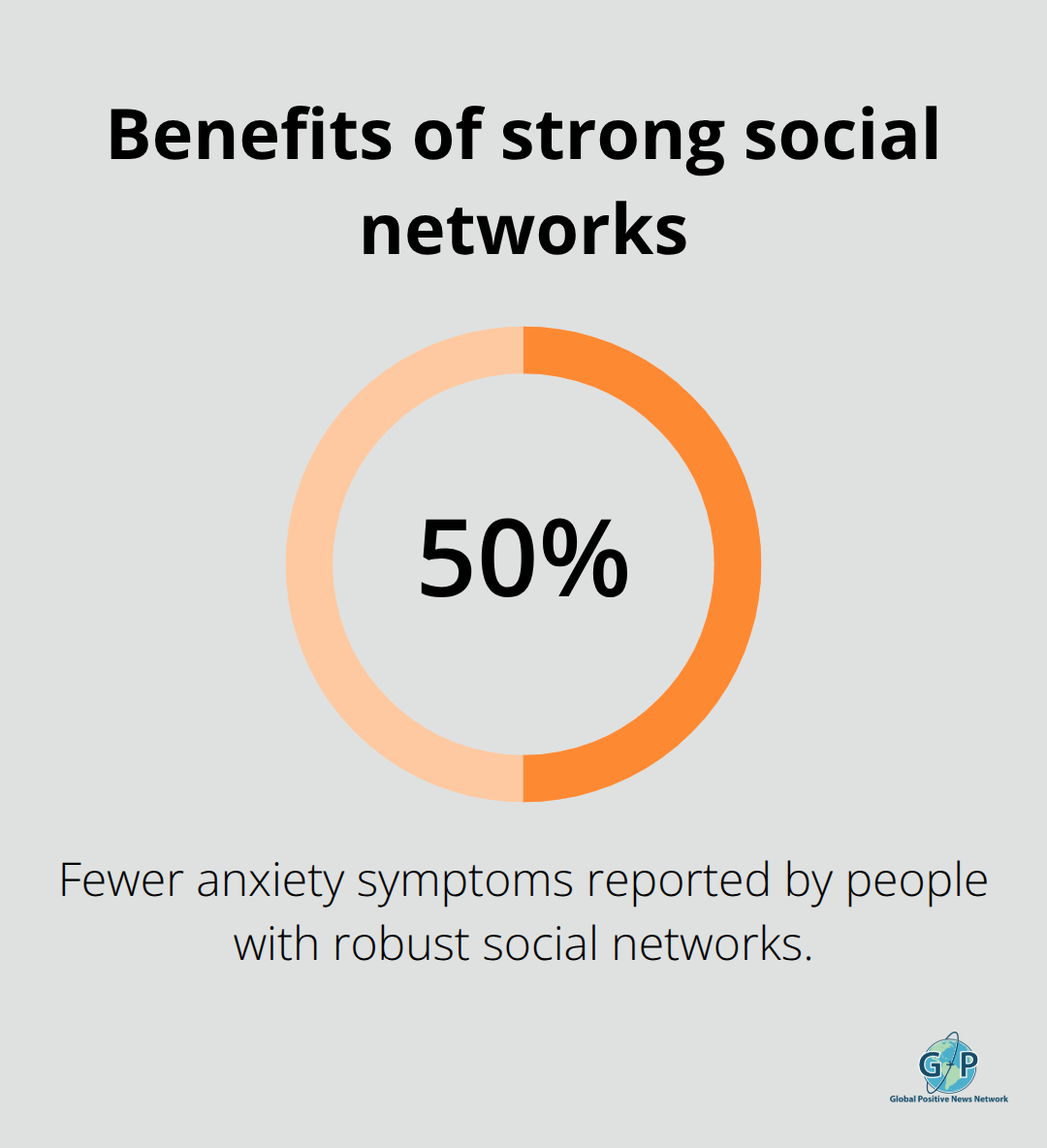
People with robust social networks report 50% fewer anxiety symptoms and significantly lower depression rates than isolated peers. These connections don’t need to be exclusively close friendships-weak ties matter too.
Casual relationships with acquaintances, gym buddies, or community members provide social integration and varied support that deep friendships alone cannot supply. Miriam Kirmayer’s research emphasizes that friends in different contexts (gym, book club, professional circles) add meaning and resilience by providing diverse perspectives and support types. When you have people who see you in multiple roles, you experience less pressure to perform a single identity. The practical benefit: tech-free zones in your bedroom and during mealtimes meaningfully deepen connection with partners and family, creating space where real presence becomes possible. Active listening-paraphrasing, reflecting feelings, and asking clarifying questions-strengthens bonds faster than years of passive contact. Open-ended conversations about shared interests, voice or video calls to convey tone beyond text, and joint activities like watch parties or online communities sustain engagement across distance.
Moving From Isolation to Intentional Connection
The evidence is unambiguous: intentional, repeated, emotionally present contact with real people is the antidote to both isolation and the stress it generates. Yet knowing this truth and acting on it are two different things. The next section explores the specific digital tools that make meaningful connection possible, even when distance or schedules create barriers to in-person time.
How to Use Technology Without Losing Real Connection
Video Calls Create Genuine Presence Across Distance
Technology becomes powerful when it serves a specific purpose rather than filling empty time. Video calls with family members create genuine presence across distance in ways text cannot match. Research from Caroline Haythornthwaite in the Oxford Handbook of Internet Psychology confirms that online communities foster emotional and social bonds comparable to local communities, including resource sharing and collaborative efforts. FaceTime or Zoom conversations work best when you schedule them predictably rather than treat them as spontaneous replacements for in-person time. Set a specific day and time, then protect that window like you would an in-person appointment. Voice calls matter more than you think. A quick voice message or call conveys tone, emotion, and genuine care far better than typed text, yet most people default to messaging because it feels easier.
Online Communities Build Belonging Without Pressure
Online communities centered on shared interests create belonging without the pressure of proximity. Book clubs, fitness groups, gaming communities, and volunteer networks all provide repeated interaction with the same people pursuing something meaningful together. The key difference between scrolling social media and joining an actual community is intentionality. Transpatial communities, according to Haythornthwaite’s research, complement and extend local networks by connecting people across distances around genuine shared goals rather than passive consumption. When you join an online community, you gain not just acquaintances but weak ties that research shows significantly improve well-being and social integration.
Social Media Works Best as a Conversation Starter
Social media itself becomes harmful when you treat it as a replacement for real connection rather than a tool to deepen existing relationships. Technology can serve as an ally for deepening relationships when it facilitates communities that share resources and goals. The practical approach: use social media to notice what friends care about, then initiate deeper conversations via text or call. When someone posts about a trip or event they’re excited about, that becomes your opening for genuine dialogue rather than a like or comment.
Shared Activities Generate Bonds Faster Than Passive Scrolling
Shared online activities create bonds faster than passive scrolling. Watch parties with real-time chat, collaborative playlists, multiplayer games with friends across distances, and joint projects all generate the repeated interaction and emotional intensity that Dr. Jack Schafer identifies as essential to bonding. Video games specifically offer underrated value for long-distance friendships because they combine live interaction, shared challenge, and natural conversation flow. Services like Goody, Shutterfly, and Nack let you send physical gifts or photos to people you care about, bridging the gap between digital connection and tangible expression of care. The strongest online relationships happen when people move beyond the platform itself into multiple communication channels. Someone you meet in an online community might become a texting friend, then a video call friend, creating layers of connection that feel genuinely close.
Digital Empathy Strengthens Every Interaction
Digital empathy matters tremendously. Respond with understanding rather than judgment, practice active listening through paraphrasing and reflecting feelings, and set clear expectations about response times so misinterpretation doesn’t breed resentment. Technology will remain part of life, so treat it as a means to strengthen real bonds rather than a substitute for them. Yet technology alone cannot sustain relationships-what matters most is how you show up when you’re actually present with someone, whether that presence happens through a screen or face-to-face.
How to Actually Stay Connected When Technology Pulls You Apart
The tools discussed in the previous section only work if you control them instead of letting them control you. Most people fail at building stronger bonds not because they lack intention but because they never establish boundaries that protect time for real connection. Technology creates constant friction against deep conversation. Notifications interrupt you mid-thought, phones sit on tables during meals, and bedtime scrolling delays sleep that you need for emotional presence the next day. The National Library of Medicine shows that tech-free zones in your bedroom and during mealtimes meaningfully deepen connection with partners and family. This isn’t about occasional digital detoxes. This is about permanent structural changes to your environment.
Remove your phone from the bedroom entirely. Not silent mode. Not face-down on the nightstand. Gone. Restricting mobile phone use close to bedtime reduced sleep latency and pre-sleep arousal and increased sleep duration and working memory. If this shift happens in just one study, imagine what permanent bedroom boundaries accomplish over months and years. Mealtime phone bans work the same way. The Atlantic’s data showing family dining dropped from 72% to 48% while bedroom dining rose reflects a choice, not an inevitability. You can reverse this in your own home by making one simple rule: phones stay in another room during dinner. This creates forced presence that initially feels awkward but within weeks becomes the moment when real conversation happens.
Deep Conversations Require Deliberate Structure
Intentional time for deep conversation sounds obvious until you realize most people never actually schedule it. Weak relationships persist because contact happens randomly, sporadically, and often when someone has only partial attention available. Dr. Jack Schafer’s research on the friendship formula identifies that proximity, frequency, duration, and intensity all matter equally. You cannot compensate for low frequency with occasional intensity. You need regular, predictable contact.
For close relationships, try weekly check-ins at minimum. For long-distance friendships, try scheduled video calls on the same day each week, not whenever both people happen to remember. Set the appointment and protect it like you would a work meeting. Open-ended questions about shared interests keep dialogue flowing better than surface-level updates. Instead of asking how someone’s week was, ask what they’ve been thinking about lately or what they’re struggling with right now. These prompts invite vulnerability, and vulnerability (according to Brené Brown’s research) is essential for healthy relationships.
Active Listening Transforms Conversation Quality
Active listening transforms conversation quality faster than almost any other single practice. This means you paraphrase what someone said back to them, reflect their feelings, and ask clarifying questions rather than wait for your turn to talk. Most people listen while mentally preparing their response. Actual listening requires you to hold space for someone else’s experience without immediately pivoting to your own story.
Voice and video calls convey tone and emotion that text simply cannot match. A two-minute voice call communicates more genuine care than fifty text messages. Yet most people default to messaging because it feels easier and less intrusive. The opposite is true. A quick voice message or scheduled video call shows you prioritized someone enough to give them your full attention (something text-based communication rarely achieves).
Final Thoughts
The evidence throughout this post points to one undeniable truth: social connection positivity tips work because they address how your brain and body actually function. Loneliness damages health as measurably as smoking, while strong relationships lower stress, improve sleep, and strengthen immunity. Yet knowing this truth changes nothing without action.
Start with one change this week. Remove your phone from your bedroom, or establish a phone-free dinner hour. Schedule a weekly video call with someone you care about, or join an online community around something you genuinely care about. These structural shifts protect time for real presence far better than occasional grand gestures.
The relationships that matter most require repeated, intentional contact-consistency beats intensity. Technology will remain part of your life, and the question isn’t whether to use it but how to use it intentionally. Visit Global Positive News Network to explore more ways to strengthen your connections and build a life rooted in genuine belonging.
Having a hard day?
The 2 Minute Hope Reset is a short free guide with three small practices for the days that feel heavy. Two minutes each, nothing to keep up with.
Get the free guideExplore more positive news:
Enjoying stories like this?
Global Positive News Network is reader-supported. If you’d like to support the mission, you can visit the Official GPNN store.