

Life’s most rewarding moments come from the people we love, the growth we achieve, and the difference we make in others’ lives. At Global Positive News Network, we believe these elements deserve your attention and intention.
This article explores three pillars that transform how we experience existence. You’ll find practical insights on building stronger connections, overcoming obstacles, and creating meaningful impact in your community.
Who Really Makes Life Worth Living
The Foundation of Meaningful Connections
Strong relationships form the foundation of a life worth living, yet most people treat them as something that happens naturally without intentional effort. The truth is harder: meaningful connections require consistent action and deliberate prioritization. Research from Harvard’s Study of Adult Development, which tracked individuals for over 80 years, found that people with strong social connections lived longer, stayed healthier, and experienced greater happiness than isolated individuals. The study revealed that quality relationships matter more than quantity-close bonds with family, friends, and community members directly correlate with longevity and life satisfaction. This means your relationships aren’t just emotionally rewarding; they’re fundamental to your survival and wellbeing.
Family Bonds as Your Primary Anchor
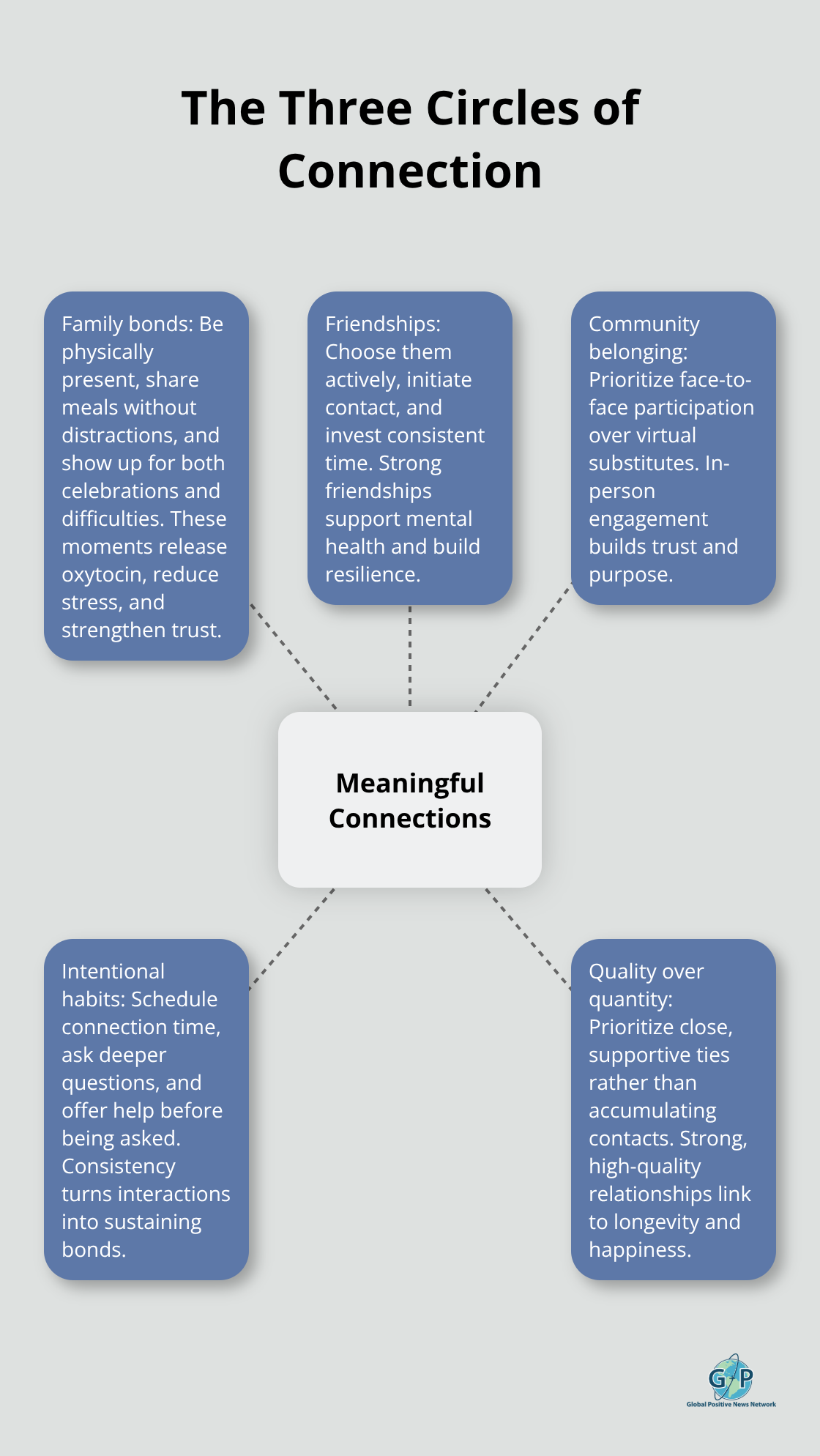
Family bonds serve as your primary anchor, but they demand ongoing investment. You strengthen family ties through regular meaningful conversations, shared meals without distractions, and consistent presence during both celebrations and difficulties. These actions replace passive interaction with genuine engagement that matters. When you spend time physically present with family members, your brain releases oxytocin, which reduces stress hormones and strengthens trust.
Friendships You Choose Actively
Friendships operate differently than family relationships because you choose them actively. People with strong friendships report better mental health, lower stress levels, and higher resilience when facing challenges. Unlike family bonds that exist by default, friendships require you to initiate contact, invest time, and show up consistently. This active choice makes friendships particularly powerful-you’ve selected people who align with your values and support your growth.
Community Belonging Beyond Personal Circles
Community belonging extends beyond personal circles-it’s about finding groups aligned with your values, whether through volunteering, faith communities, hobby clubs, or neighborhood involvement. The key distinction is this: face-to-face interaction outperforms virtual alternatives in improving well-being. When you participate in community activities, you build trust and purpose that isolated online engagement cannot provide.
Practical Steps to Strengthen Your Connections
The practical path forward involves scheduling regular connection time and protecting it fiercely. Set a specific day each week for family time, monthly gatherings with close friends, and quarterly involvement in community activities. Track these commitments like you would track financial investments because they generate returns in happiness and health. Start conversations that go deeper than surface pleasantries-ask people about their challenges, their dreams, and what they’re learning. Offer help before being asked. Show up consistently, especially during difficult periods when others might disappear. These actions transform relationships from occasional interactions into genuine bonds that sustain you through life’s hardest moments. As you build these connections, you’ll discover that the relationships you invest in become the foundation for the personal growth and resilience that define a meaningful life.
How to Turn Setbacks Into Strength
Growth happens when you face obstacles head-on and refuse to retreat. Research from psychologist Carol Dweck shows that people with a growth mindset view challenges as opportunities to develop skills rather than threats to their self-image. This distinction matters enormously. When you encounter difficulty, your brain can either activate a fixed mindset that says you lack ability, or a growth mindset that says you lack skill yet. The second response is trainable.
Reframe Failures as Feedback, Not Verdicts
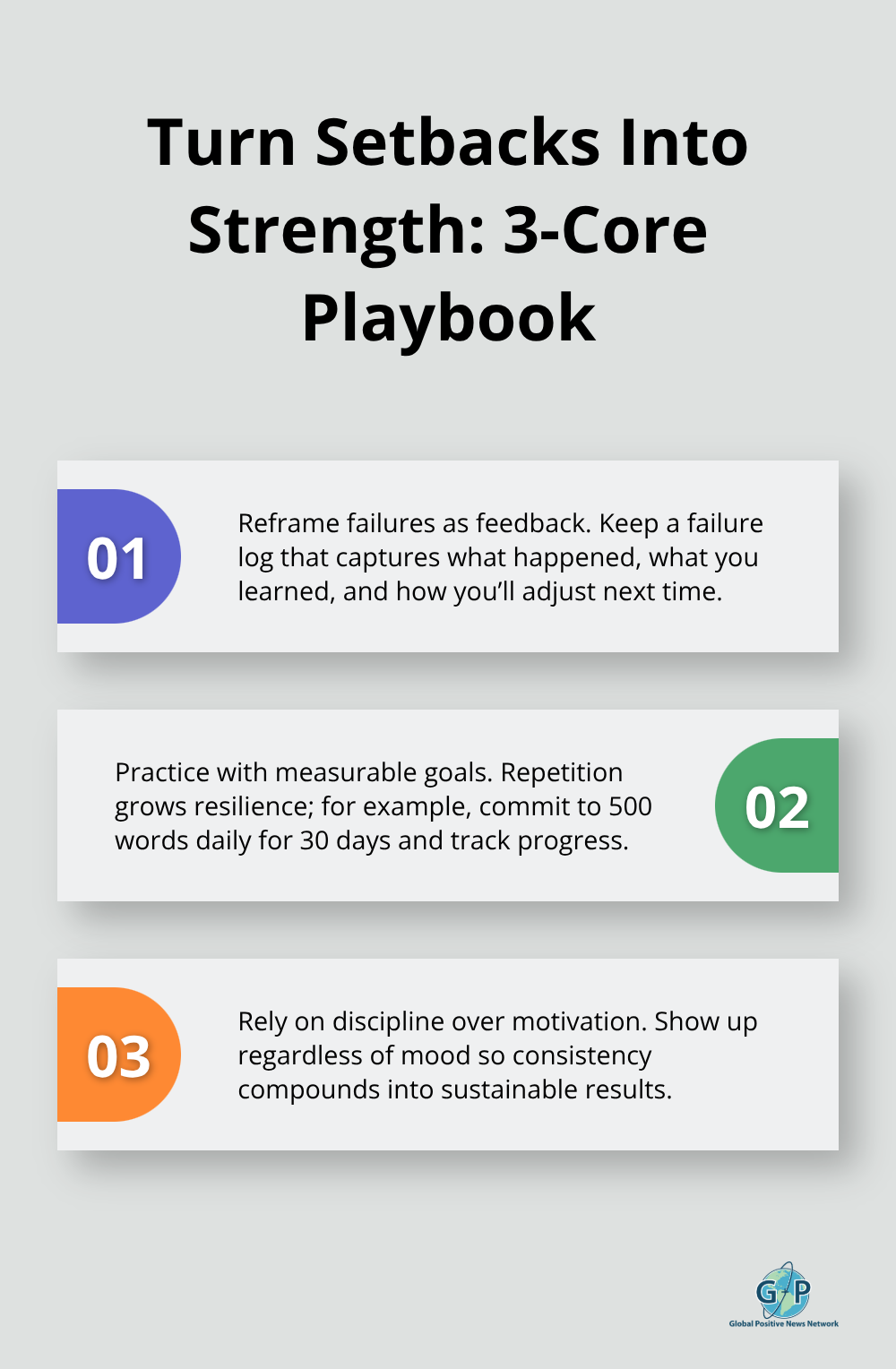
Start by reframing failures as data points instead of verdicts on your worth. When something doesn’t work, extract the specific lesson and document it. Keep a failure log where you write what happened, what you learned, and how you’ll adjust next time. This practice transforms setbacks from demoralizing experiences into valuable feedback that accelerates your progress.
Resilience builds through repetition-each time you face a challenge and persist through it, your capacity to handle future difficulties increases. Set monthly skill-growth goals with concrete metrics you can track. If you want to improve your writing, commit to 500 words daily for 30 days and measure your progress. If you’re building a business skill, take on one small project that stretches your current abilities.
The specific action matters more than the ambition.
Discipline Bridges Goals and Accomplishment
Discipline bridges gap between goals and accomplishment, a principle Jim Rohn emphasized throughout his work. Without discipline, motivation fades when challenges emerge. With it, you continue forward regardless of how you feel on any given day. This consistency compounds over time, transforming initial effort into sustainable progress.
Treat Learning as a Daily Non-Negotiable Practice
The most successful people treat learning as a non-negotiable daily practice, not something that happens accidentally. Read broadly across books, lectures, podcasts, and conversations to expand your perspective beyond your immediate experience. When you read about how others solved problems, you skip the pain of learning everything through personal failure.
Apply what you learn immediately-don’t just consume information. Try new skills, experiment with different approaches, and test ideas quickly to discover what actually works in your specific situation. Keep a simple learning journal where you capture insights, mistakes, and improvements from your daily experiences. Reflect regularly on what you’ve learned and how to apply it, scheduling dedicated time each week for this review.
Accelerate Growth Through Mentorship and Community
Seek mentors and have conversations with people who care about growth; surround yourself with voices that challenge and encourage you. These relationships accelerate your learning because you gain decades of experience compressed into conversations. Celebrate small wins no matter how small. Create dozens of small milestones and track them visibly-this matters because big goals feel distant, but small wins create momentum that sustains motivation.
When you complete a skill, master a new tool, or reach a monthly target, acknowledge it explicitly. This isn’t vanity; it’s how your brain reinforces progress and stays engaged in the long journey toward meaningful achievement. As you build these habits of learning and resilience, you position yourself to make a real difference. The skills you develop and the obstacles you overcome become the foundation for the impact you create in others’ lives-which is where true fulfillment emerges.
Why Your Small Actions Matter More Than You Think
How Kindness Rewires Your Brain
Helping others transforms your life in measurable ways that extend far beyond temporary good feelings. Research from neuroscientist Richard Davidson at the University of Wisconsin found that kindness rewires your brain through positive emotions triggering reward pathways deep within the brain. When you help someone, your brain releases dopamine and endorphins-the same chemicals activated by physical exercise or eating your favorite food. This means kindness isn’t just morally right; it’s neurologically rewarding.
The practical implication is straightforward: if you want to experience more happiness and purpose, you need to help others consistently. This isn’t abstract philosophy; it’s how your brain chemistry works. Start small by identifying one specific person or group you can help this week. Don’t volunteer for everything or burn yourself out with grand gestures. Instead, commit to one concrete action: deliver a meal to someone struggling, spend two hours mentoring a younger person, or help a neighbor with a specific task they’ve been avoiding. Track what happens to your mood and sense of purpose over the following weeks.
The Immediate Impact of Volunteer Work
Your community improves when you stop waiting for someone else to fix problems and start acting on what you see. According to research from the Corporation for National Service, people who volunteer report higher life satisfaction, lower stress levels, and stronger social connections than non-volunteers. The data shows volunteers experience these benefits within weeks of starting, not years. This means your impact compounds immediately.
Find causes aligned with your actual values, not causes you think you should care about. If you love animals, volunteer at a shelter. If you care about literacy, tutor students. If you’re concerned about environmental issues, join a community cleanup or restoration project. The specificity matters because genuine interest sustains commitment through difficult moments.
Building Consistency Through Scheduled Service
Schedule your service work like you schedule work meetings-put it on your calendar and treat it as non-negotiable. Most people fail at volunteering not because they lack compassion but because they never make it a priority competing with other demands. When you establish a regular rhythm (even just four hours monthly), you build relationships with others doing similar work.
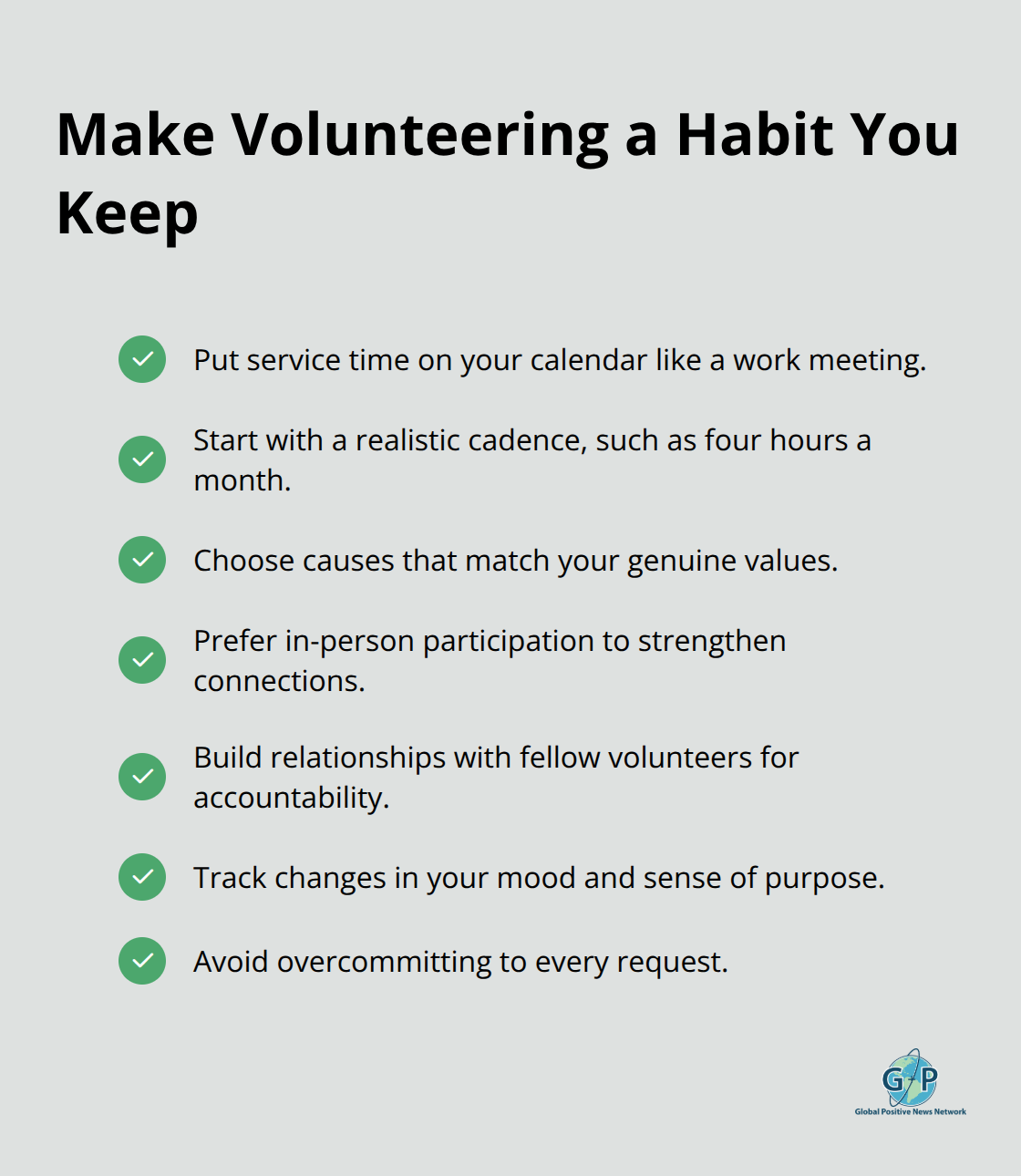
These connections create accountability and meaning that isolated acts of kindness cannot provide. The communities that thrive have people who show up consistently, not people who help occasionally when guilt strikes.
Final Thoughts
The positive things about life that make everything worth it exist in your daily choices: the conversation you have with family tonight, the skill you commit to learning this month, the person you help this week. These three pillars-meaningful relationships, personal growth, and acts of kindness-work together to create a life that feels genuinely worthwhile. When you invest in relationships, you build the emotional foundation that sustains you through challenges, and when you embrace growth and resilience, you develop the capability to overcome obstacles and inspire others.
Stop treating these areas as optional extras and start treating them as non-negotiable priorities. Schedule time with people you love like you schedule important meetings, commit to learning something new each month and track your progress, and find one cause aligned with your values where you show up consistently. These aren’t grand gestures; they’re sustainable practices that compound over time and transform how you experience existence.
Choose one area where you’ll increase your intentional effort this week-reach out to someone you’ve been meaning to connect with, start that skill you’ve been postponing, or volunteer for a cause you genuinely care about. At Global Positive News Network, we believe your life becomes more meaningful when you actively engage with what matters most. One action creates momentum, momentum builds habits, and habits transform lives.
Having a hard day?
The 2 Minute Hope Reset is a short free guide with three small practices for the days that feel heavy. Two minutes each, nothing to keep up with.
Get the free guideExplore more positive news:
Enjoying stories like this?
Global Positive News Network is reader-supported. If you’d like to support the mission, you can visit the Official GPNN store.