

A great positive life quote image can shift your mood in seconds. We at Global Positive News Network know that finding the right ones takes strategy, not luck.
This guide shows you exactly where to source quality images, how to pick ones that actually resonate with you, and how to use them to build real inspiration into your daily life.
Where to Find Quality Positive Life Quote Images
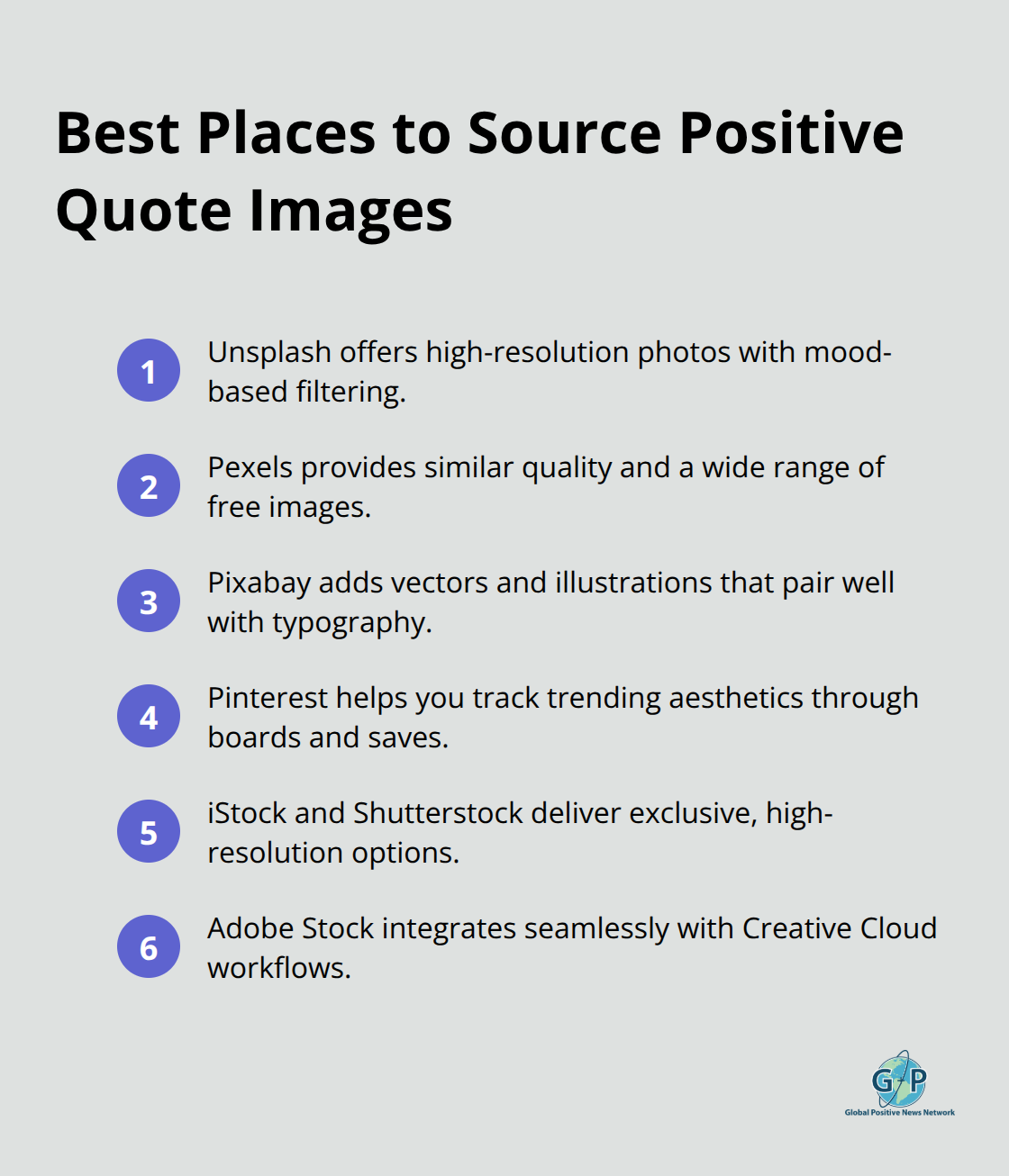
Free stock photo sites like Unsplash, Pexels, and Pixabay offer thousands of quote-ready images without licensing fees. Unsplash hosts high-resolution photos, and their search function lets you filter by mood-serene landscapes, botanical designs, and minimalist backgrounds work best for quote overlays. Pexels provides similar quality with images available, while Pixabay adds vector graphics that pair well with typography. These platforms work because they’re genuinely free with no attribution required, though crediting the photographer builds trust with your audience. The downside is competition-popular images get used repeatedly across social feeds, so you’ll need to search past the obvious choices.
Discovering Images on Pinterest and Premium Libraries
Pinterest functions differently as both a discovery tool and a source. Quote images signal what resonates with audiences, and you can track trending aesthetics by following boards for self-love and personal growth imagery. Boards tagged with botanical themes, marble textures, and minimalist designs show exactly what visual styles drive engagement. iStock and Shutterstock represent the premium tier, offering millions of images respectively, with higher resolution and exclusive designs. Getty Images positions itself as the authority for professional-grade imagery, though licensing costs run higher. Adobe Stock integrates directly with Creative Suite, making it ideal if you’re already in that ecosystem. The real advantage of paid libraries isn’t just quantity-it’s exclusivity and consistent quality standards that free sites can’t match.
Starting With Your Quote, Not the Image
Start with your quote first, not the image. The mood and message determine which platform you should search. A quote about overcoming challenges pairs better with dramatic landscapes or storm imagery from premium libraries, while self-love quotes need softer aesthetics available on free sites. Search strategically using specific terms like “botanical quote background” or “marble texture” rather than generic searches like “positive quotes.” Once you find an image, verify it’s actually high-resolution before downloading-try for at least 2400 pixels wide for blog use and social sharing.
Simplifying Your Search With Design Tools
Canva, though primarily a design tool, includes over 1 million stock images built into their templates, making it a hybrid source that simplifies the entire process. Their quote templates let you drop your own image and text in minutes, and the Magic Switch feature automatically resizes your graphic for different platforms (Facebook, Instagram, Pinterest, and more). Create a personal library by saving images to dedicated folders organized by mood, theme, or color palette. This eliminates repetitive searching and keeps your visual style consistent across posts. Tools like Notion or Airtable work well for tagging images by season, emotion, or topic, making it simple to pull the right visual when inspiration strikes.
Building Consistency Across Your Collection
Your personal image library becomes the foundation for what comes next. Once you’ve organized your collection by mood and theme, you’re ready to evaluate which images truly resonate with your values and aesthetic. The next step involves checking whether your selected images meet quality standards and whether they properly credit their original creators.
How to Evaluate and Select the Right Quote Images
Resolution Standards That Actually Matter
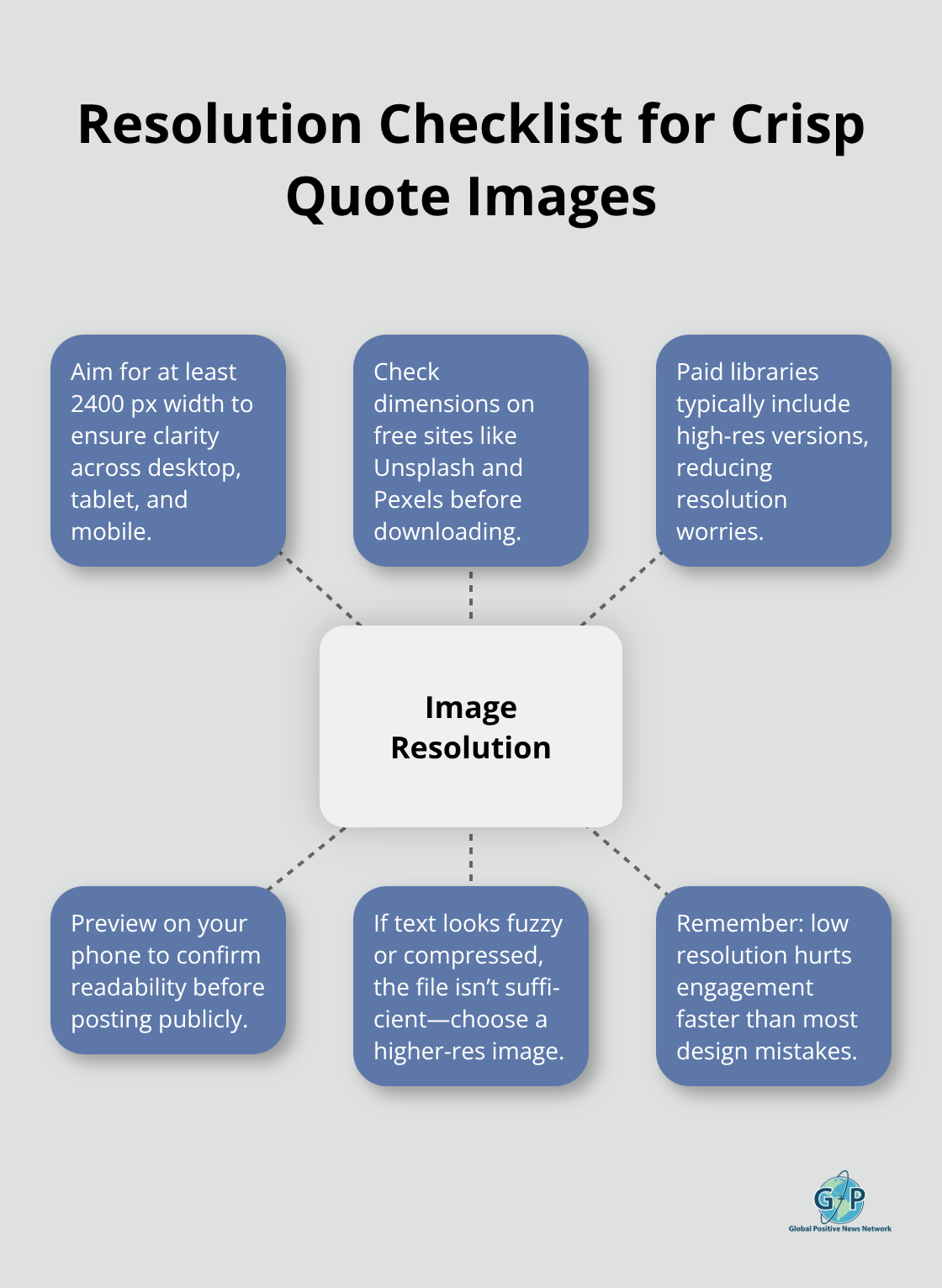
Resolution matters more than you think when selecting quote images. For blog posts and social media, try for images at least 2400 pixels wide, which scales properly across desktop, tablet, and mobile feeds without pixelation. When you download from free sites like Unsplash or Pexels, check the image details before saving-they display exact dimensions, which takes 10 seconds and prevents you from publishing blurry graphics that undermine your message. Paid libraries like iStock and Shutterstock automatically provide high-resolution versions with your purchase, so resolution becomes less of a concern there. Test your final image on mobile by viewing it on your phone before posting anywhere public. If text appears fuzzy or the image looks compressed, that resolution wasn’t sufficient. Many creators skip this step and wonder why their quote graphics don’t perform well-low resolution kills engagement faster than poor design choices.
Verify Attribution Before You Publish
Attribution accuracy separates credible sources from careless ones. When a quote appears in an image, verify quote attribution accuracy by cross-referencing BrainyQuote or Goodreads before you publish. Misattributed quotes damage your authority and spread misinformation, which is especially problematic if you’re building a personal brand around inspiration. Some quote images circulate for years with wrong attributions because no one fact-checked them. If you can’t verify a quote’s source, don’t use it.
Match Visual Style to Message and Mood
Your visual aesthetic should match your values too-botanical designs work for quotes about growth and nature, while minimalist backgrounds suit messages about clarity and simplicity. Marble textures and soft pastels pair naturally with self-love content, while dramatic landscapes enhance quotes about overcoming challenges. Don’t force mismatched imagery just because the resolution is good. The image’s mood must align with the quote’s message, or your audience feels the disconnect immediately.
Build Your Personal Filtering System
Spend time observing which visual styles attract you personally and notice the patterns-colors, composition, subject matter. That personal preference becomes your filtering system, making selection faster and your collection more cohesive over time. Once you’ve established what resonates with you visually, select quotes that align with your goals and values and you’re ready to put these images to work. The real power of quote images emerges when you share them strategically and weave them into your daily inspiration routine.
How to Maximize Impact With Quote Images
Post Quote Images Where Your Audience Actively Searches
Quote images rank among the most-shared post types on social media across Facebook, Instagram, X, and Pinterest. Pinterest outperforms other platforms for quote graphics by a significant margin, as users save quote images to boards for months or years-meaning a single post generates traffic long after publication. Post quote images on Pinterest with relevant hashtags like #lifequotes, #inspirationalquotes, and #positivevibes to reach people actively searching for inspiration rather than scrolling passively.
Facebook performs better when you pair quote images with personal context. Add a brief reflection explaining why the quote matters to you, which drives engagement than the image alone. Instagram requires vertical formats optimized for mobile feeds, so resize your quote images to 1080×1350 pixels before uploading. Stories and Reels featuring quote images with movement or transitions see higher completion rates than static posts, so test animated quote graphics if your design tool supports it.
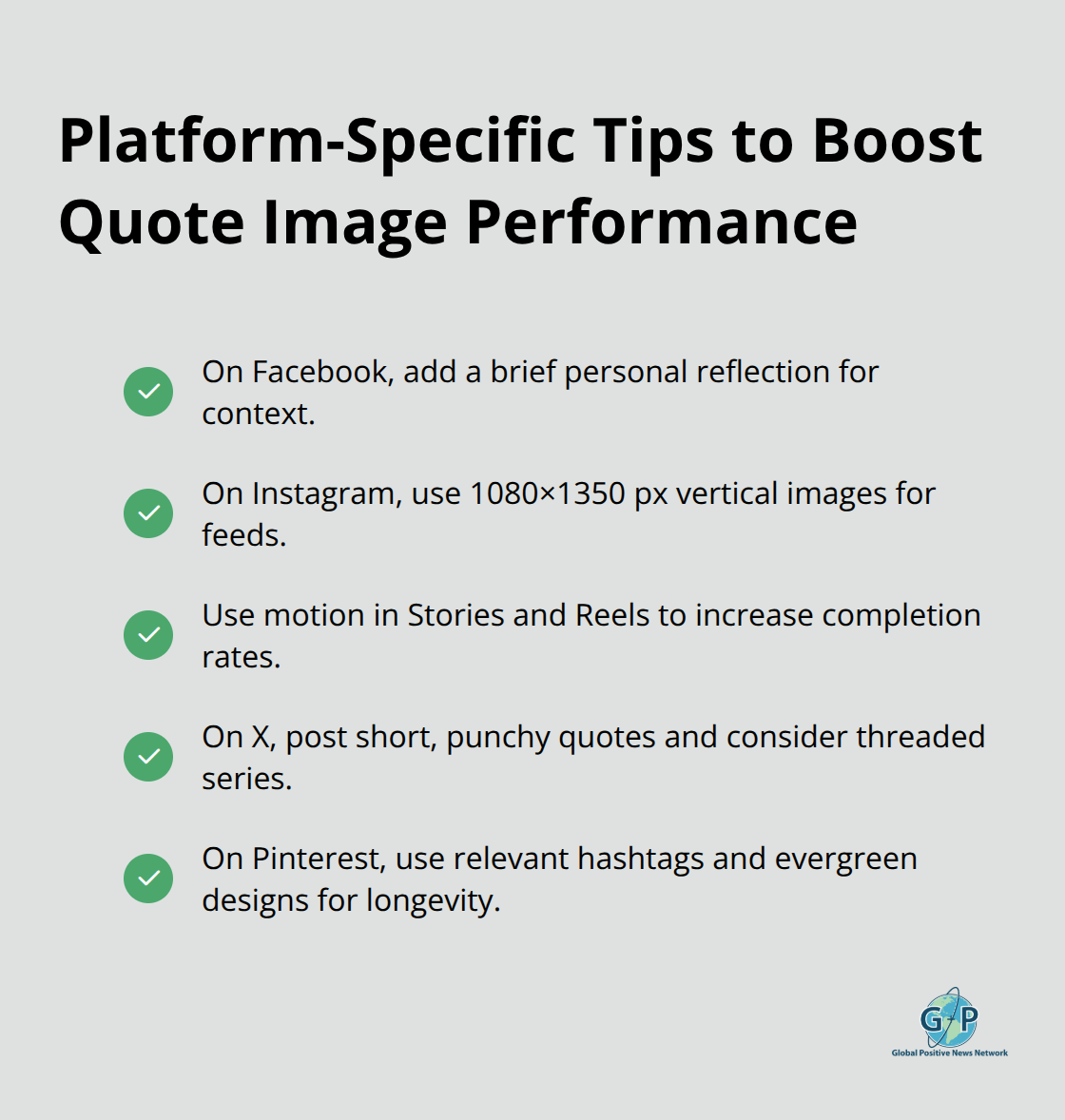
X users prefer short, punchy quotes that fit the platform’s fast-paced nature, and quote threads perform exceptionally well-post a series of related quotes in one thread rather than spacing them across multiple days.
Organize Collections Around Emotions and Situations
Themed collections transform scattered images into a genuine inspiration resource you actually use. Organize your image library by emotion or situation-create a collection for motivation when facing challenges, another for self-love on difficult days, and a third for celebrating wins. Assign 5-10 images to each collection so you have options without overwhelming yourself with choices. This structure makes it simple to pull the right visual when you need it most.
Pair Images With Personal Stories for Real Connection
Quote images multiply in impact when you combine them with personal stories. Share the specific moment a quote changed your thinking, or explain how you applied its message to a real problem you faced (this transforms generic inspiration into relatable guidance that resonates far deeper than the image alone). Readers connect with your experience, not just the beautiful graphic. Test this approach by pairing one quote image with a 2-3 sentence personal reflection and measure engagement against posts where you share the image without context. The data consistently shows that authentic storytelling attached to quote images drives saves, shares, and meaningful comments rather than passive scrolls.
Final Thoughts
Finding positive life quote images that genuinely inspire you requires knowing where to look, evaluating ruthlessly, and organizing your collection by emotion. Start with free platforms like Unsplash and Pexels for budget-friendly options, premium libraries like iStock when you need exclusivity, and Pinterest for discovering what resonates with real audiences. Then check resolution standards, verify quote attribution, and match visual style to message before adding images to your personal library.
Visual inspiration rewires how you approach difficult moments because your brain processes images paired with personal stories differently than text alone. When you encounter a positive life quote image combined with a story about someone overcoming a similar challenge, you see possibility instead of obstacle. This shift in perspective compounds over time as daily exposure to carefully selected images gradually reshapes your default mindset from defensive to hopeful.
Building your personal library takes effort upfront but pays dividends for months as you tag images clearly and find exactly what you need when motivation dips. Visit Global Positive News Network to explore uplifting stories and community impact that remind you why hope matters. Your collection of positive images combined with real stories creates a foundation for lasting mindset change.
Having a hard day?
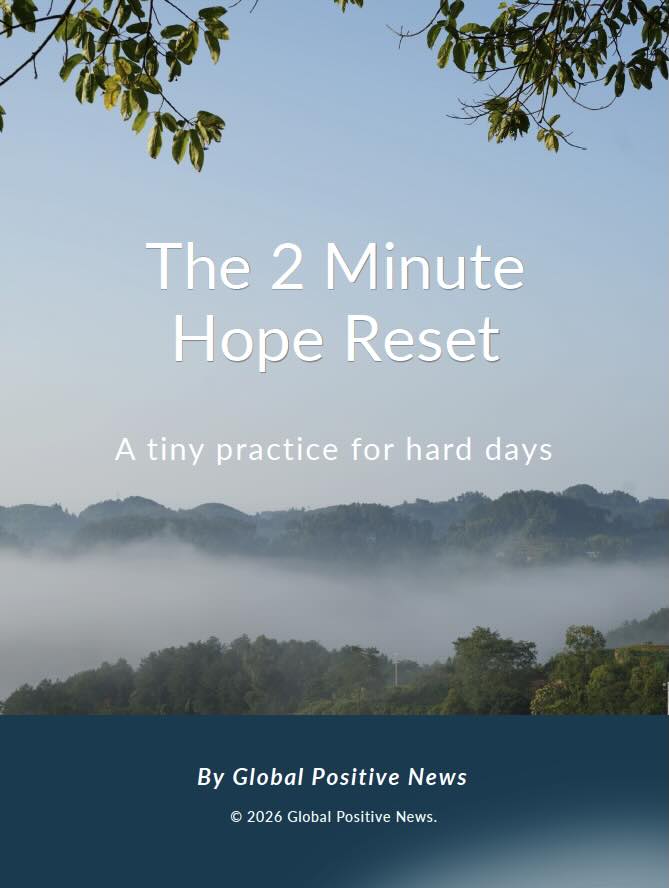
The 2 Minute Hope Reset is a short free guide with three small practices for the days that feel heavy. Two minutes each, nothing to keep up with.
Get the free guideExplore more positive news:
Enjoying stories like this?
Global Positive News Network is reader-supported. If you’d like to support the mission, you can visit the Official GPNN store.