

At Global Positive News Network, we’re excited to explore the meaning of positive vibes and their impact on our lives.
Positive vibes are more than just a feel-good phrase; they’re a powerful force that can transform our mental and emotional well-being.
In this post, we’ll uncover the science behind these uplifting energies and provide practical ways to cultivate them in your daily routine.
The Brain’s Positive Vibes Factory
The Neuroscience of Happiness
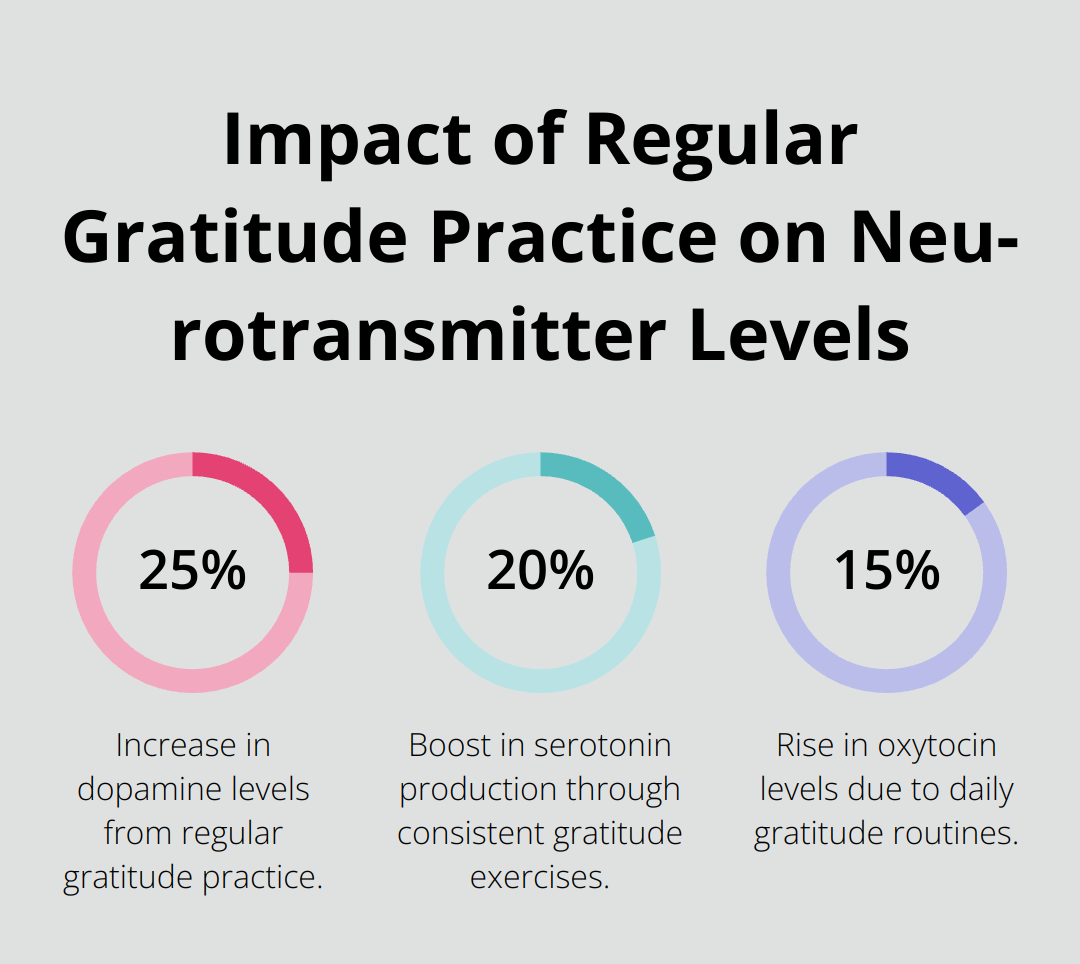
Positive vibes have a solid foundation in our brain’s complex chemistry. Our brains constantly produce chemicals that influence our mood. When we experience positive vibes, neurotransmitters like dopamine, serotonin, and oxytocin flood our neural pathways. These “feel-good” chemicals are implicated in the experience of pleasure, reward, and other positive emotions.
A study from the University of California, Berkeley revealed that people who regularly practice gratitude have higher levels of these neurotransmitters. This finding suggests that we can actively influence our brain’s chemistry through simple daily practices.
Rewiring for Positivity
Neuroplasticity plays a crucial role in cultivating positive vibes. Key brain systems involved in emotional reactivity and regulation have been identified through neuroimaging studies, along with their proposed function and the environmental factors that influence them.
Research shows that after just eight weeks of mindfulness practice, participants experienced increased activity in the left prefrontal cortex – an area linked to happiness and optimism.
The Ripple Effect of Positive Thinking
Positive thinking doesn’t just make us feel good momentarily; it has far-reaching effects on our overall well-being. A landmark study by Dr. Barbara Fredrickson at the University of North Carolina found that positive emotions expand our awareness and build enduring personal resources.
This “broaden-and-build” theory explains why people who maintain a positive outlook often show greater resilience in face of challenges. They’re more likely to see opportunities where others see obstacles.
Physical Benefits of Positivity
The benefits of positive thinking extend beyond mental health. Research published in the journal Psychological Science reveals that optimistic people have healthier cardiovascular systems and stronger immune responses.
Practical Steps to Boost Positivity
Understanding the science behind positive vibes empowers us to take proactive steps to boost our mental and physical health. We can shape our brain’s chemistry and, consequently, our life experiences through various methods:
- Gratitude practices (e.g., keeping a gratitude journal)
- Regular meditation or mindfulness exercises
- Focusing on positive aspects of situations
- Engaging in activities that bring joy and fulfillment
As we explore these scientifically-backed methods to cultivate positive vibes, let’s now turn our attention to how these uplifting energies impact our mental health in profound ways.
How Positive Vibes Transform Mental Health
Stress and Anxiety Reduction
Positive vibes significantly impact our mental health. They don’t just create momentary good feelings; they lead to substantial improvements in overall well-being.
One of the most notable benefits of positive vibes is the reduction in stress and anxiety levels. A study published in the Journal of Personality and Social Psychology revealed that individuals with a positive outlook experienced lower levels of cortisol (the stress hormone) even in challenging situations.
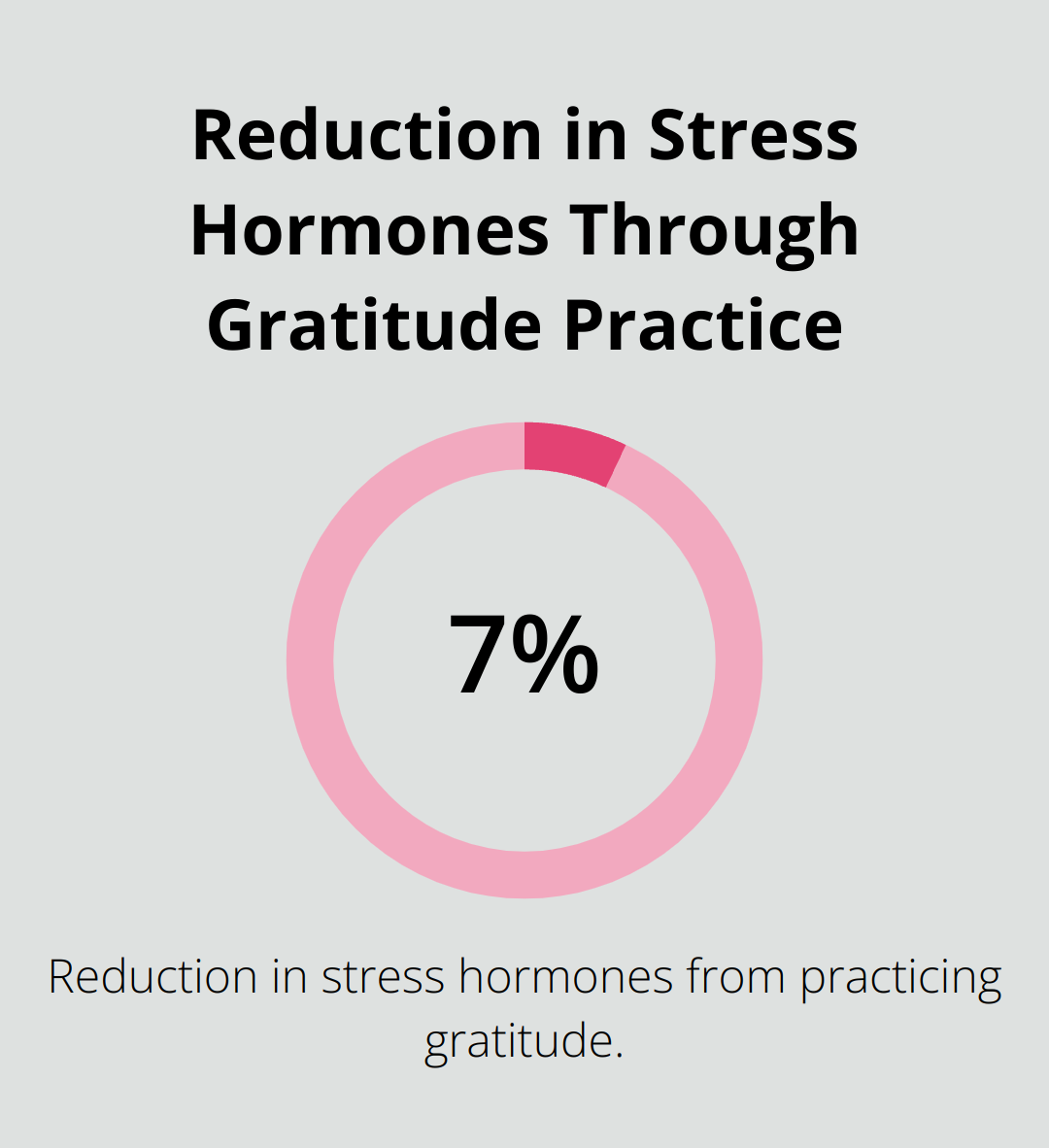
Dr. Robert Emmons, a leading gratitude researcher, found that practicing gratitude led to a 7-percent reduction in stress hormones. This decrease in stress hormones can improve sleep, enhance digestion, and strengthen the immune system.
Building Resilience
Positive vibes play a key role in developing resilience – our ability to recover from adversity. Research from the University of North Carolina indicates that people who experience positive emotions more likely find meaning in negative events and recover more quickly from setbacks.
The “Three Good Things” exercise offers a practical way to build resilience. Each night, write down three positive experiences from your day. This simple practice increases happiness and decreases depressive symptoms for up to six months.
Mood Enhancement and Life Satisfaction
The impact of positive vibes extends to overall mood and life satisfaction. A long-term study by the Harvard T.H. Chan School of Public Health found that optimistic individuals were 50-70% more likely to reach 85 years of age compared to their less optimistic peers.
To boost your mood, try to incorporate acts of kindness into your daily routine. A study in the journal Emotion showed that performing just one kind act per day for seven days significantly increased happiness levels.
The Power of Positive News
Exposure to positive news can uplift spirits and improve mental health. Curated stories of triumph and kindness serve as a daily dose of positivity, helping readers maintain an optimistic outlook even in challenging times.
Practical Steps for Cultivating Positivity
Science clearly shows that positivity isn’t just a feel-good concept; it’s a powerful tool for transforming our mental landscape and creating a more fulfilling life experience. Try these practical steps to cultivate positive vibes:
- Practice gratitude daily (e.g., keep a gratitude journal)
- Engage in regular meditation or mindfulness exercises
- Focus on positive aspects of situations
- Surround yourself with supportive people
- Engage in activities that bring joy and fulfillment
As we explore the transformative power of positive vibes on mental health, let’s now turn our attention to practical ways we can cultivate these uplifting energies in our daily lives.
How to Cultivate Positive Vibes Daily
Start Your Day with Gratitude
Begin each morning by listing three things you appreciate. This simple practice can shift your focus towards positivity right from the start. Regular grateful thinking can increase happiness by as much as 25 percent, while keeping a gratitude journal for as little as three weeks can have significant positive effects.
Practice Mindfulness
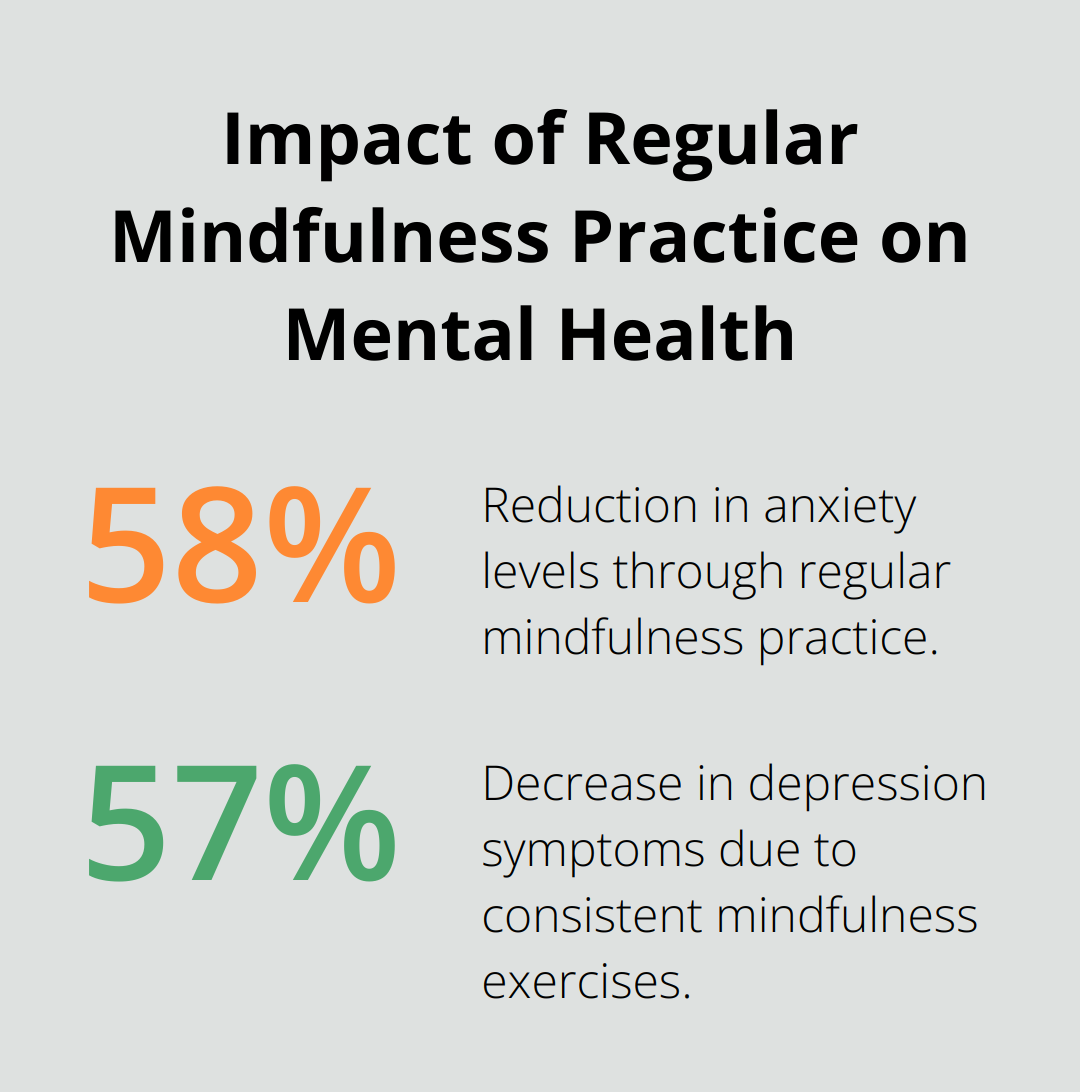
Add short mindfulness exercises to your daily routine. A 5-minute meditation during your lunch break can make a difference. Harvard Medical School research shows that regular mindfulness practice can reduce anxiety by 58% and depression by 57%.
Surround Yourself with Positivity
The people we interact with significantly influence our mood and outlook. A BMJ study found that people who are surrounded by many happy people and those who are central in the network are more likely to become happy in the future. Seek out relationships that uplift and inspire you.
Try joining positive online communities or following uplifting social media accounts. (Global Positive News Network’s platform offers daily doses of inspiring stories and positive content.)
Engage in Joyful Activities
Make time for activities that bring you genuine happiness. Whether it’s gardening, painting, or playing with your pet, these moments of joy can boost your mood and overall life satisfaction. The Journal of Positive Psychology reports that engaging in a creative activity just once a day can lead to a more positive state of mind.
Use Positive Self-Talk
Pay attention to your inner dialogue. Replace negative self-talk with positive affirmations. University of Pennsylvania research shows that positive self-talk can improve self-confidence and reduce stress levels.
Try this: Every time you look in the mirror, give yourself a compliment. It might feel awkward at first, but consistency is key. After 30 days, you’ll likely notice a significant boost in your self-esteem.
Create a Positivity Playlist
Music has a powerful effect on our emotions. Curate a playlist of songs that make you feel happy and energized. The Journal of Positive Psychology found that listening to upbeat music can improve mood in just two weeks.
Perform Random Acts of Kindness
Doing something kind for others not only brightens their day but also boosts your own happiness. A University of Oxford study found that acts of kindness can increase life satisfaction by 10%.
Challenge yourself to perform one random act of kindness each day. It could be as simple as leaving a positive note for a coworker or helping a neighbor with their groceries.
(These practices can create a positive ripple effect that enhances not only your life but also the lives of those around you.)
Final Thoughts
Positive vibes transform our mental and emotional well-being, backed by scientific research. These uplifting energies reduce stress, build resilience, and enhance overall mood and life satisfaction. The meaning of positive vibes extends beyond a feel-good concept to a powerful force with tangible benefits for health and happiness.
Simple practices like gratitude journaling, mindfulness exercises, and acts of kindness can rewire our brains for positivity. These practices create a ripple effect of good vibes in our lives and the lives of those around us. Consistency in these small, daily choices will shift your outlook on life and contribute to a more positive world.
For daily inspiration and uplifting stories, explore more content on Global Positive News Network. Our platform shares stories of triumph, kindness, and community impact (all curated to help maintain an optimistic outlook). Let’s spread good vibes and make the world a brighter place, one positive thought at a time.
Having a hard day?
The 2 Minute Hope Reset is a short free guide with three small practices for the days that feel heavy. Two minutes each, nothing to keep up with.
Get the free guideExplore more positive news:
Enjoying stories like this?
Global Positive News Network is reader-supported. If you’d like to support the mission, you can visit the Official GPNN store.